Woman Cooling Herself by Utagawa Toyohiro
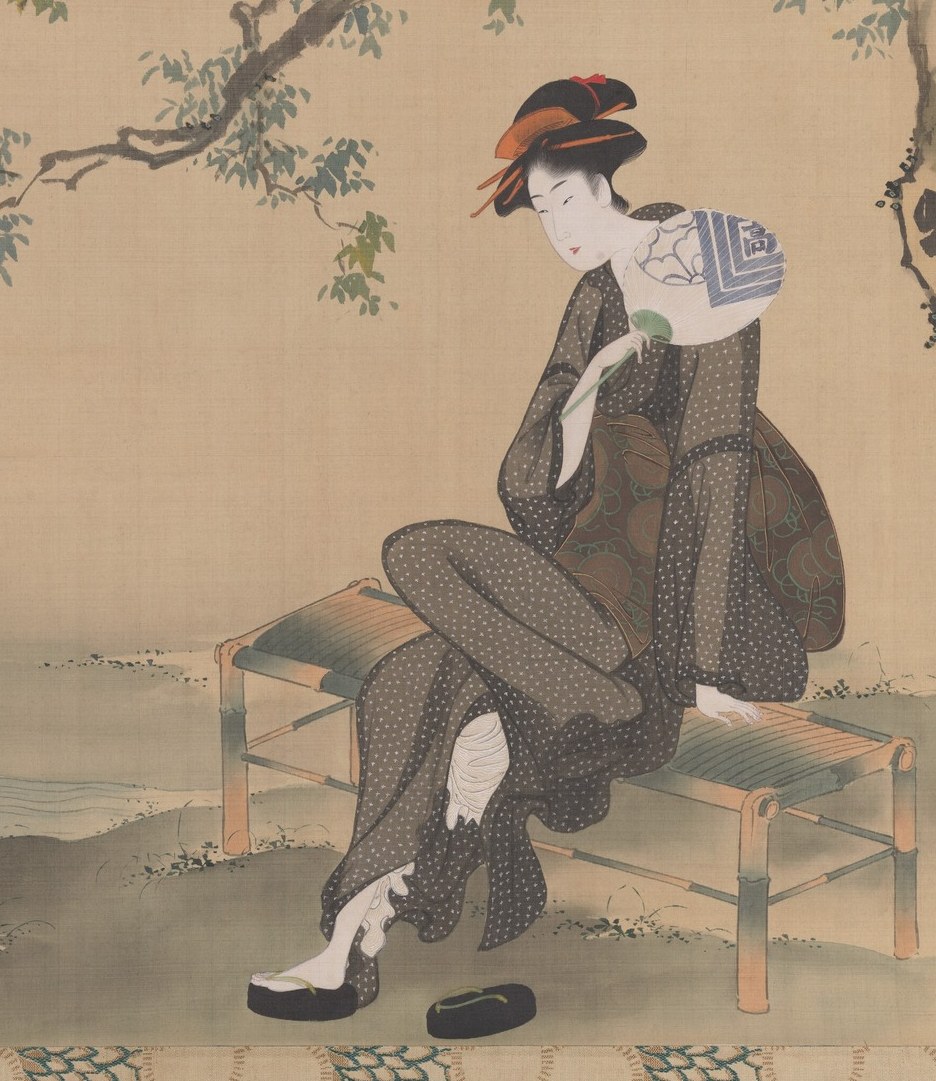
Utagawa Toyohiro's "Woman Cooling Herself," painted in 1800 and housed at The Metropolitan Museum of Art, is more than just a depiction of daily life; it's a beautifully composed ode to summer and tranquility.
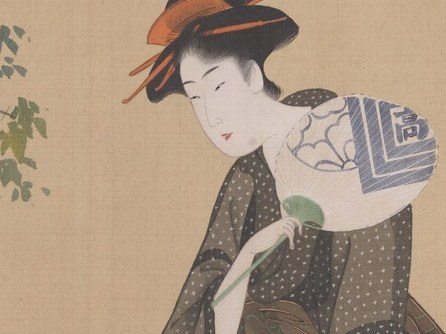
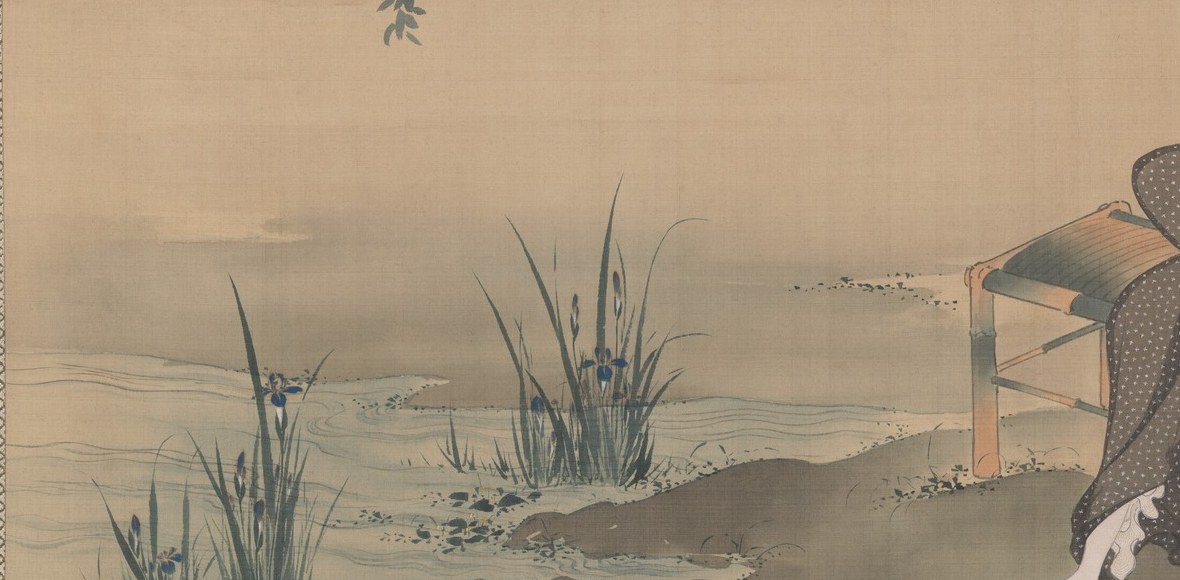
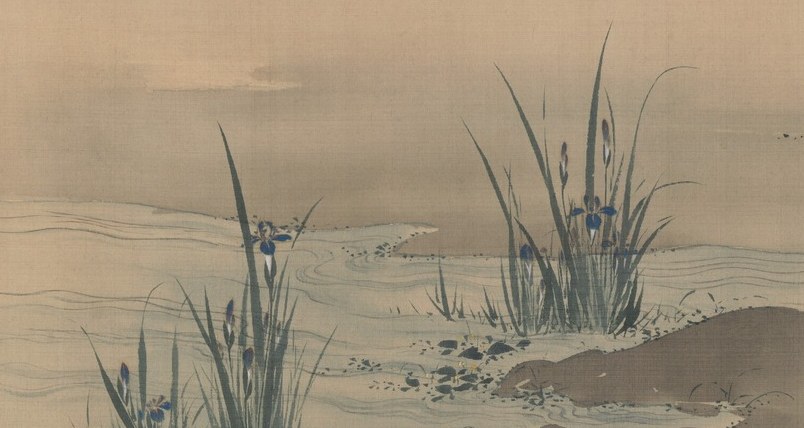
Observe the details: the intricate hand fan, a classic symbol of summer in Japanese art, and the gently flowing stream, which reinforces the feeling of coolness and peace. Even the reeds and irises by the water are traditionally associated with the summer season.
Toyohiro (Japanese, 1763-1828) used subtle colors and elegant brushstrokes to create this contemplative atmosphere. This ukiyo-e print master, though less famous than some contemporaries, skillfully captured everyday moments with understated elegance.
This painting invites us to pause, breathe, and find our own moments of serene escape. What details make you feel a sense of calm?
Details
Transcript
This 1800 painting shows a moment of summer calm. Her hand fan, in Japanese art, symbolizes summer and refreshment. The gently flowing stream reinforces the idea of tranquility and cooling. Reeds and irises by the water are traditional symbols of summer. The entire image captures a perfect moment of serene escape from heat. The artist's red seal marks this peaceful scene by Toyohiro.