River View in Winter by Aert van der Neer
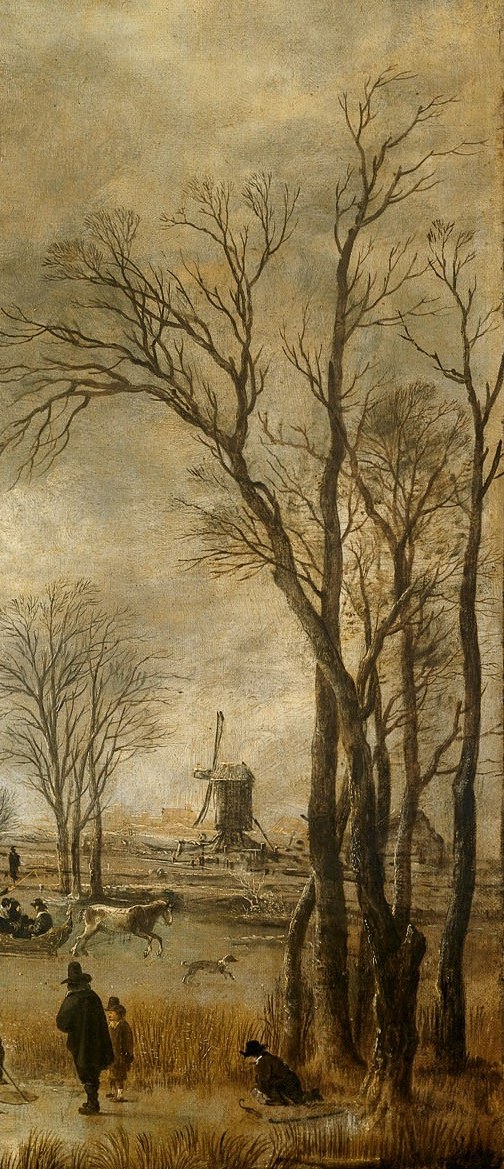
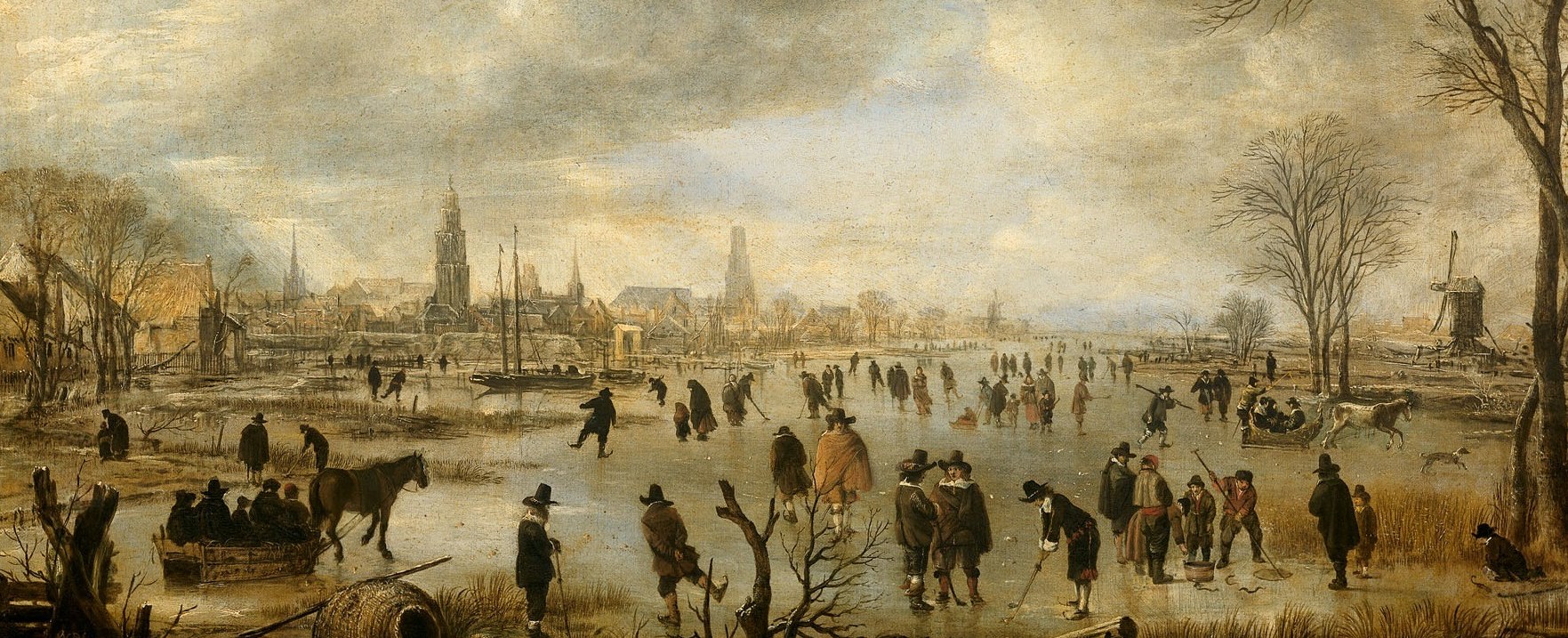
Aert van der Neer painted small, astonishingly detailed winter landscapes during the Dutch Golden Age, and this one, River View in Winter from 1657, lives at the Rijksmuseum. At first glance it is a classic festive ice scene, the kind the period is famous for, with dozens of tiny figures skating and walking across a frozen river.
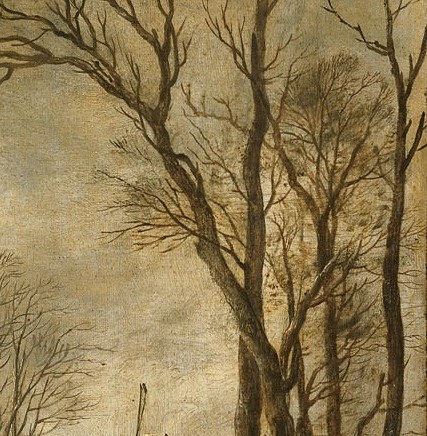
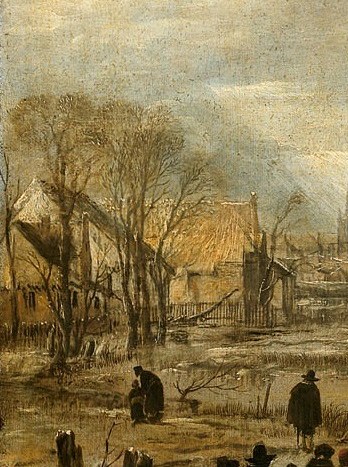
The painting rewards a slower look. Behind the tall bare trees on the right bank, a windmill stands hidden in plain sight, a quintessential marker of the Dutch landscape. On the left, dark-hulled boats sit immobilized in the ice near the shore. The river was a commercial artery, and the freeze brought trade to a halt.
Van der Neer specialized in these moonlit and winter scenes, yet he lived and died in comparative obscurity. His contemporary Aelbert Cuyp found fame, but van der Neer's work slipped through the cracks of the market. He kept painting anyway, recording quiet truths about how water, sky, and people meet when the temperature drops.
The skaters take the spotlight, but the windmill and the frozen boats tell the deeper story: a working world paused, momentarily transformed into a place of pure play.
Details
Transcript
A perfect Dutch winter day, frozen in 1657. The whole town seems to have poured onto the river. But look past the skaters, toward the right bank. Bare branches hide an unmistakable silhouette. Now scan the left shore, by the snow-covered bank. Dark hulls, locked solid in the ice. This was a working river. Trade paused so the people could play.