Phoebe Cassidy Freeman (Mrs. Clarkson Freeman) by Eichholtz, Jacob
This portrait of Phoebe Cassidy Freeman (Mrs. Clarkson Freeman), painted by Jacob Eichholtz around 1830, offers a glimpse into early 19th-century American society and art, currently housed in a private collection.
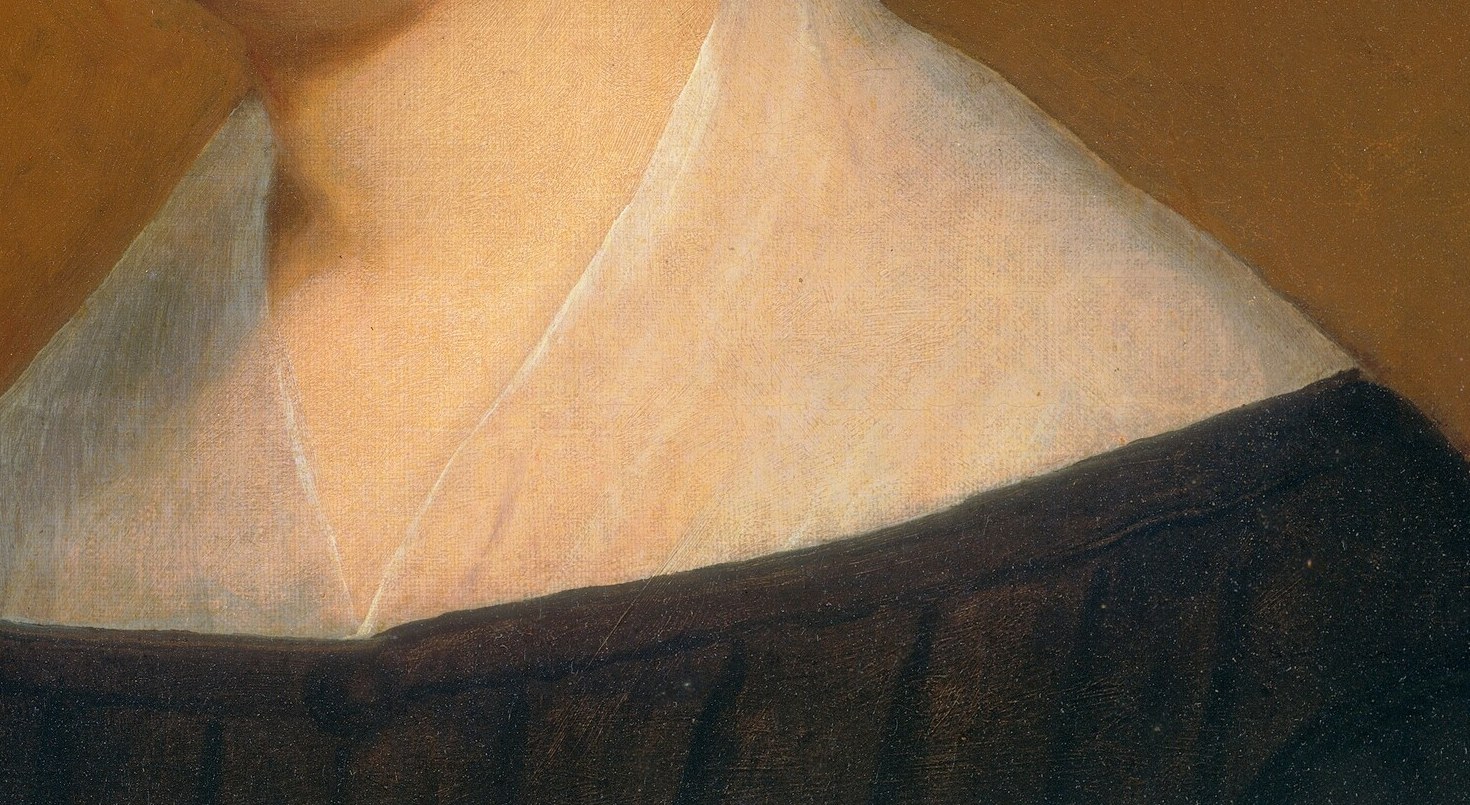
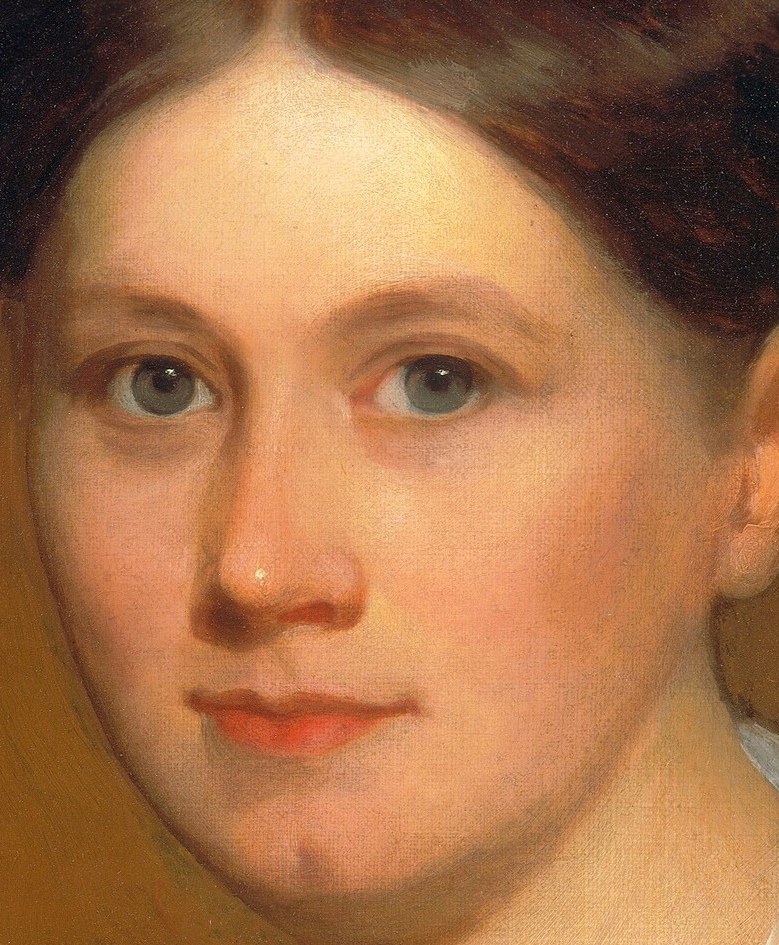
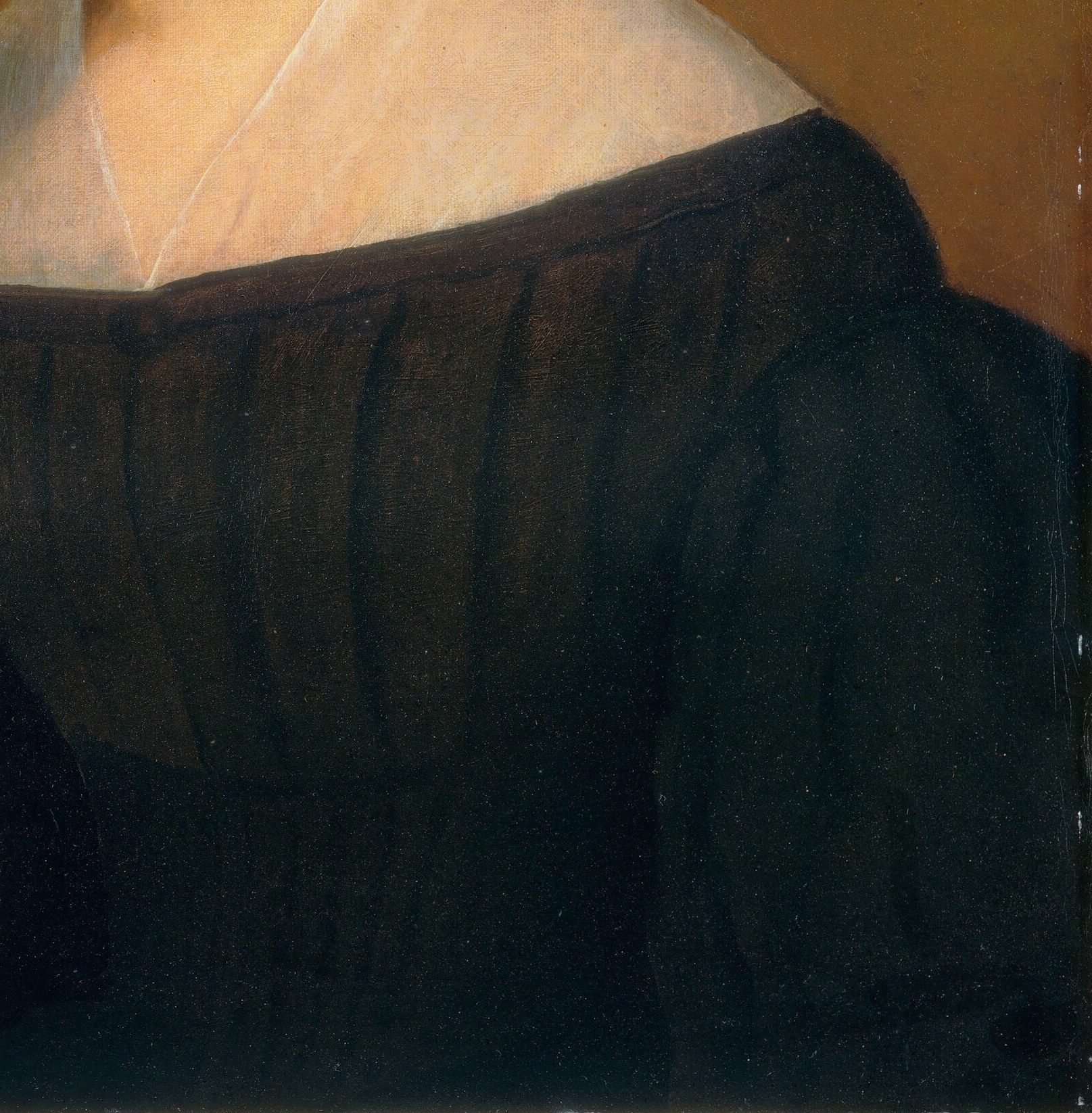
Eichholtz, known for his portraits of Pennsylvania's elite, masterfully renders Mrs. Freeman's elegant attire and composed expression. Notice the crisp white collar, a fashionable element that draws attention to her face, and the subtle interplay of light and shadow that gives her features depth.
Created as a private commission, this oil on canvas work served to convey the sitter's personal dignity and social standing, a common practice among affluent households of the time. The painting has remained a notable example of Eichholtz's realistic approach to portraiture.
What details in her expression or attire do you find most striking?
Details
Transcript
In 1830, this portrait was a symbol of social standing. Look at the crisp white collar, a fashionable detail then. The painter, Jacob Eichholtz, captured her serene dignity. His fine brushwork creates subtle shadows and light on her face. Her direct gaze was typical for portraits of the era. Such a commission established the family's place in society.