Portrait of a Clergyman (Johann Dorsch?) by Dürer, Albrecht
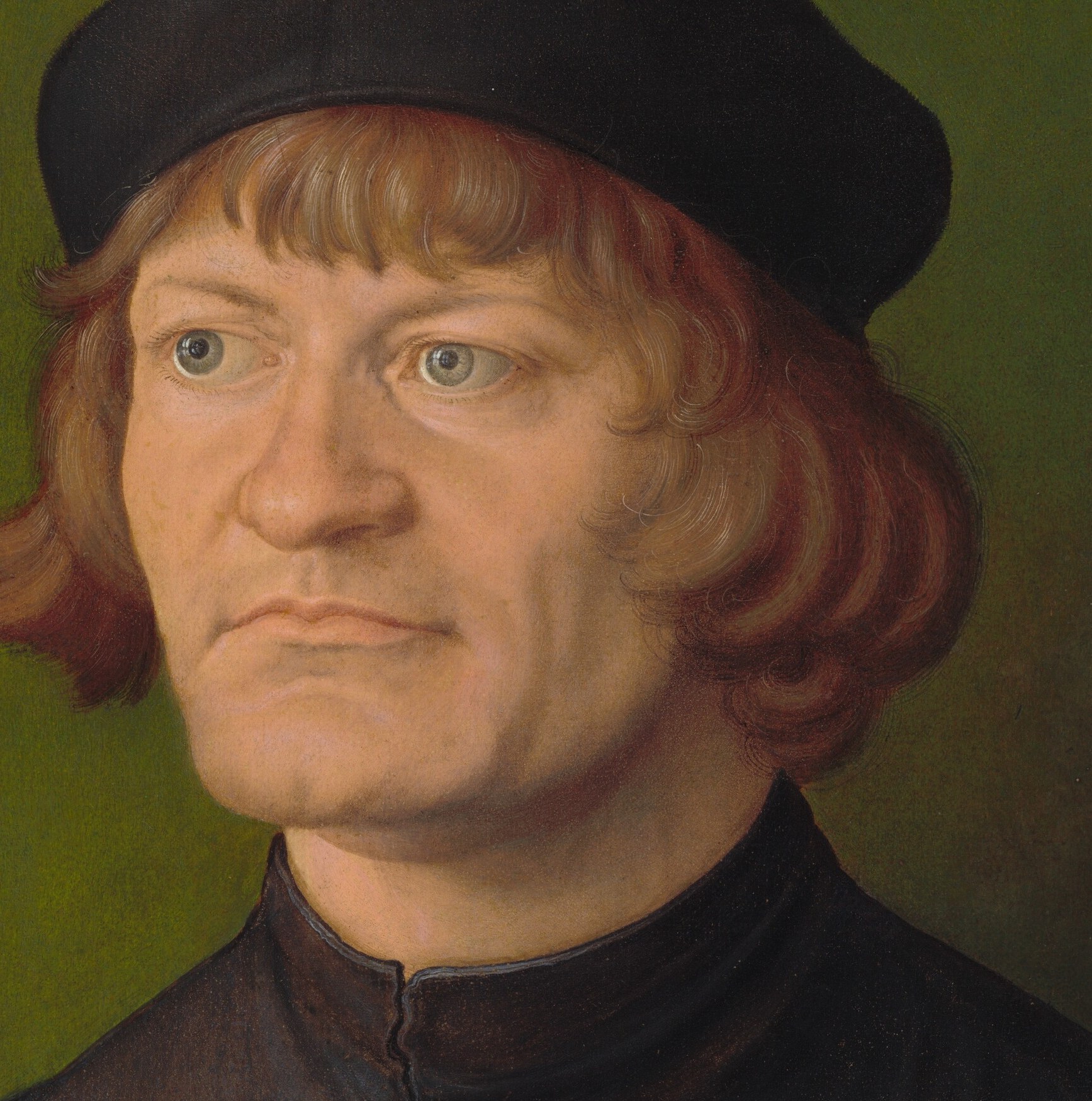
Albrecht Dürer's "Portrait of a Clergyman (Johann Dorsch?)" from 1516 hangs in Washington's National Gallery. It is a portrait of quiet exhaustion. The sitter's identity remains uncertain, but the emotional state Dürer captured is unmistakable.
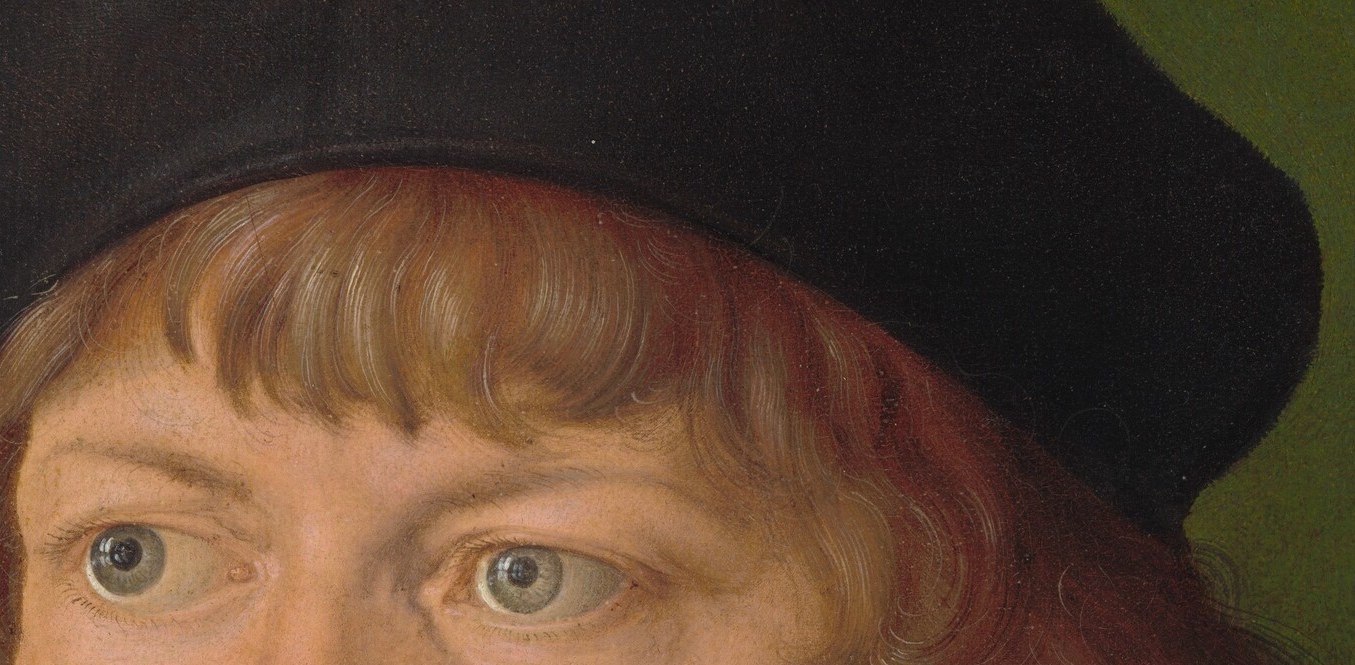
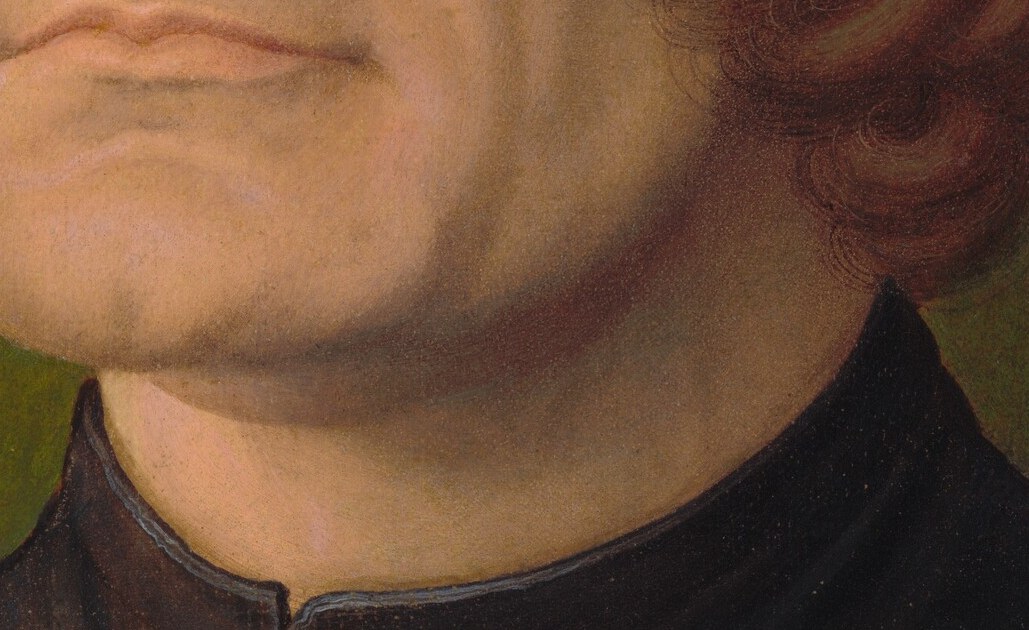
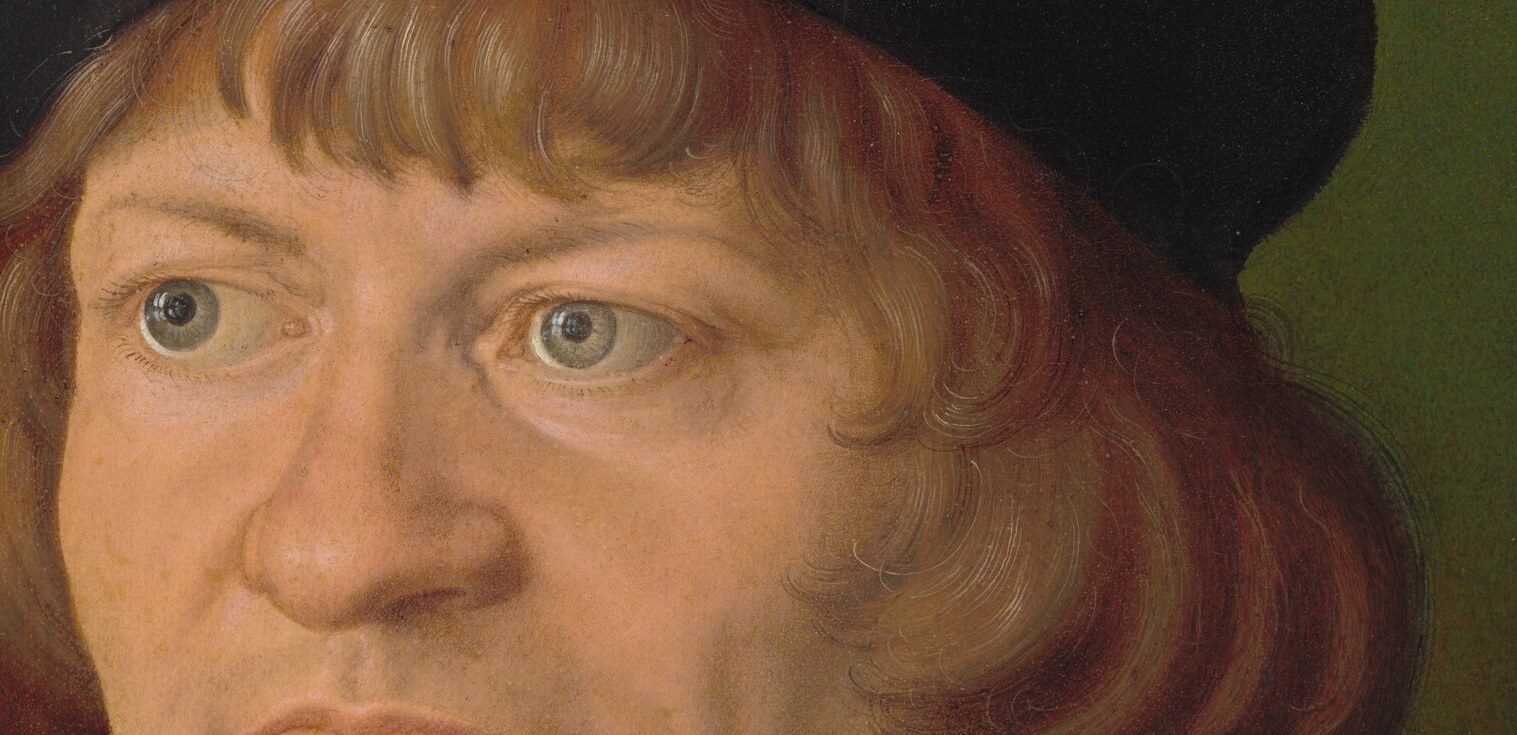
Look first at the set mouth: firm, controlled, a man used to holding his peace. Then let your eyes rise to his. The gaze is steady, but ringed with a profound weariness. Dürer gives us two emotional signals in one face, and the space between them is where the humanity lives.
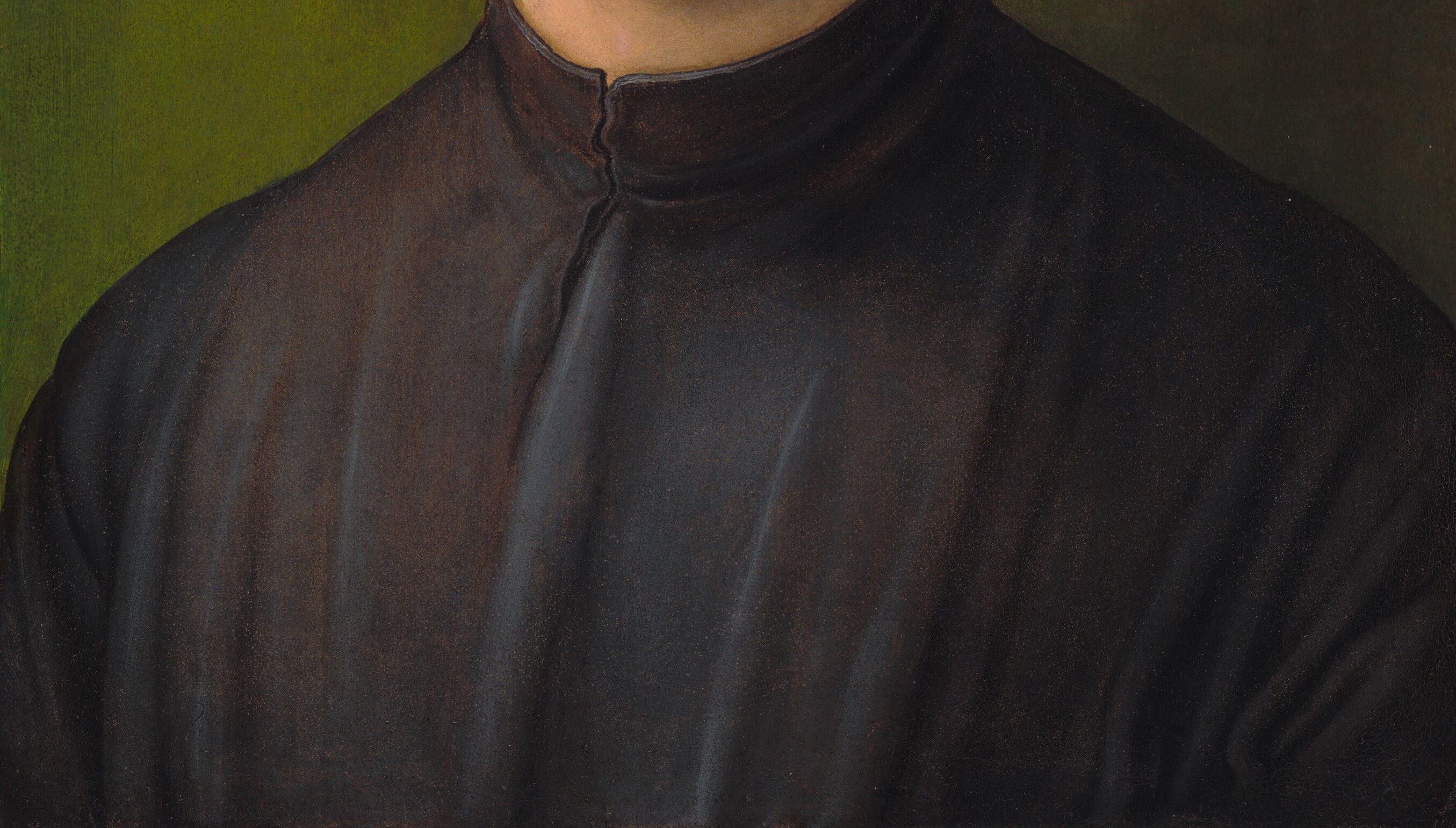
Dürer painted this on an unusual support, oil on parchment, later mounted on fabric. The delicate surface allowed him to build up thin, translucent glazes, rendering the softness of aging skin and the individual hairs of the beard with unnerving precision. The dark mass of the clerical robes and the flat black biretta press down, pushing your eye relentlessly back to the illuminated face. There is nowhere to hide in this picture.
By 1516, Dürer was a master of Northern Europe, but he had recently stepped back from large oil commissions to focus on the intense private work of copper engraving. This small, intimate portrait feels like it belongs to that same inward turn. It is less a public statement of rank than a private record of a soul.
What weight do you think this man was carrying in 1516?
Details
Transcript
In 1516, a clergyman sat for Albrecht Dürer. Dürer painted him on parchment, not canvas. A fragile skin, mounted on cloth to survive. His mouth is set with a resolve that costs him. But his eyes tell a different story. Steady, yes. But deeply weary. No one now knows his name for certain.