Christ and the Twelve Apostles by Taddeo di Bartolo
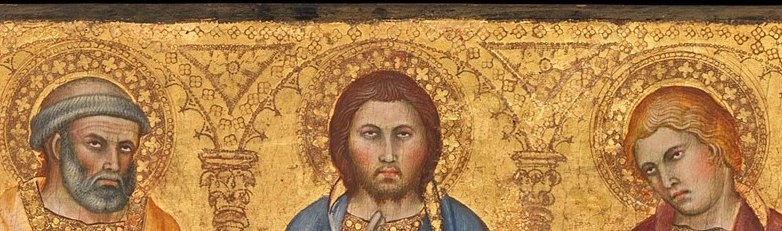
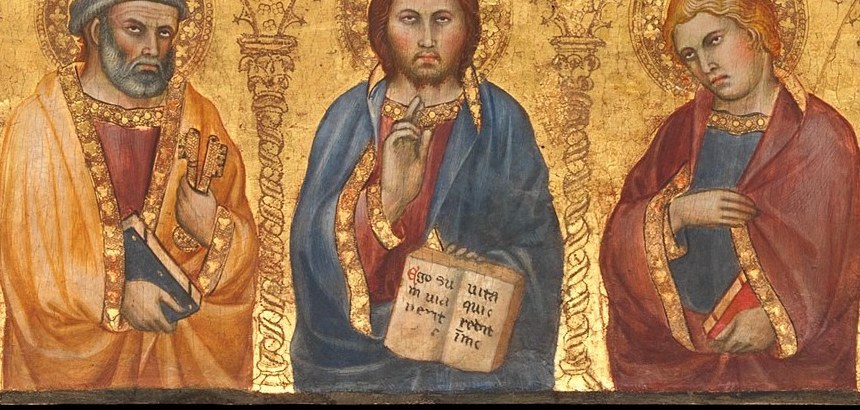
Taddeo di Bartolo's *Christ and the Twelve Apostles*, painted around 1400, showcases a quiet act of artistic individualism within a highly conventional Byzantine style. This tempera painting, now at The Metropolitan Museum of Art, depicts Christ at its center, distinguished by a golden robe and a youthful, beardless face.
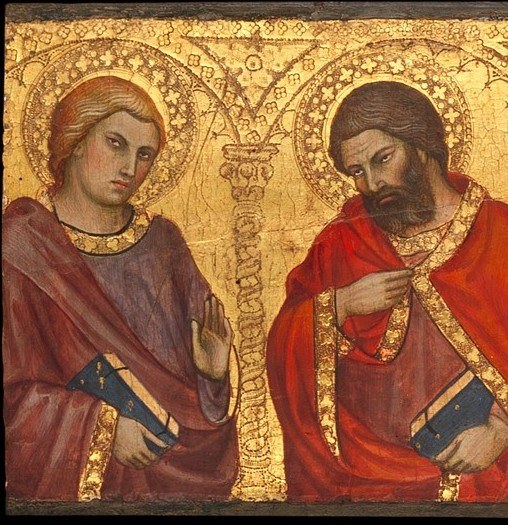
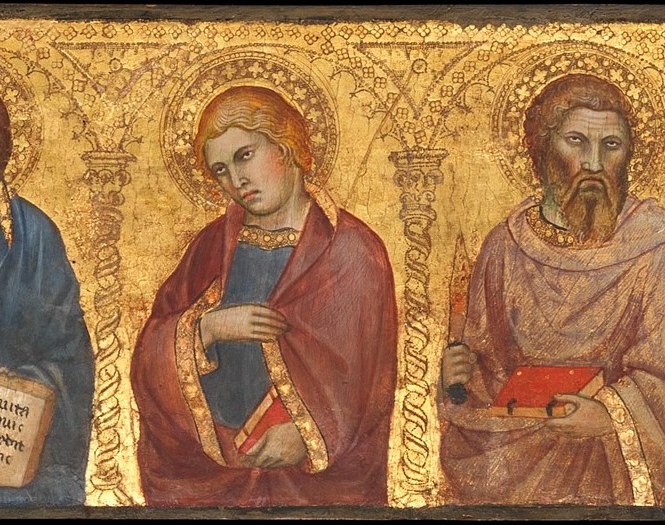
While the composition adheres to a rigid format, the artist took care to individualize each of the twelve apostles. Look closely at their faces: each has a distinct beard length, skin tone, and subtle gaze, reflecting a humanist observation that pushes against the tradition of repetition.
Bartolo, an Italian painter of the Sienese School, created this work during the early Renaissance. His meticulous application of pigment and the use of a burnished gold leaf background create a reverent, timeless atmosphere, yet his subtle differentiations among the apostles bring a deeply human element to the divine subject.
It's a beautiful example of an artist leaving their mark in unexpected ways. What details do you notice first?
Details

Transcript
This painting follows a rigid, ancient tradition. Christ, un-bearded, stands at the center. His golden robe blends into the divine gold background. But each of the Twelve Apostles is a distinct person. The painter individuated every single face. A quiet human touch in a divine, timeless scene.