The Coronation of the Virgin by Lippi, Filippino
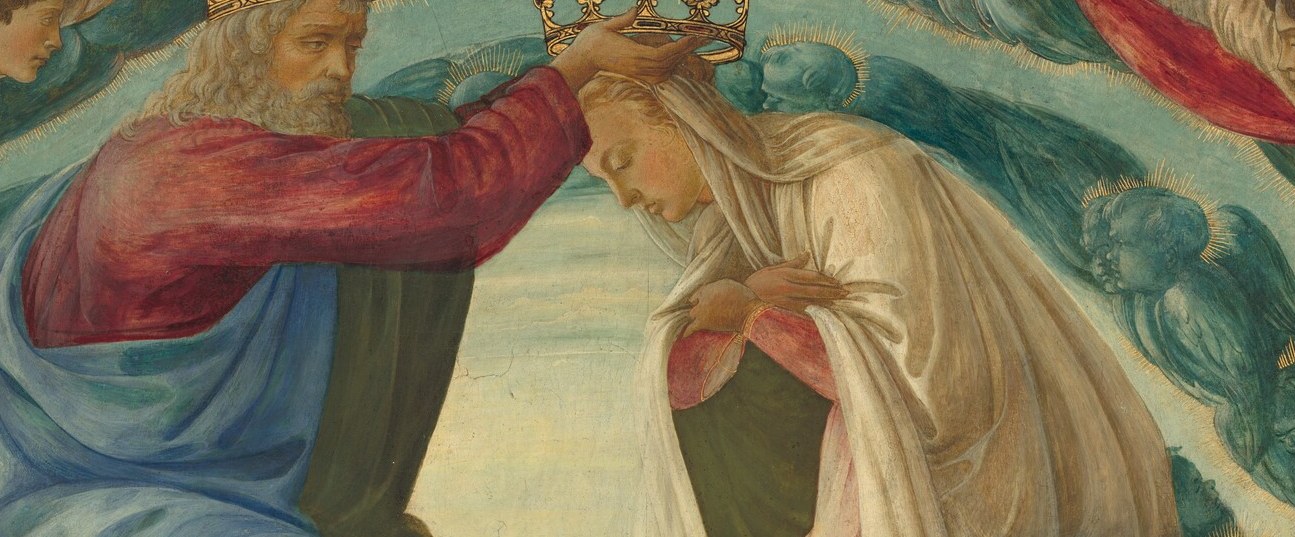
Filippino Lippi's "The Coronation of the Virgin," painted around 1475, offers a moment of profound humility and divine grace. This exquisite tempera and oil on poplar panel, housed in a private collection, showcases the artist's refined skill in depicting a central theme of Christian theology.
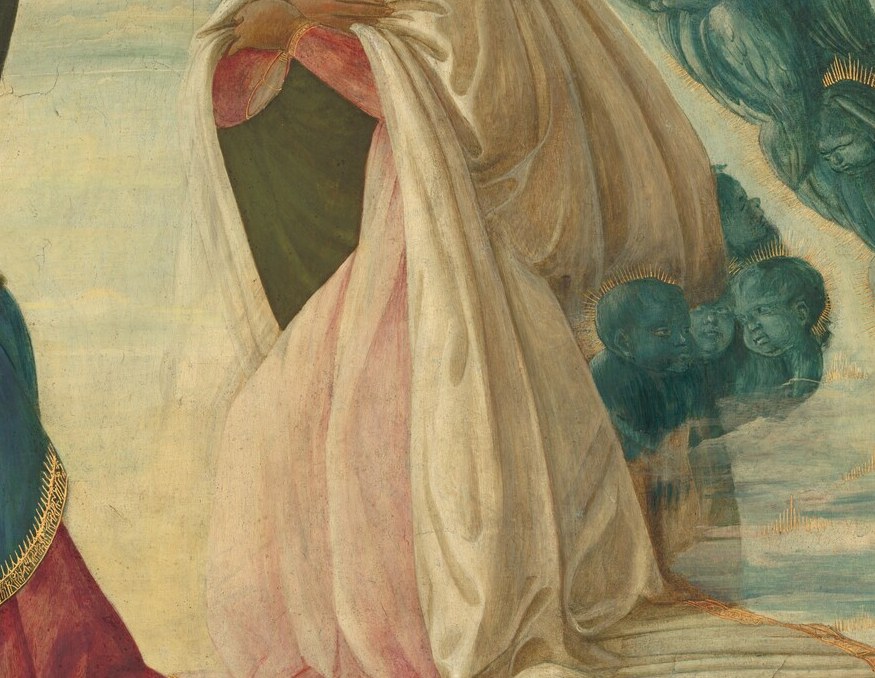
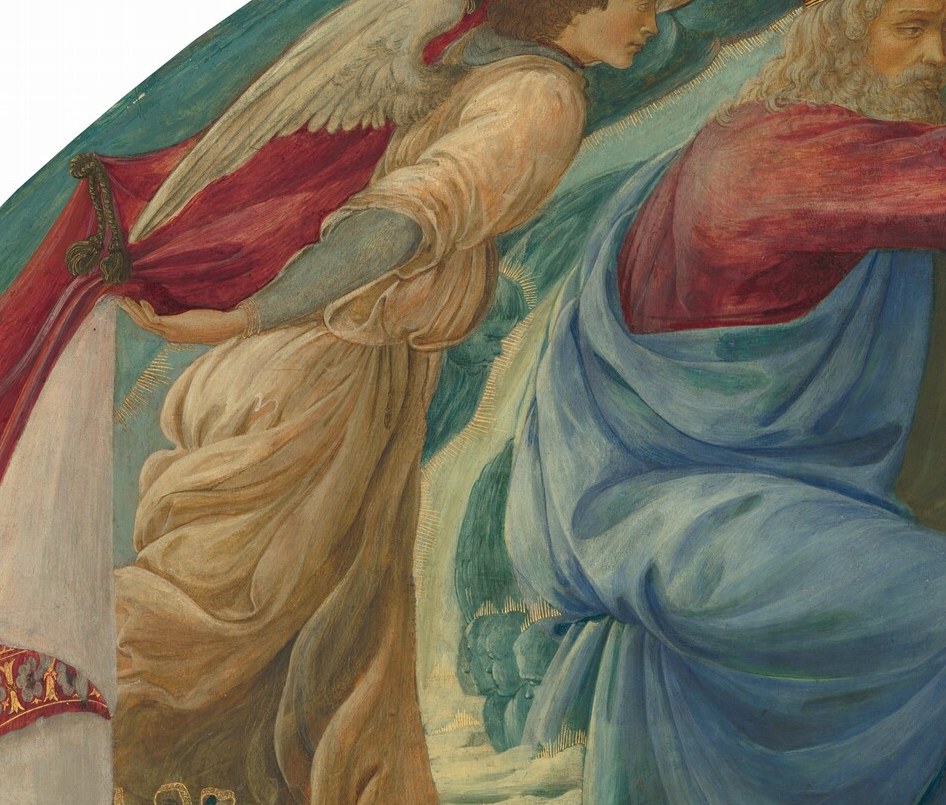
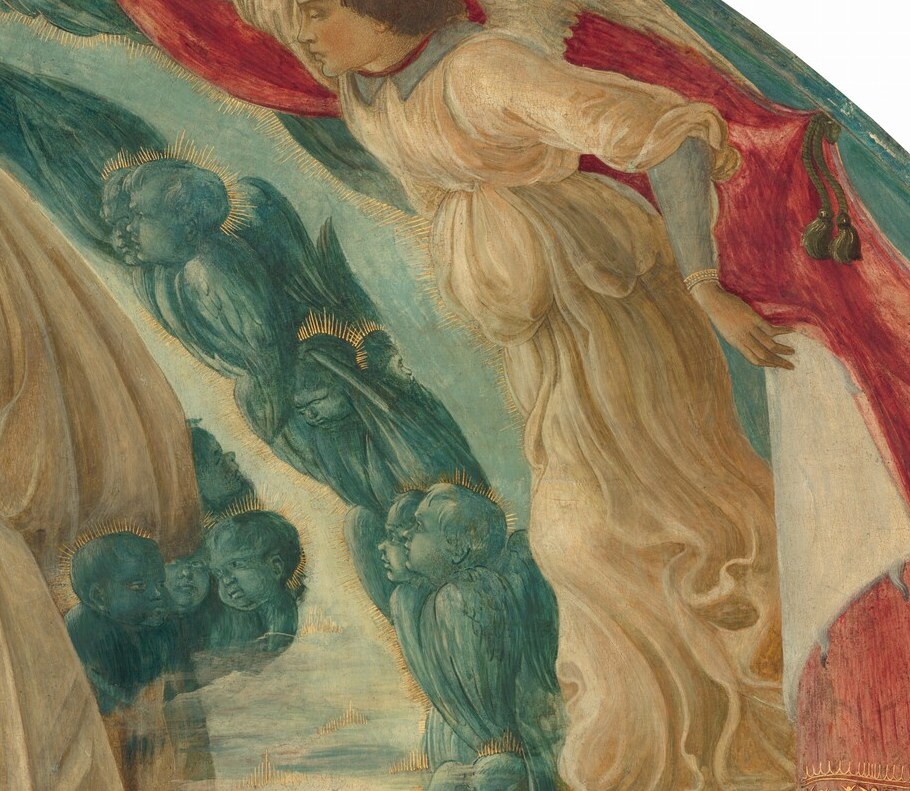
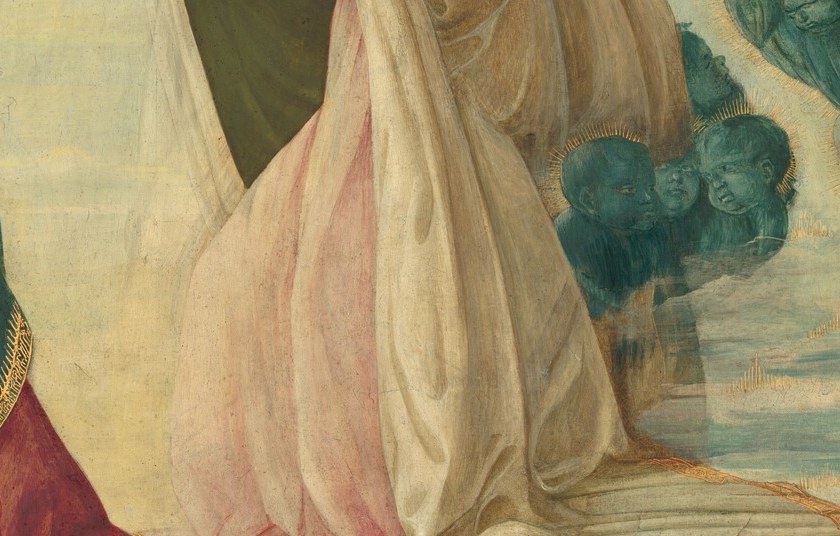
Observe Mary's gentle bow, a gesture of humble acceptance as she receives her crown. The surrounding angels mirror this reverence, their gazes fixed on the sacred exchange. Lippi's meticulous attention to detail is evident in the delicate drapery and ethereal background, creating an otherworldly atmosphere.
Born an orphan, Filippino Lippi’s artistic journey began after his father, the painter Filippo Lippi, passed away when he was just twelve. He honed his craft under the tutelage of Botticelli, eventually developing a distinctive style that garnered him significant acclaim in Renaissance Florence and beyond.
What emotions do you feel observing this serene and sacred scene?
Details
Transcript
Mary, receiving her crown, bows her head in humility. This painter, Filippino Lippi, was born an orphan. His artist father died when Lippi was only twelve years old. He learned to paint from Botticelli, then surpassed him. The angels gaze, witnessing her acceptance of divine will. Look closely at the delicate folds of her pink robe.