The Adoration of the Kings by Jacques Daret
Jacques Daret’s *The Adoration of the Kings* (c. 1430) is a rare surviving work by an artist whose well-documented life helped solve one of art history's great puzzles. This oil painting, part of the Gemäldegalerie Berlin's collection, depicts the traditional Nativity scene with meticulous detail.
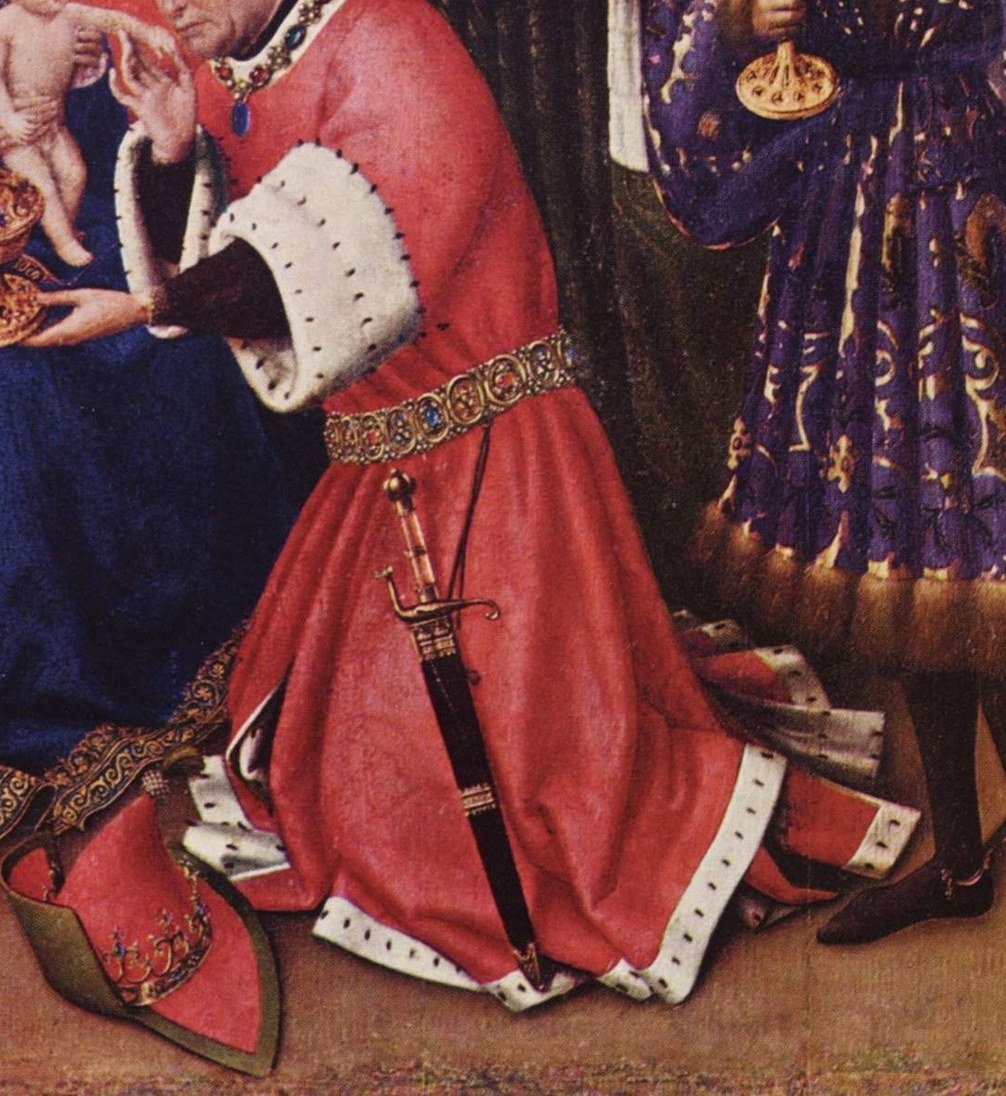
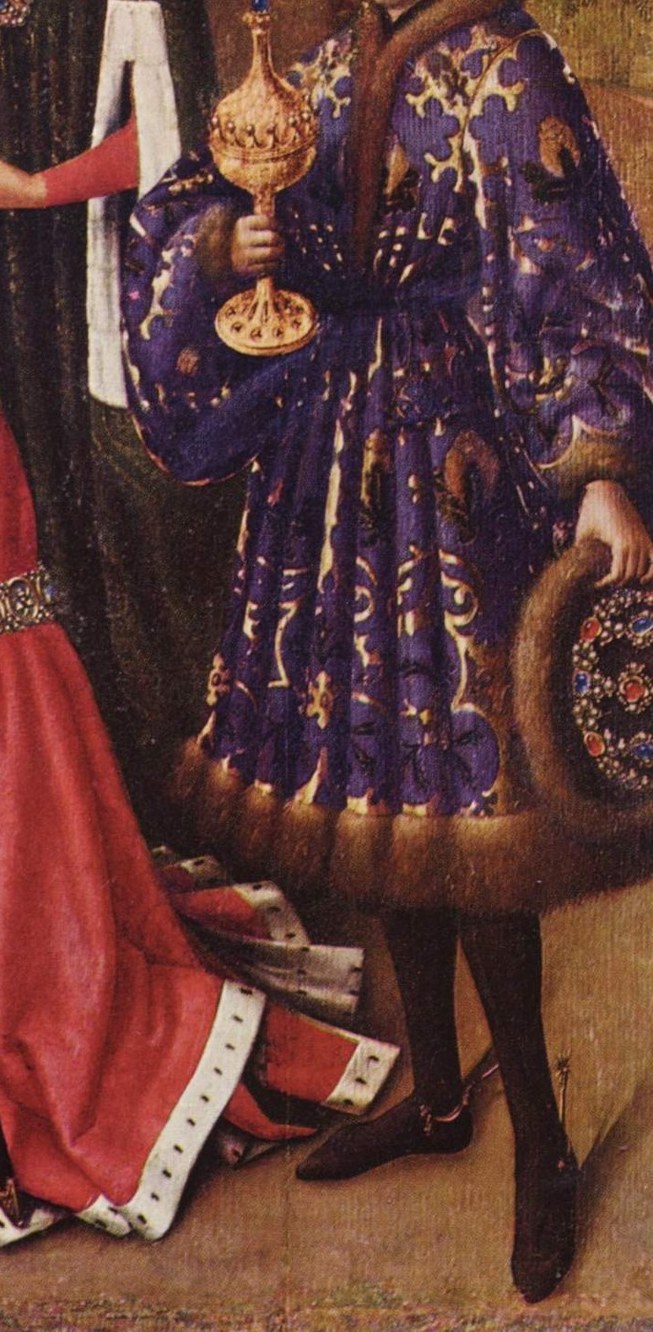
Look closely at the richly dressed kings and the humble shepherd. The careful rendering of textures, from the intricate patterns on their robes to the serene expression on Mary's face, reflects the Northern Renaissance's emphasis on realism.
Daret was a pupil of Robert Campin, an influential but once-anonymous artist known as the Master of Flémalle. Daret's extensive records, particularly those detailing his work for the Burgundian court and the abbot of St. Vaast, provided crucial evidence to link Campin's identity to the 'Master of Flémalle,' establishing a more complete understanding of early Netherlandish art.
This painting is not just a beautiful work, but a key piece in reconstructing the story of its artistic lineage. What details surprise you most?
Details
Transcript
This quiet painting has a secret, hidden in plain sight. Look at the kneeling king, offering his chalice. The artist, Jacques Daret, worked for the powerful Burgundian court. He studied in the studio of Robert Campin, a famous but anonymous master. Daret's detailed records helped identify Campin, solving a major art mystery. His few surviving paintings show the signature style of his master.