A Rose and Five Insects by Christoffel van den Berghe
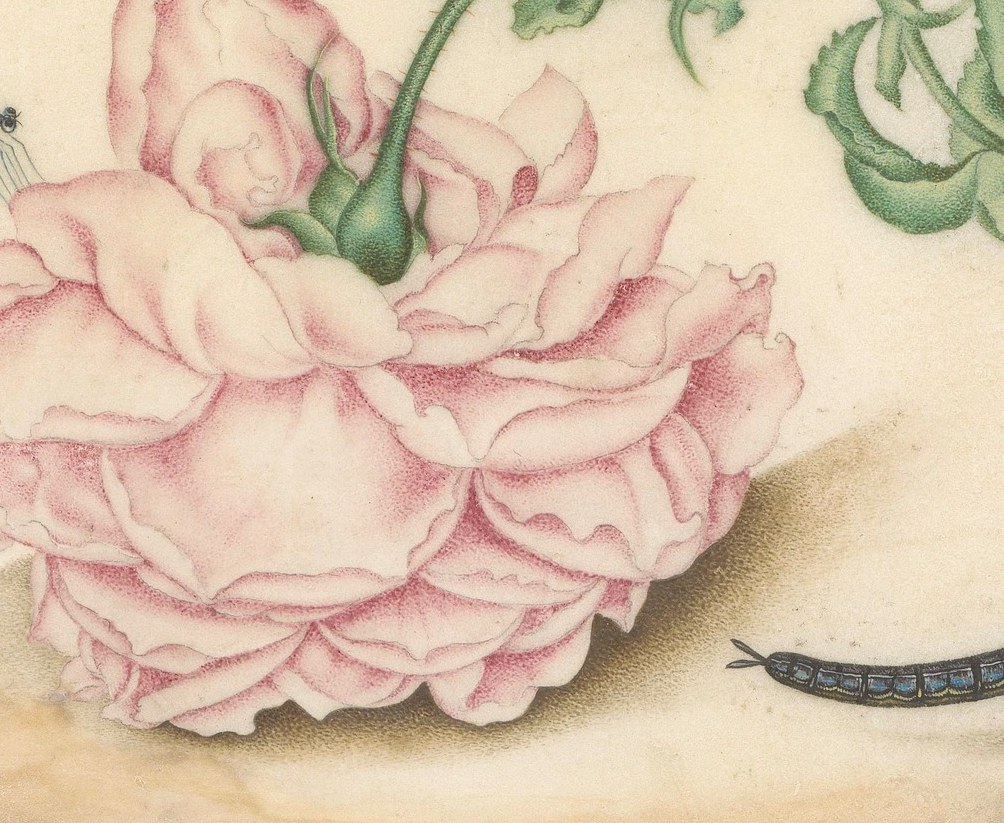
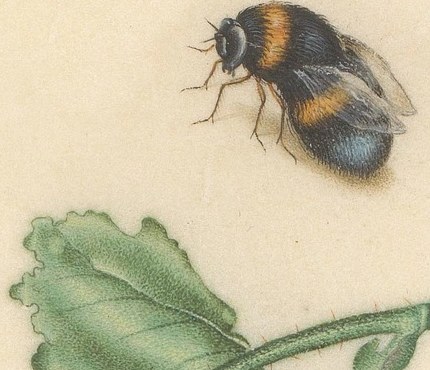
Christoffel van den Berghe’s “A Rose and Five Insects,” painted in 1618 and now at the Rijksmuseum, is a masterful example of Dutch Golden Age symbolism, where every detail tells a story beyond mere observation.
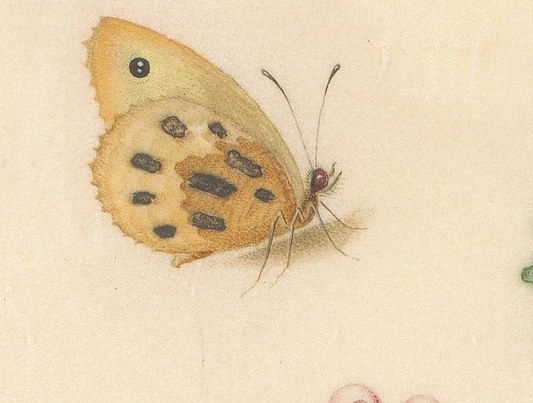
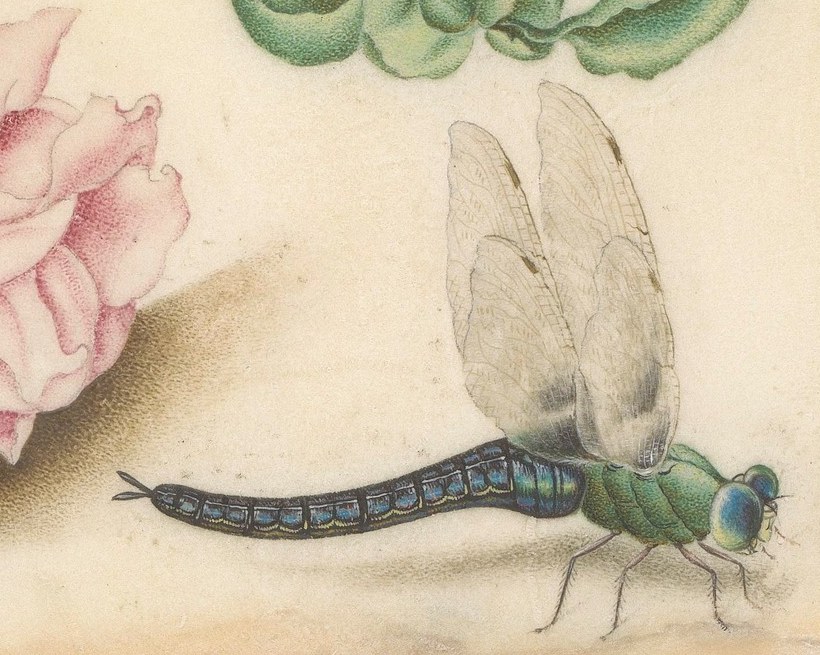
Look closely at the vibrant pink rose, a classic symbol of love and beauty, but also a poignant reminder of life's transient nature. The delicate butterfly, often associated with roses, traditionally represents the human soul and rebirth, while the striking dragonfly signifies transformation and the ephemeral quality of existence.
Van den Berghe, a Flemish-born Dutch painter known for his still lifes, meticulously crafted this work on vellum, a fine animal skin, allowing for incredible detail and precision. The plain background ensures that the intricate forms and colors of the rose and its insect companions stand out with remarkable clarity.
This painting invites us to contemplate the deeper meanings embedded in nature, reminding us that even the smallest details can carry profound messages about life and its delicate balance. What other hidden meanings might you find in his work?
Details
Transcript
This single rose, painted in 1618, is more than a flower. Roses symbolized love and beauty, but also life's brief moment. This butterfly, often seen near roses, represents the soul. And this iridescent dragonfly, a symbol of transformation and change. The artist's monogram tells us this is Christoffel van den Berghe. Each element here speaks of life's beauty and its fleeting nature.