Abbé Charles Bossut (1730–1814) by Pierre Pasquier
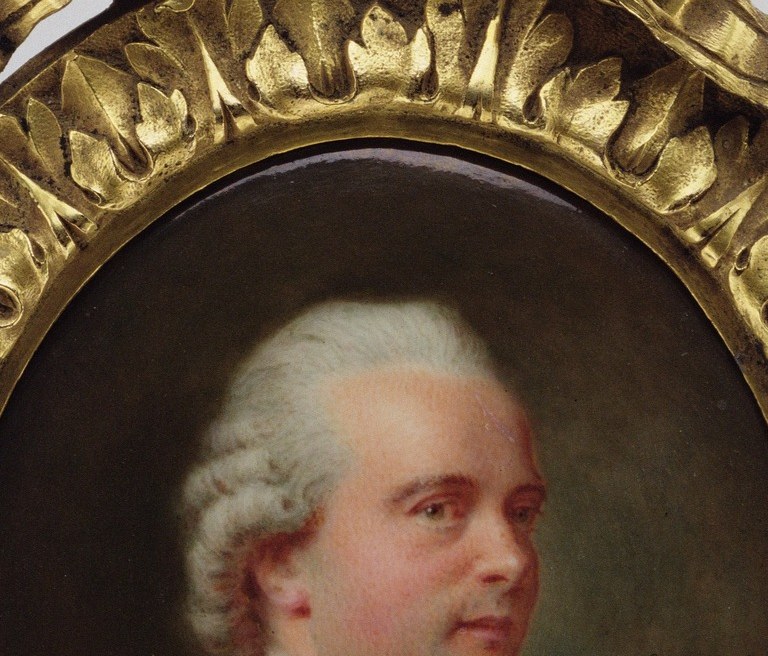
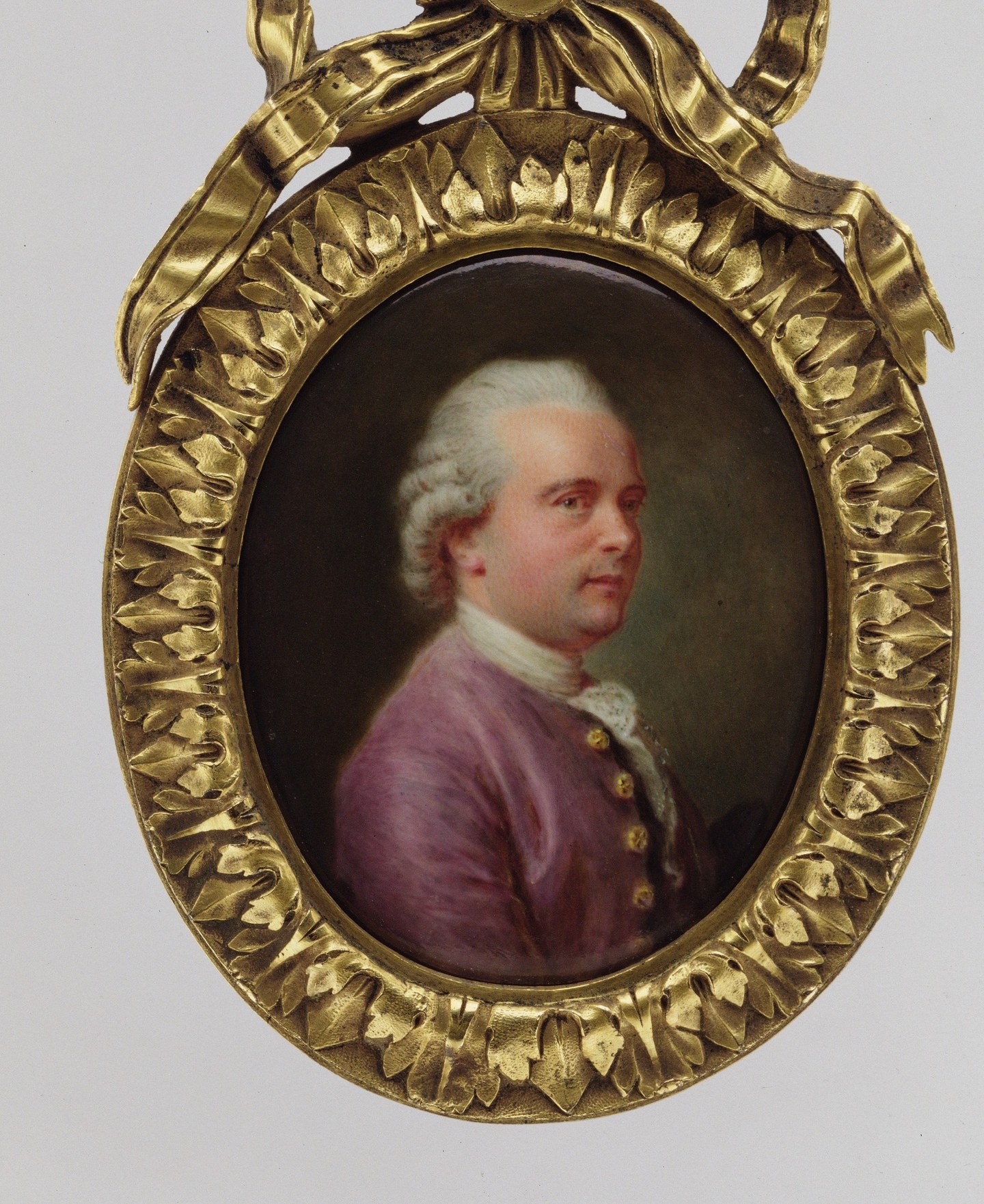
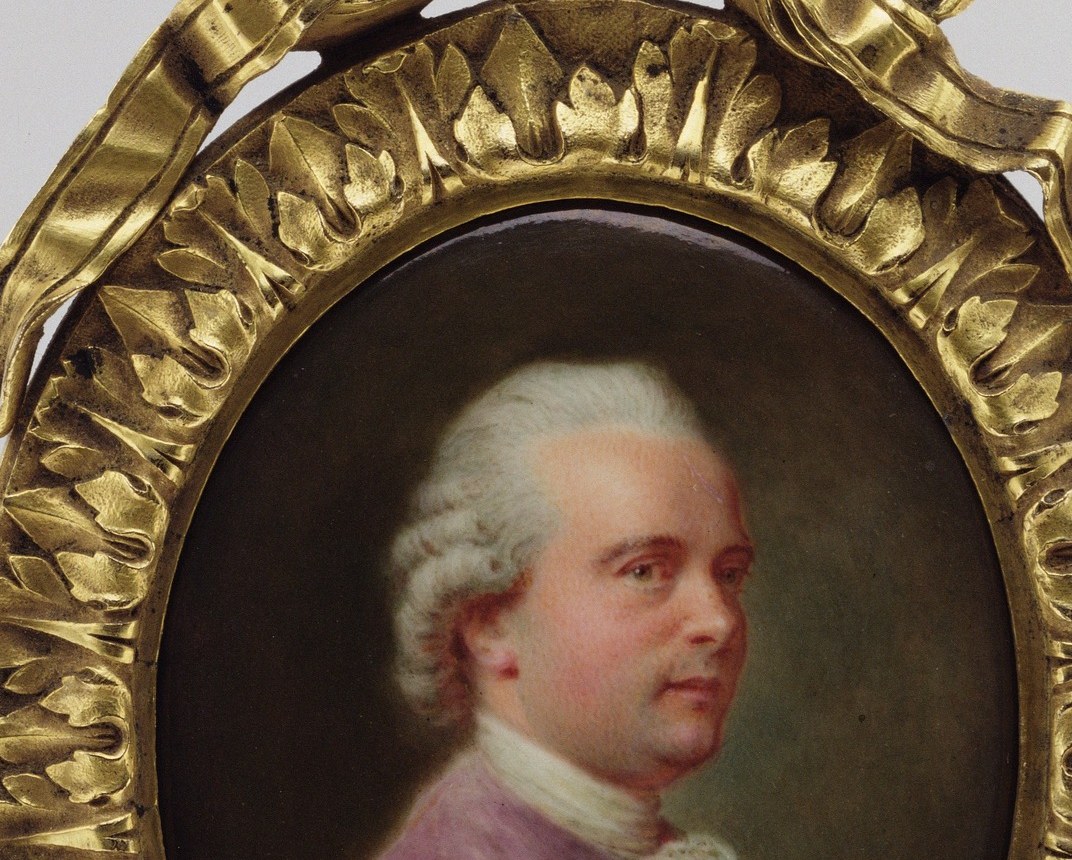
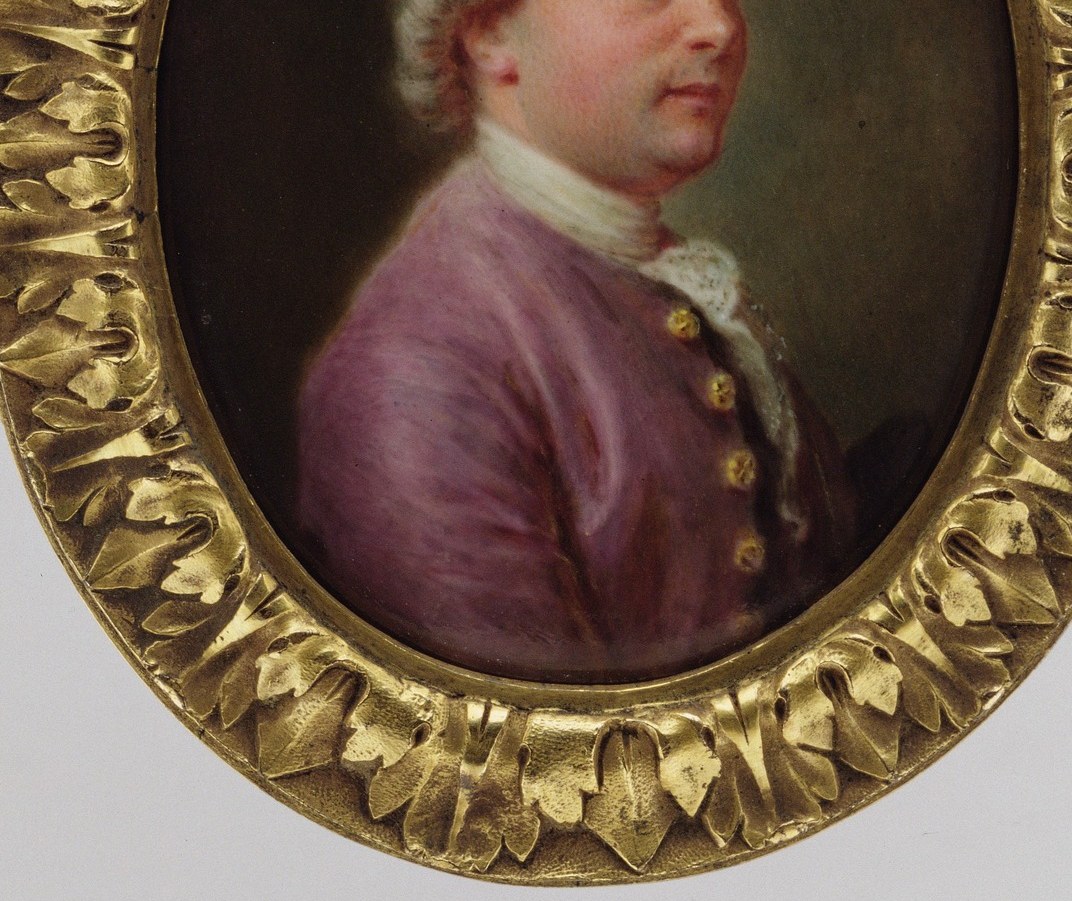
Abbé Charles Bossut (1730-1814) by Pierre Pasquier is a tiny French miniature from 1772, and it is held at The Metropolitan Museum of Art. But for more than three decades, no one at the museum knew where it was.
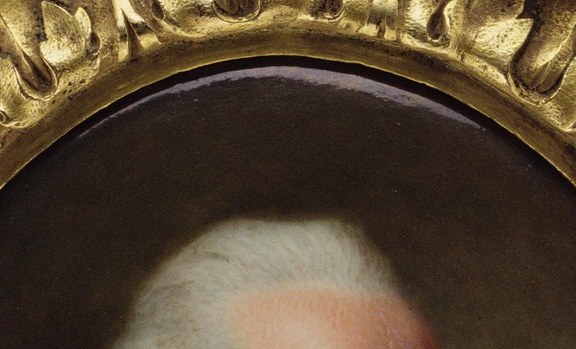
Look at the exquisite detail packed into something small enough to close your hand around. Pasquier gave the mathematician and priest a pink velvet jacket with gold buttons, a powdered wig, and a lace jabot that glows against the dark background. The gilded oval frame, topped with a bow ornament, signals this was made to be worn or gifted as a personal token.
The miniature was stolen from the Met on May 17, 1972. It simply vanished from its display. The theft made no sense: more famous works were nearby, untouched. The case went cold and stayed cold for 35 years.
In 2007, a retired New York City fingerprint analyst contacted the museum and told them he remembered the heist. He named a suspect and pointed investigators to a location. The painting was recovered and returned. The suspect, a former museum employee, had died years earlier. Sometimes the quietest face in the room has the loudest story.
Details
Transcript
A quiet face from 1772. A mathematician and priest. Pierre Pasquier painted him with softened features and a serious gaze. This tiny portrait is a miniature. You could hold it in your palm. On the night of May 17, 1972, someone walked into the Met and took it. No alarms. No broken glass. The most valuable piece in the room, simply gone. For 35 years, the case was cold. Then, in 2007, a phone call. A retired fingerprint analyst said: I know who took it. Here is where it is.