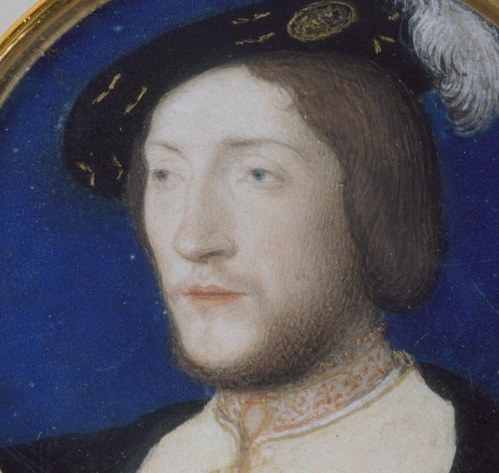
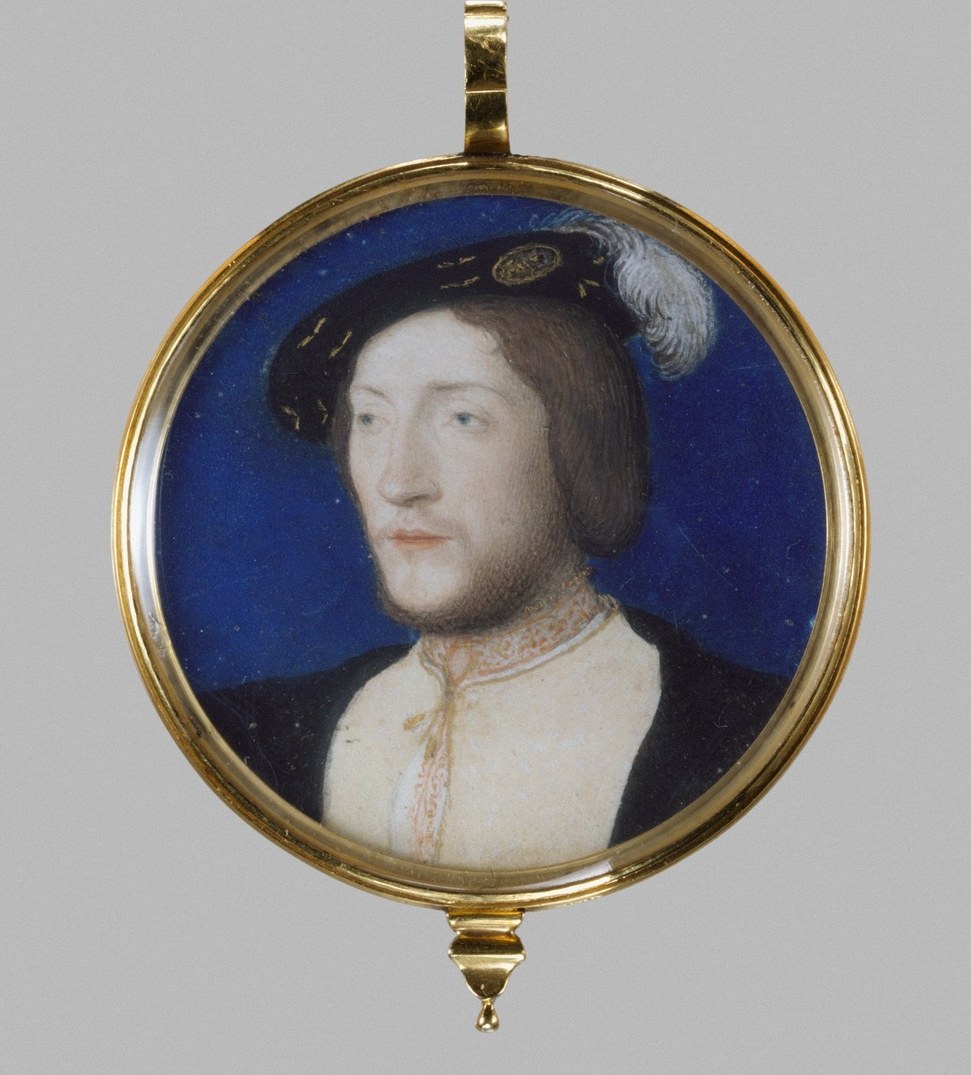
Charles de Cossé (1506–1563), Count of Brissac by Jean Clouet
This miniature portrait of Charles de Cossé (1506-1563), Count of Brissac, by Jean Clouet, created in 1535, is a fascinating example of 16th-century personal adornment. Held at The Metropolitan Museum of Art, it reveals how art intersected with jewelry.
Notice the intricate gold frame and the small loop at the top, indicating that this wasn't hung on a wall. Instead, it was worn, likely pinned to clothing as a pendant or locket. The artist, Jean Clouet, was a celebrated court painter to King Francis I of France.
Such portable likenesses served as intimate mementos or symbols of allegiance, allowing the owner to carry the image of a significant figure with them. This practice highlights a personal connection between the wearer and the subject, capturing a moment in a highly collectible and wearable format.
What a unique way to keep a powerful figure close.
Details
Transcript
This is Charles de Cossé, a powerful 16th-century French count. He was painted on vellum, a fine animal skin, in 1535. Look closely at the gold setting and the loop at the top. This was not hung on a wall, but worn, like a piece of jewelry. It was a personal memento, carried by someone close to him.