Julia Dodd (Mrs. George Dodd) by Neagle, John
John Neagle's 1852 portrait, "Julia Dodd (Mrs. George Dodd)" at the [Museum Name], offers a fascinating glimpse into 19th-century society through its subtle details.
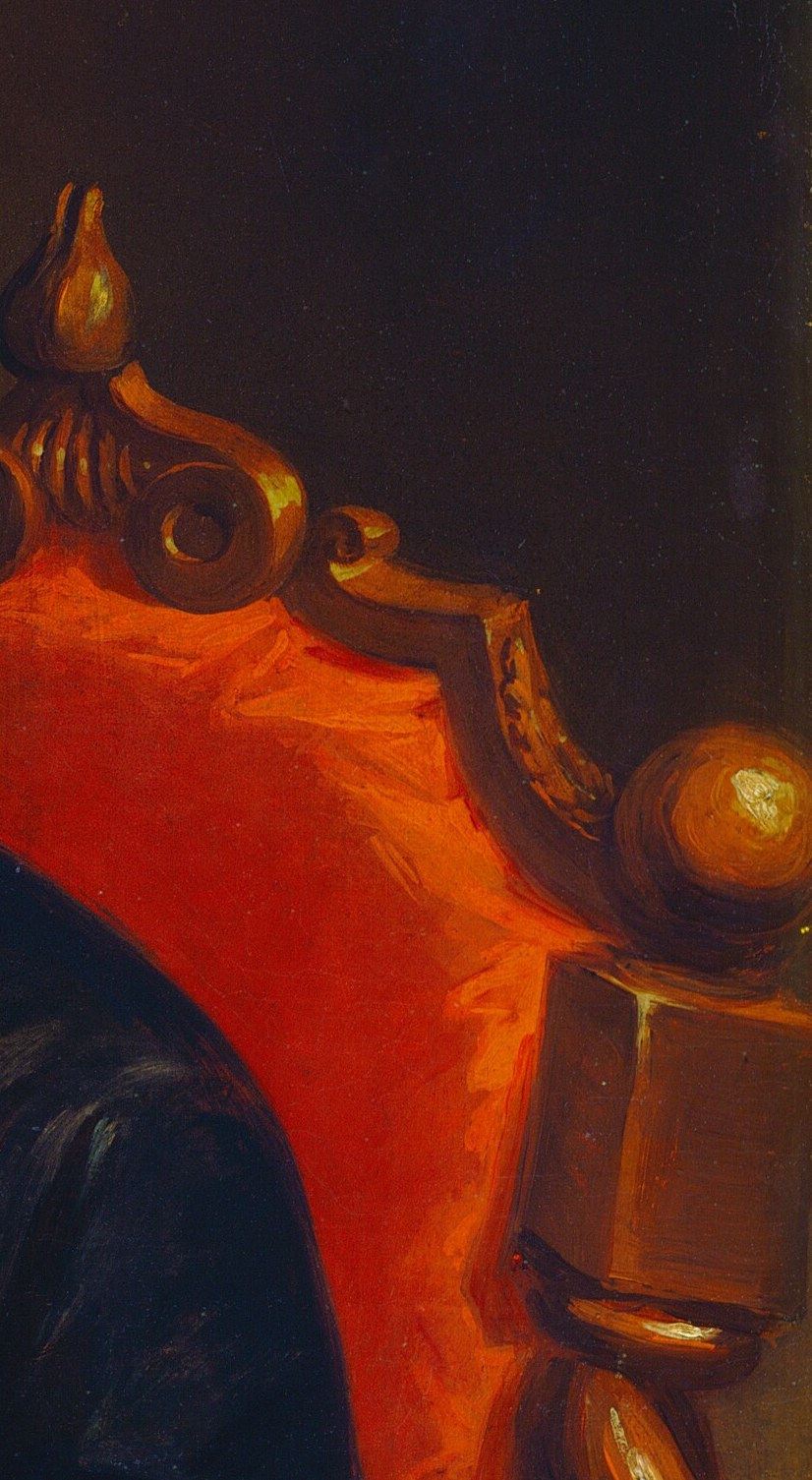
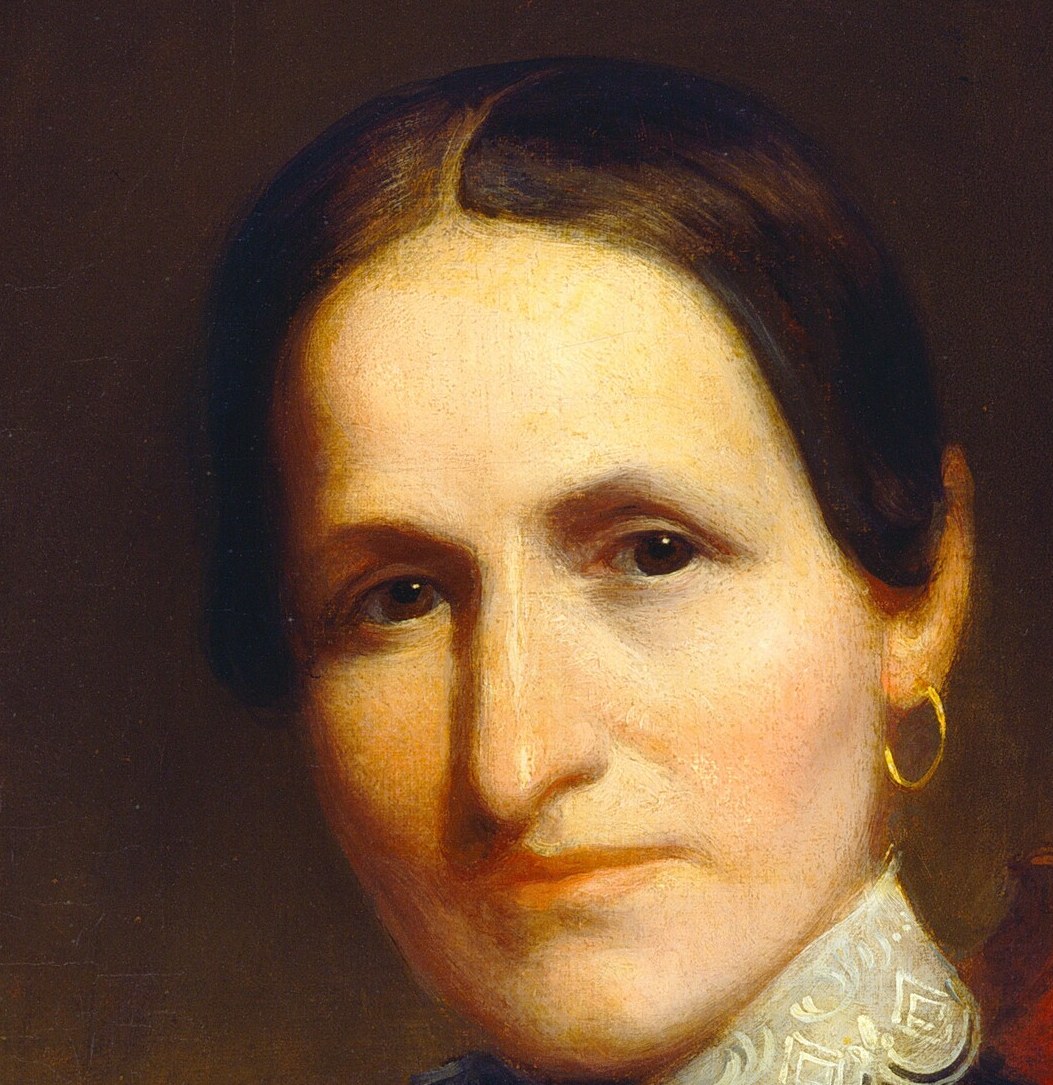
Notice the delicate lacework of her white collar, a clear indicator of contemporary fashion and social standing. Her elegant gold hoop earring and the ornate carving on the red upholstered chair further emphasize a life of comfort and status.
In the 1800s, portraiture was more than just a likeness; it was a public declaration. These paintings served as important personal mementos and ways for individuals like Julia Dodd to document their identity and social position for posterity. Neagle's soft lighting and her composed expression create a sense of dignity, typical of the era's approach to capturing personality.
What other subtle hints of status do you notice in historical portraits?
Details
Transcript
This 1852 portrait shows Julia Dodd, a woman of her time. Her intricate collar, a sign of fashion and status in the 1800s. The simple gold earring suggests her social standing. Even the carved detail on her chair speaks to luxury. She wears a solemn expression, typical of portraits then. This painting was a statement of who she was.