Boy with a House of Cards by François-Hubert Drouais
François-Hubert Drouais's "Boy with a House of Cards," painted around 1761, captures a moment of intense, delicate play. This oil painting, held at The Metropolitan Museum of Art, invites us into the world of an aristocratic child. The artist, Drouais, was a leading portrait painter for the French royal family and nobility during King Louis XV's reign.
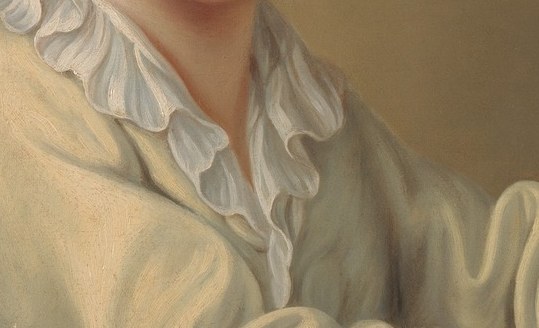
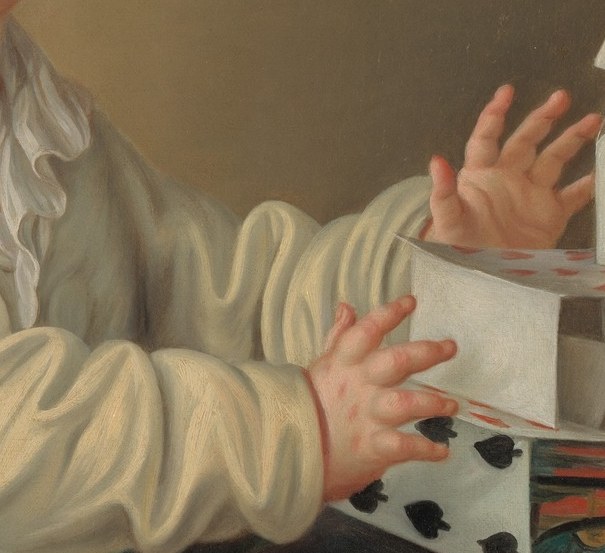
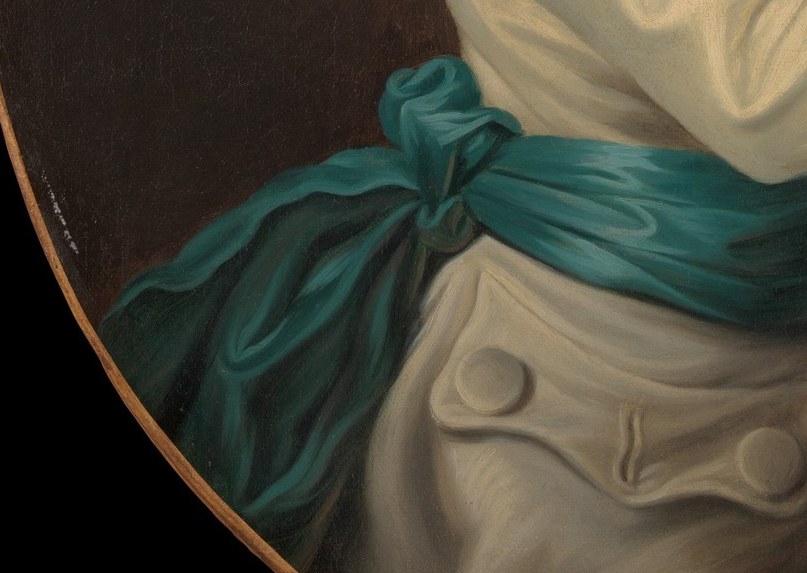
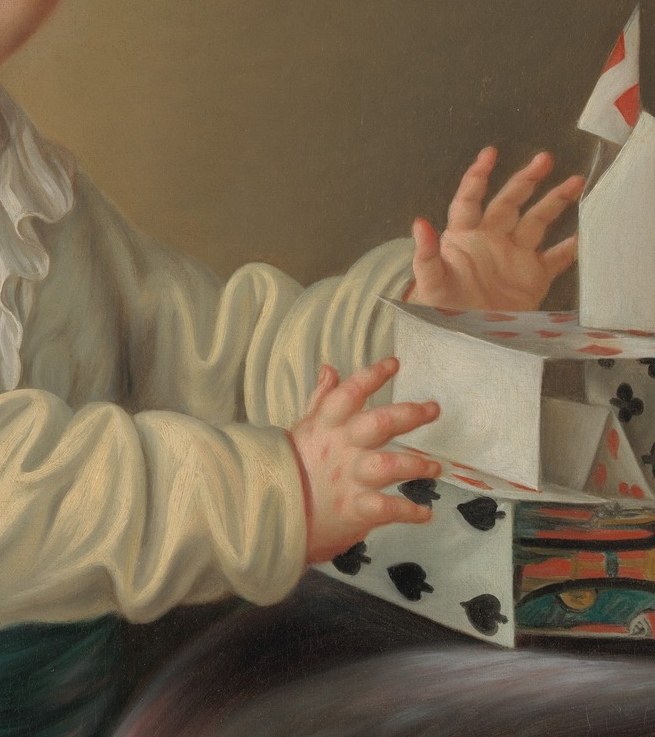
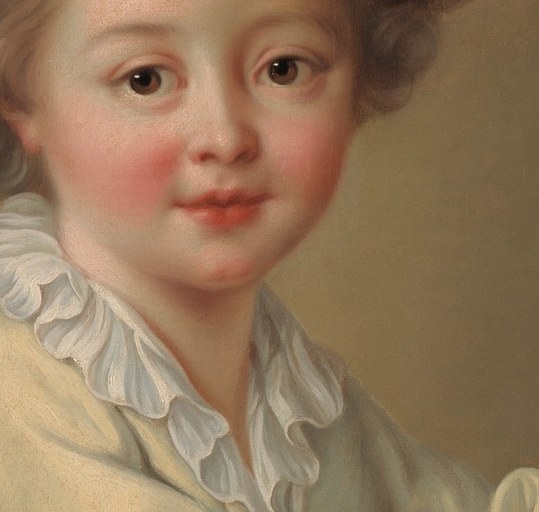
Observe the young boy's focused expression and the careful precision of his hands as he constructs a house of cards. His fashionable attire, from the ruffled collar to the vibrant sash, speaks to his privileged background, a common subject for Drouais.
The house of cards itself is more than just a game; it was a popular motif in 18th-century art, symbolizing the transient nature of childhood, the precariousness of fortune, or the fleeting pleasures of life. Drouais’s skill in rendering lifelike figures made his portraits a fashionable necessity for the elite of his time.
What do you think this delicate balance meant to the society that admired it?
Details
Transcript
This young boy builds a fragile house of cards. The painter was a favorite of French royalty and nobility. His delicate movements show intense concentration. The boy's elegant clothes signal his privileged world. The house of cards, a symbol of fleeting fortune, was popular then. Look closely at his face, lost in the delicate balance.