Henri Camille, Chevalier de Beringhen by Oudry, Jean-Baptiste
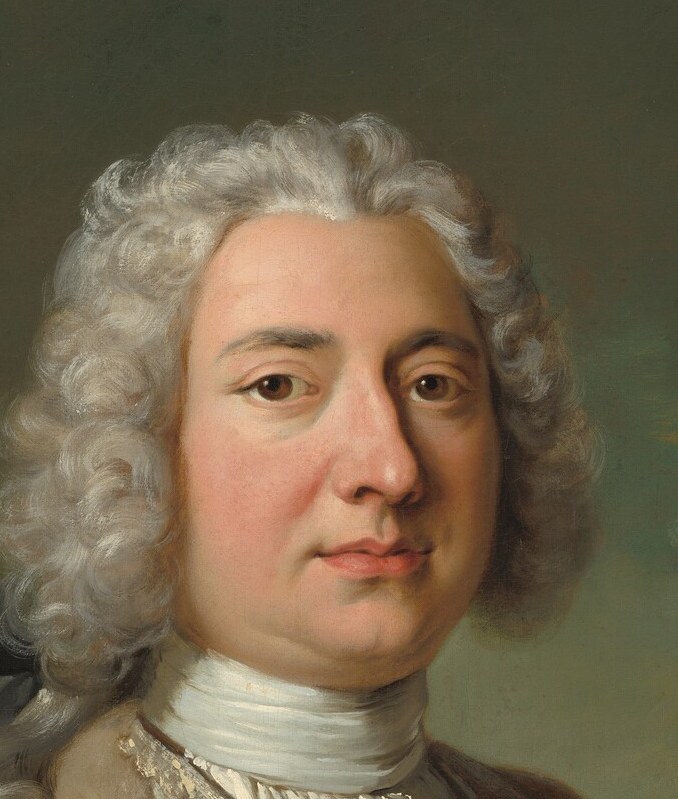
Jean-Baptiste Oudry, primarily known for his dynamic animal paintings and hunting scenes, also brought a unique sensibility to portraiture. His 1722 painting, *Henri Camille, Chevalier de Beringhen*, blends the formal portrait with elements of a hunting genre scene, a novel approach for its time.
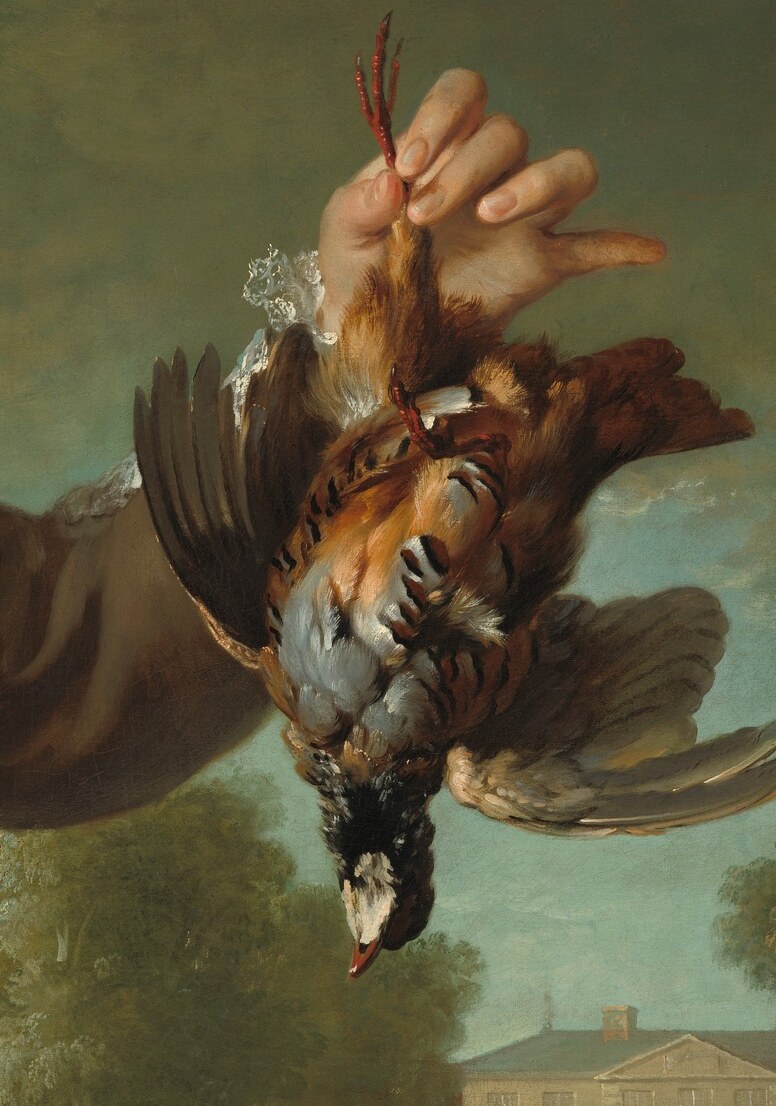
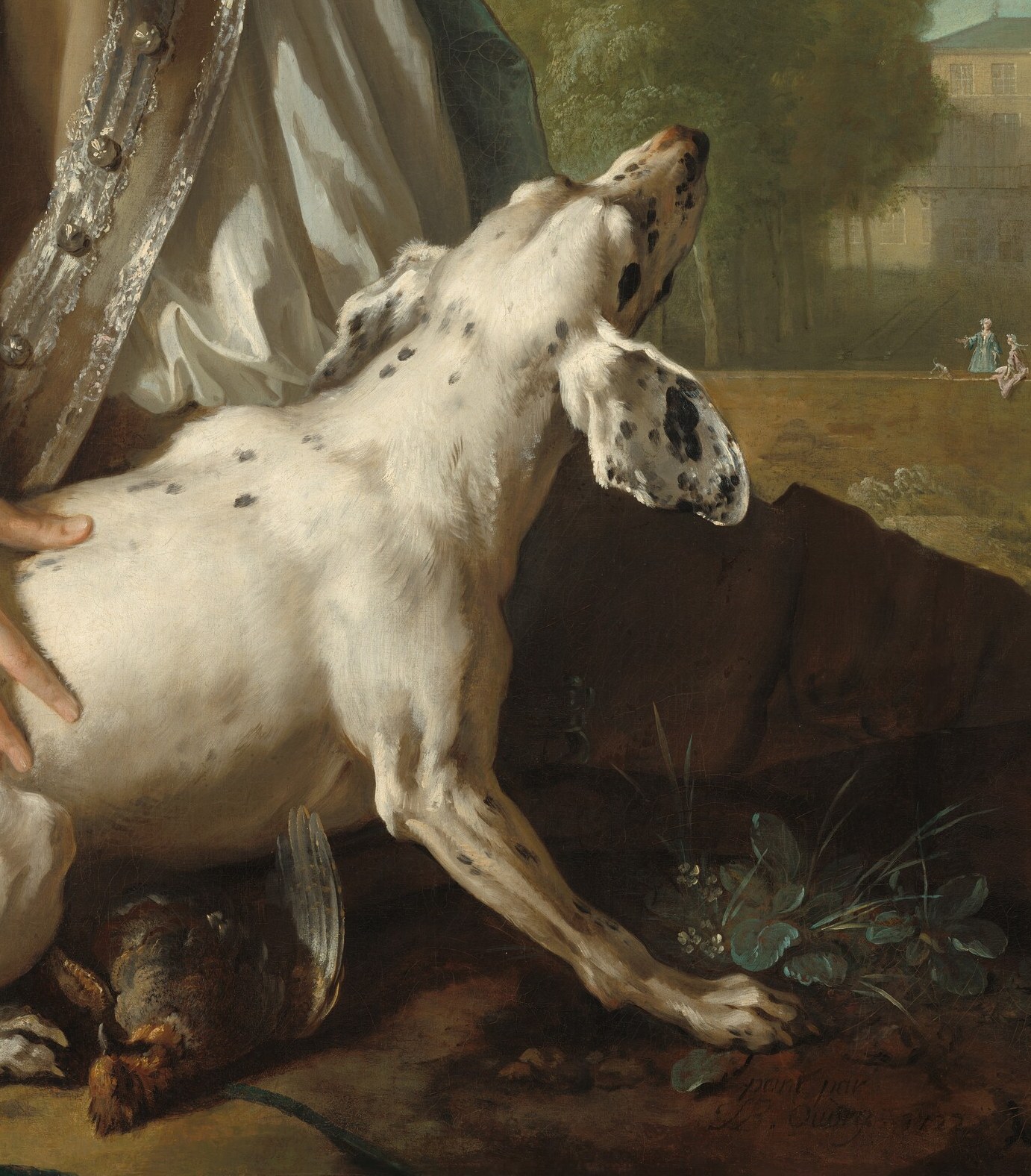
Observe the chevalier's composed demeanor, contrasted with the freshly caught bird in his hand and the hunting dog at his feet. The distant flying bird adds a touch of life and movement, hinting at the activity that has just concluded. This integration of the natural world into a formal portrait showcases Oudry’s versatility.
Created early in his career, this oil on canvas work from the Rococo period reflects the aristocratic custom of commissioning portraits that subtly celebrated leisure pursuits. It remained in private collections for generations, affirming its significance as both a personal likeness and an artistic statement.
Oudry's skillful balance of decorative elegance and precise observation gives the painting a three-dimensional presence, making it a compelling example of early 18th-century French aristocratic art.
Details
Transcript
This painter was famous for his scenes of animals and the hunt. But here, he painted a man with quiet dignity. The chevalier holds a game bird from his hunt. Another bird flies freely in the background. His hunting dog rests calmly at his feet. This blending of portraiture and genre was a new style. Oudry's work foreshadowed his later famed hunting scenes.