Roundel with Adoration of the Magi by http://www.wikidata.org/.well-known/genid/b3cf175856d02088b05e11195e93bcf7
This beautiful artwork, "Roundel with Adoration of the Magi," painted by a Flemish Master around 1485, is more than just a depiction; it's a story told through symbolic gifts. Each offering from the wise men carries deep meaning about the identity and destiny of the infant Jesus.
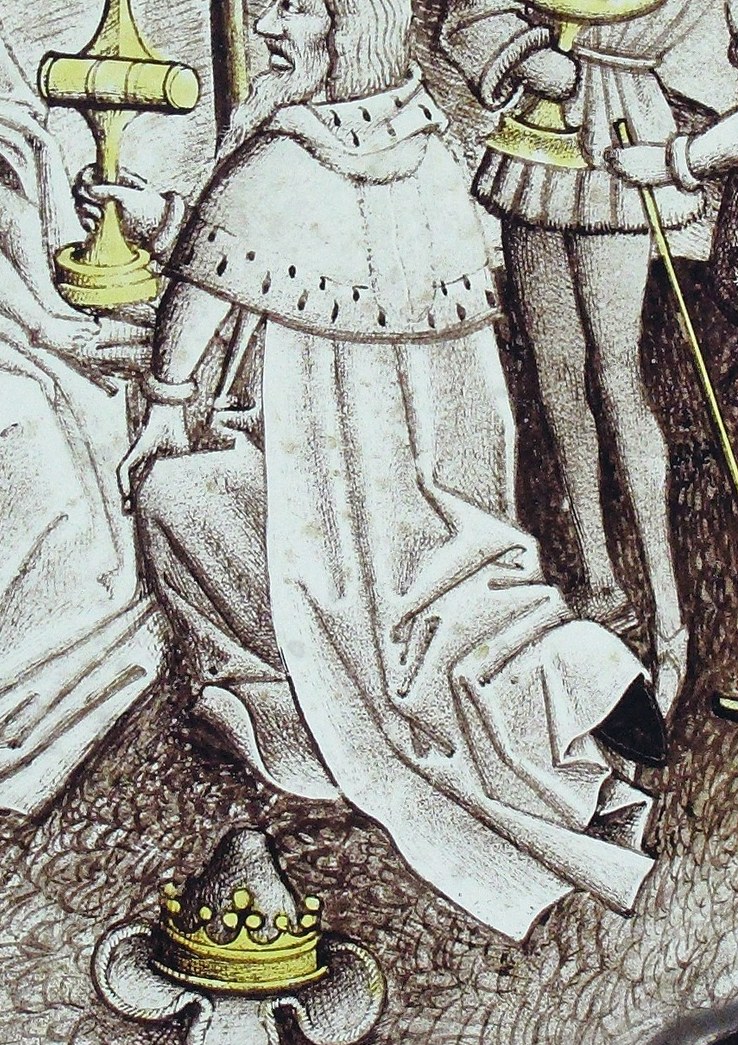
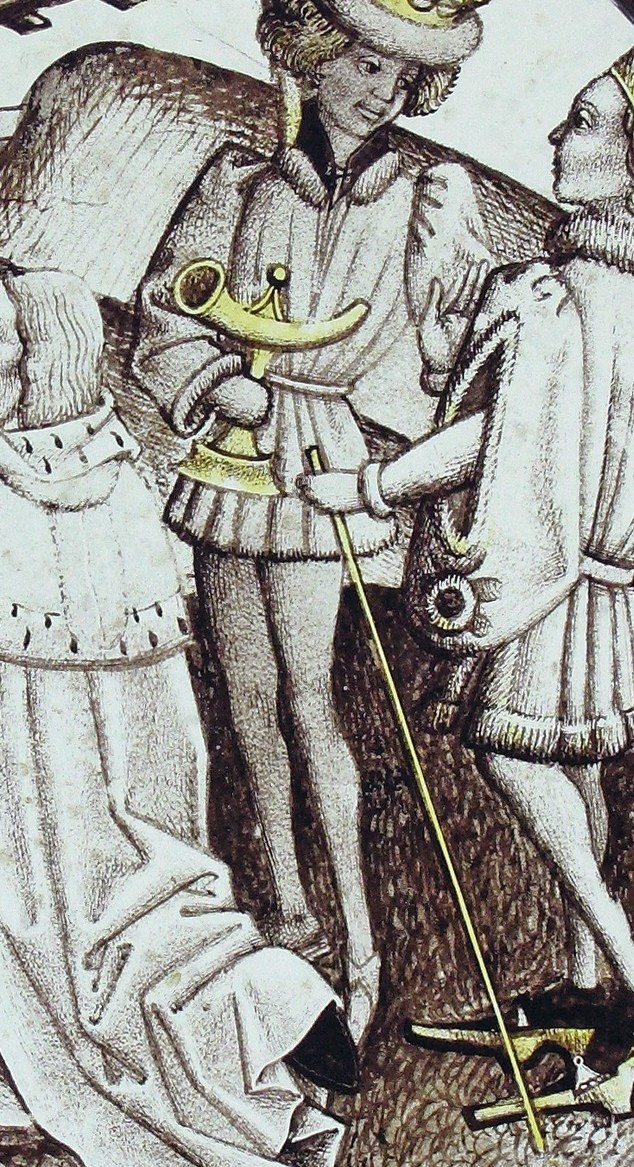
Look closely at the gifts. The first Magus presents a golden cup, a traditional gift for royalty, signifying Christ's kingship. The second offers frankincense, burned in religious ceremonies, representing his divine nature. Finally, the youngest Magus holds a box of myrrh, an anointing oil used in embalming, which tragically foreshadows his future sacrifice.
These symbolic elements were common in Renaissance art, allowing artists to convey complex theological ideas to a largely illiterate audience. The round format, known as a tondo, draws the viewer's eye inward, emphasizing the central narrative and the profound significance of this moment.
The painting invites us to decode these visual messages, revealing a richer understanding of the biblical story. What other hidden meanings might be found in devotional art?
Details
Transcript
This round painting tells the story of the Adoration of the Magi. The star in the sky guided the wise men to the newborn child. The first Magus kneels, offering a golden cup. Gold was a gift for kings, signifying Christ's royal lineage. The second Magus offers a censer, burning frankincense. Frankincense was used in worship, symbolizing the child's divinity. The youngest Magus holds a small box, containing myrrh. Myrrh was an embalming oil, foreshadowing Christ's ultimate sacrifice.