The Nun by Zak, Eugène
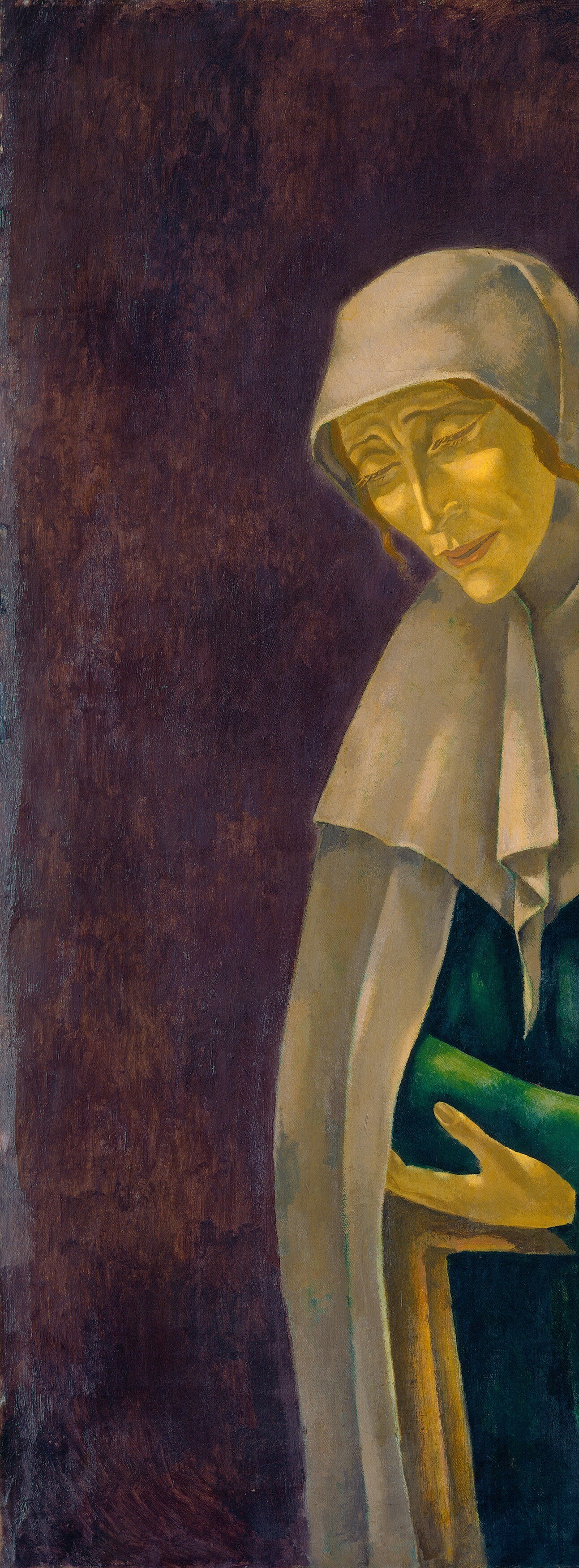
Eugène Zak's 1905 oil painting, 'The Nun', at first glance seems a simple portrait. Yet, it invites us into a profound inner world, depicted with remarkable subtlety and empathy.
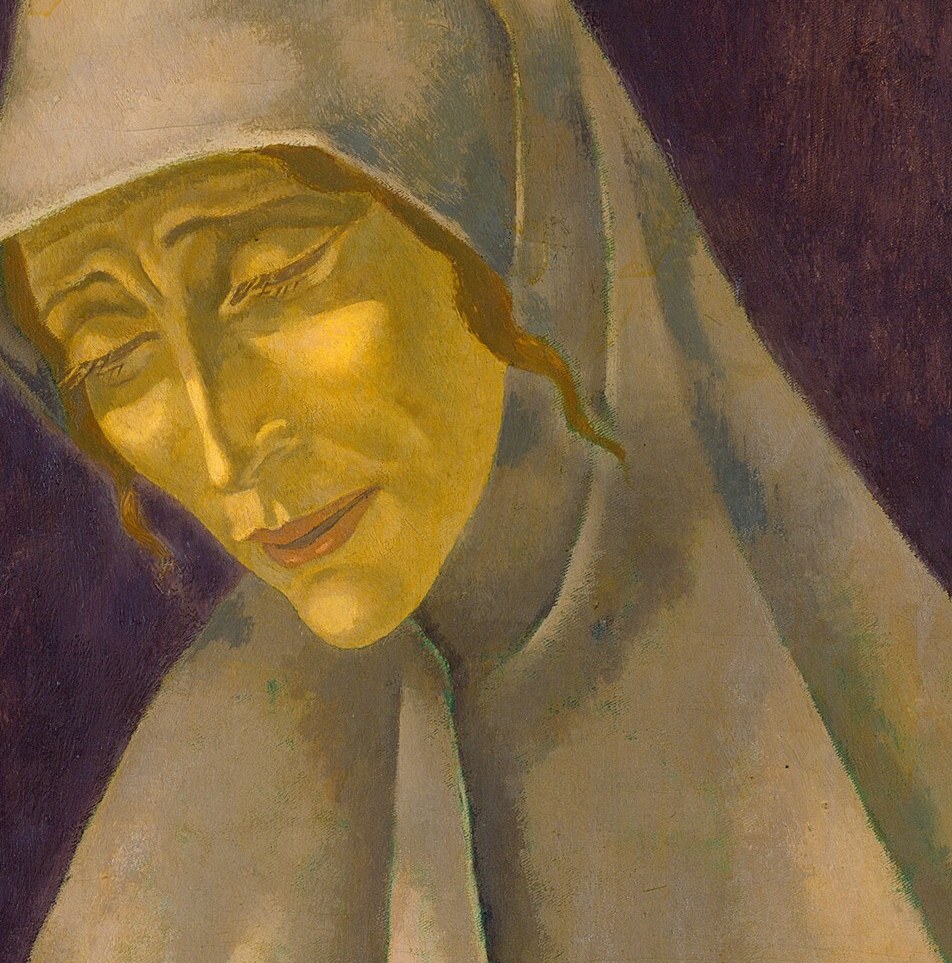
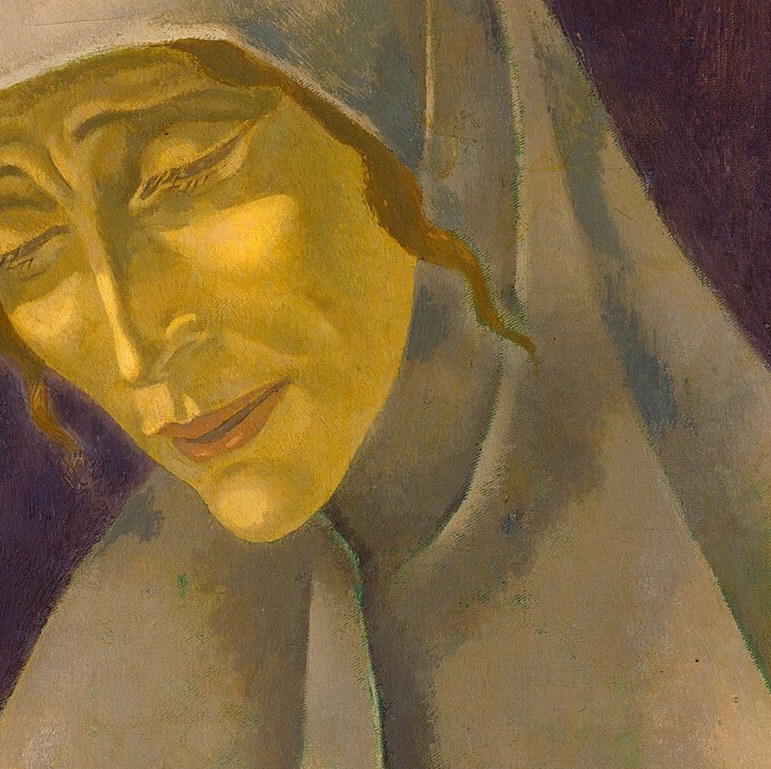
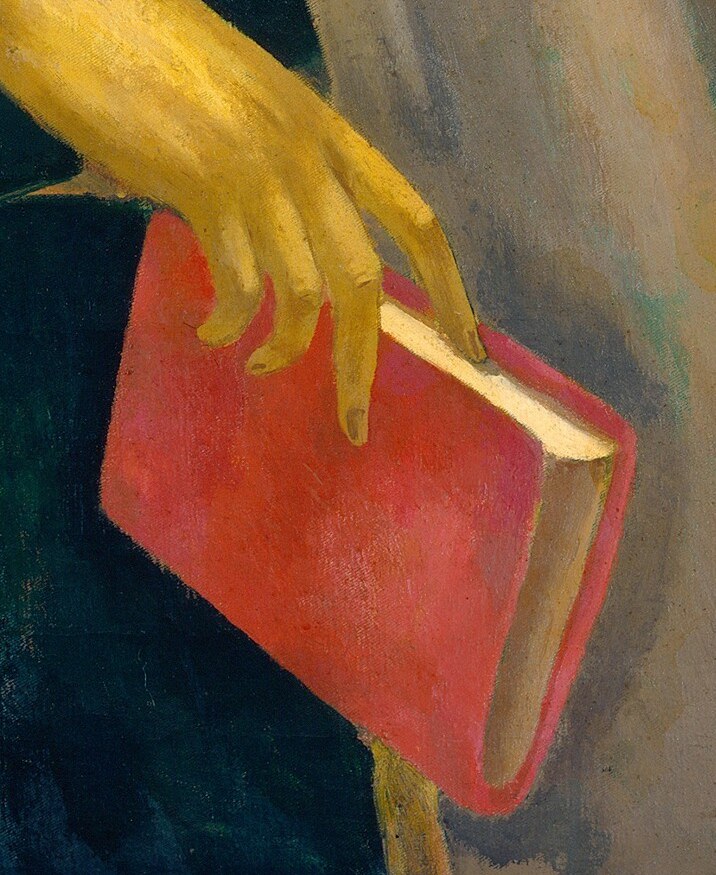
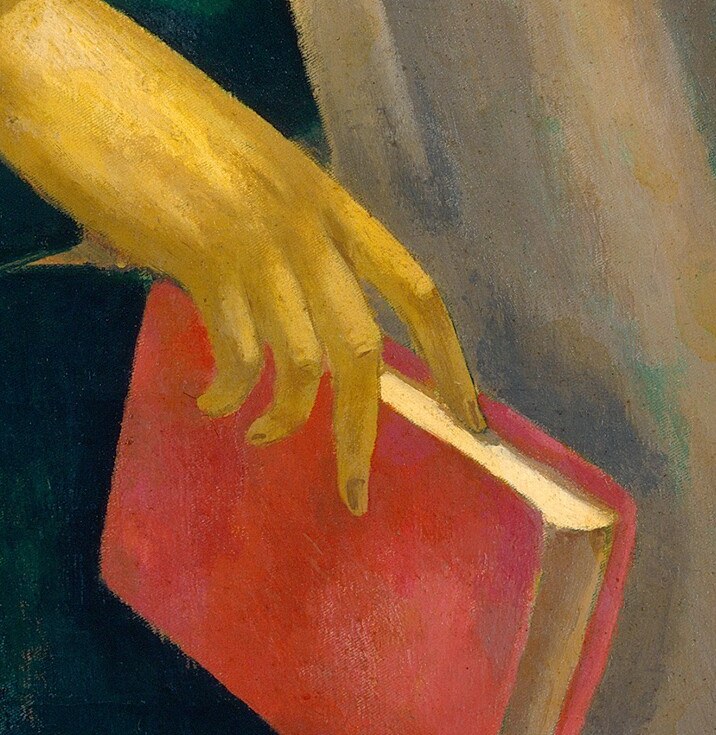
Look closely at the nun's face, bathed in a soft light. Her downward gaze and the gentle folds of her white veil create an enclosed, introspective presence. The vivid red book in her hand is a striking counterpoint to her dark dress and the somber background, hinting at her devotion or scholarly pursuit.
Zak, known for his intimate portraiture, crafted this work to explore the interplay of light and shadow, using chiaroscuro to model her form and evoke a sense of quiet solitude. This painting, a testament to the artist's sensitive handling of human emotion, has remained mostly in private collections.
What stories do you imagine within her silent contemplation?
Details
Transcript
She sits in shadow, a world away. This painting, simply titled 'The Nun', was made in 1905. Her face is a study in quiet contemplation. The soft light models her features, emphasizing her withdrawn state. She holds a red book, a vibrant focal point of her devotion. Her hands carefully hold it, suggesting reverence or study. Eugène Zak, the artist, often explored intimate portraiture like this.