Still Life with a Dead Stag by Frans Snyders
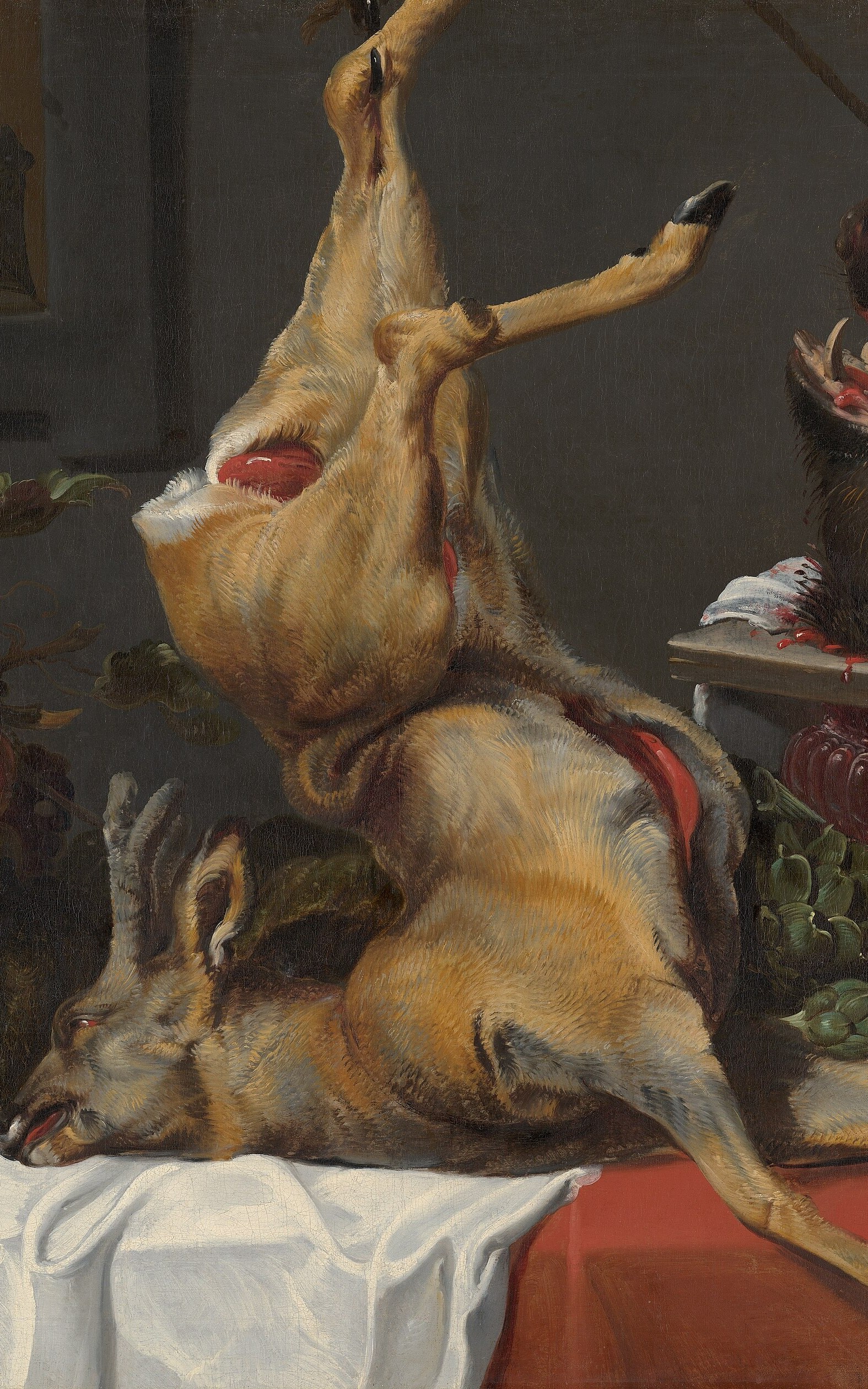
Frans Snyders, a pioneering Flemish Baroque painter, brought a new energy to the still-life genre with works like *Still Life with a Dead Stag*, created around 1650 and held at the Mauritshuis.
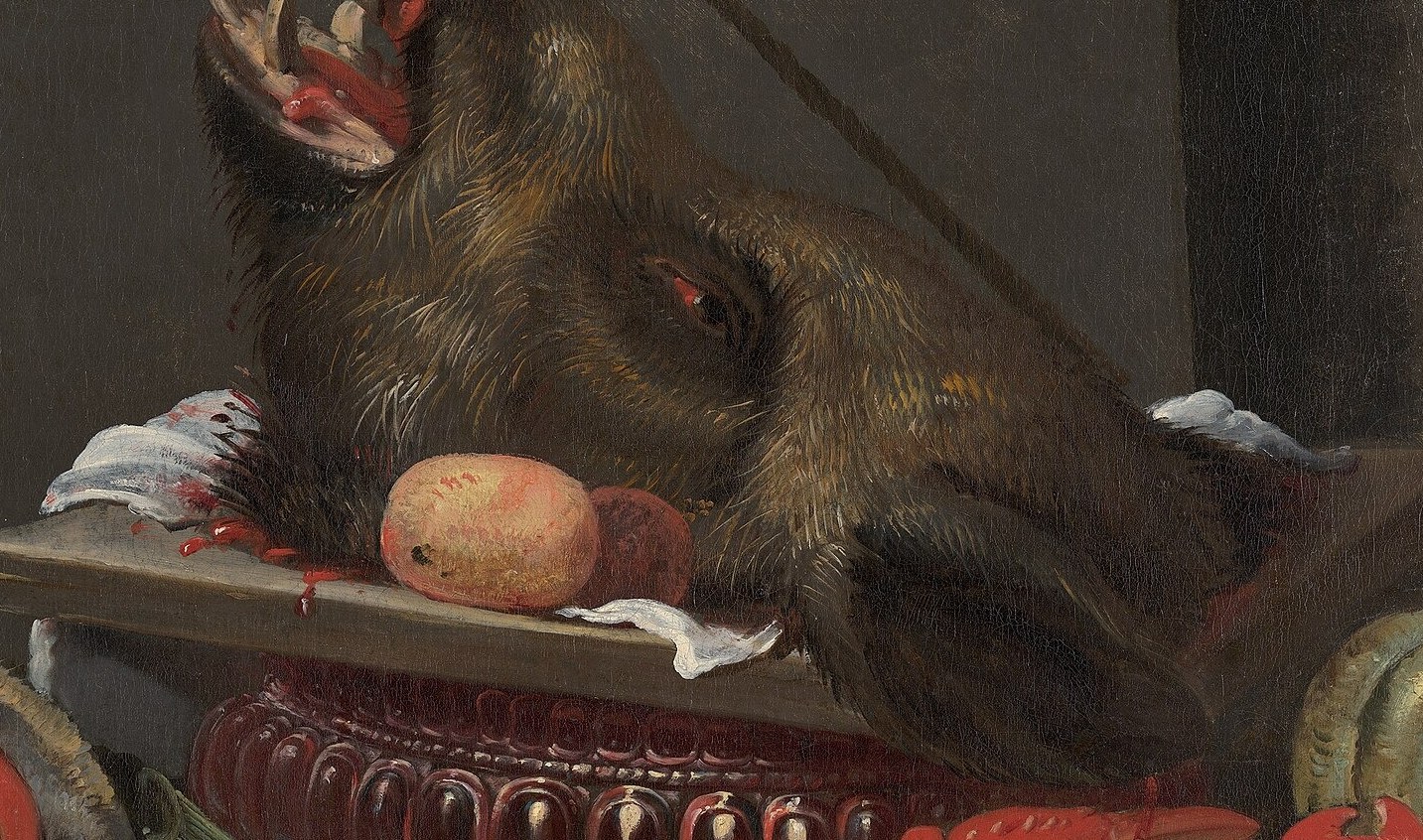
Snyders was one of the earliest "animaliers," specializing in vibrant depictions of animals and hunting scenes. In this painting, the central dead stag and snarling wild boar's head represent the spoils of the hunt and the inevitability of death.
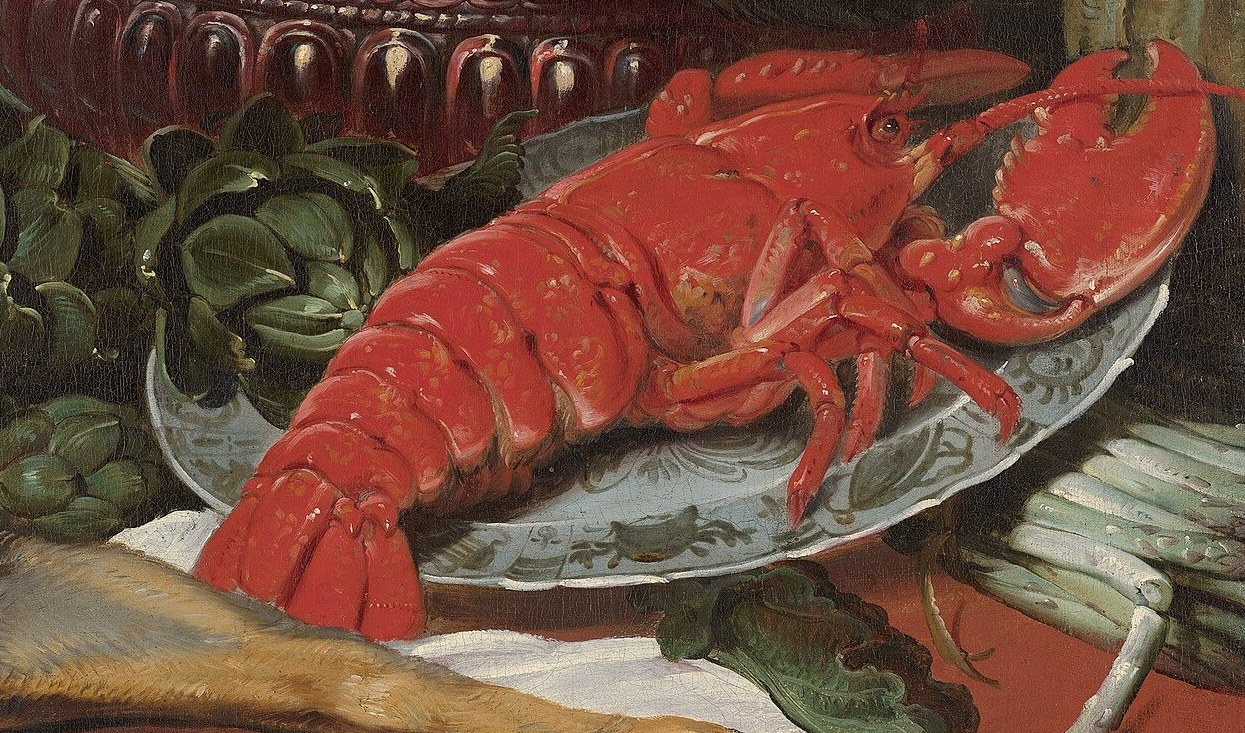
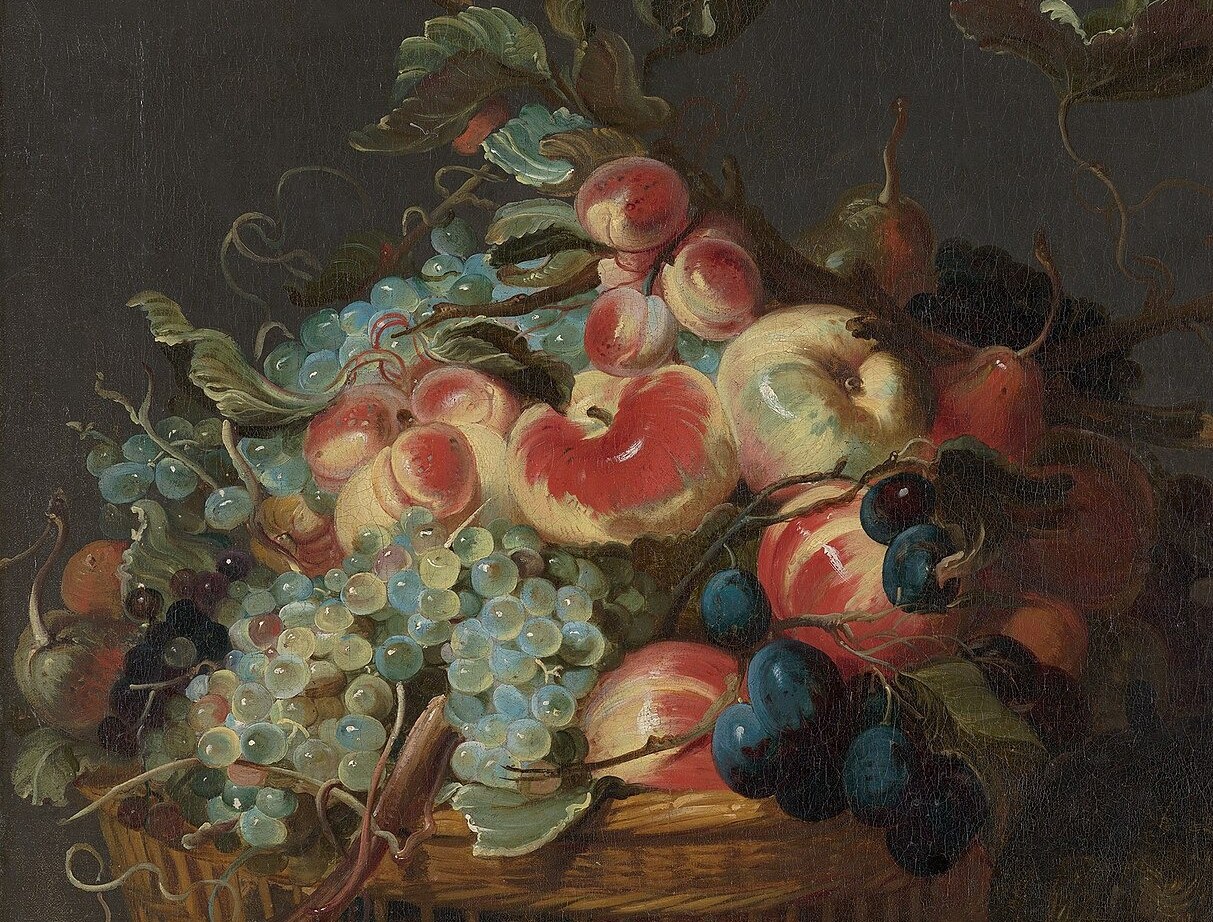
These raw elements are juxtaposed with the vibrant red lobster and the overflowing basket of ripe fruits, symbolizing the abundance of nature and earthly pleasures. The composition invites a reflection on the cycle of life, the transition from wilderness to domesticity, and human interaction with the natural world.
His dramatic compositions and meticulous rendering of textures influenced many contemporaries, cementing his legacy in Flemish Baroque art. What stories do you see in this rich tableau?
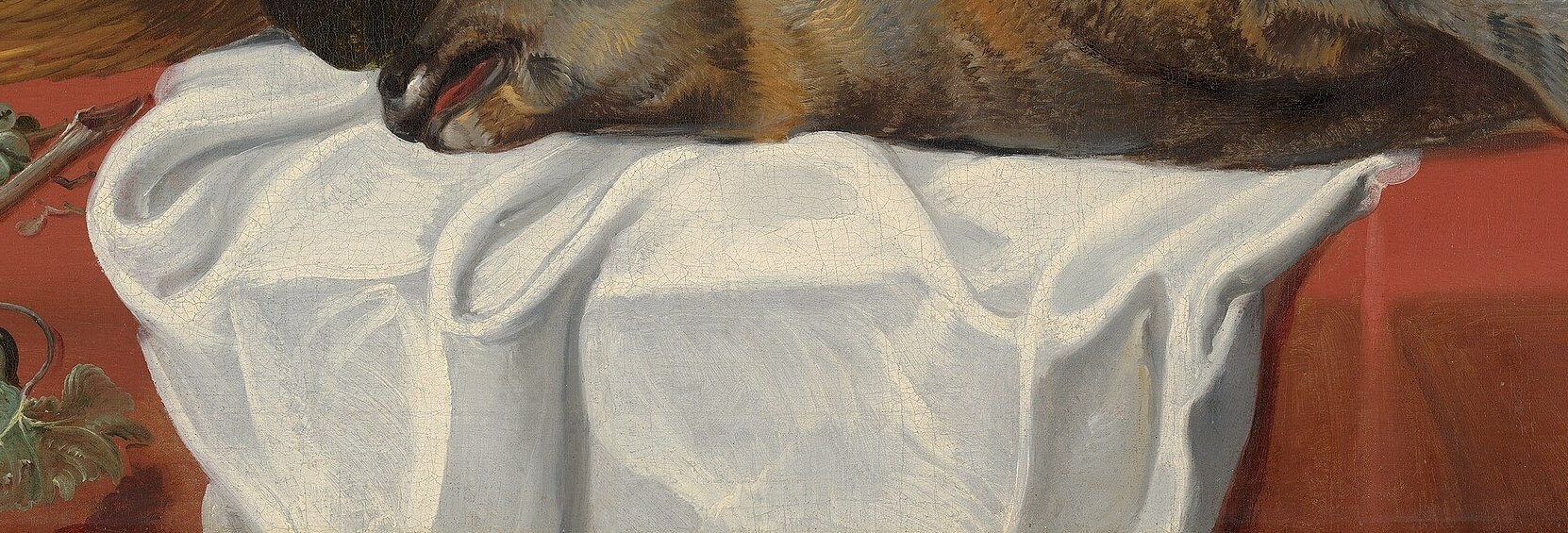
Details
Transcript
In 1650, this painter brought new life to still-life art. He was a master of animal painting, called an 'animalier'. The dead stag, and boar head, symbolize the spoils of the hunt. The vibrant lobster and overflowing fruit, earthly abundance. Together, they are a meditation on life, death, and human consumption. It's a world where nature's bounty meets mortality and domesticity.