Portrait of Johan Maurits (1604-79), count of Nassau-Siegen and governor of Brazil by Michiel van Musscher
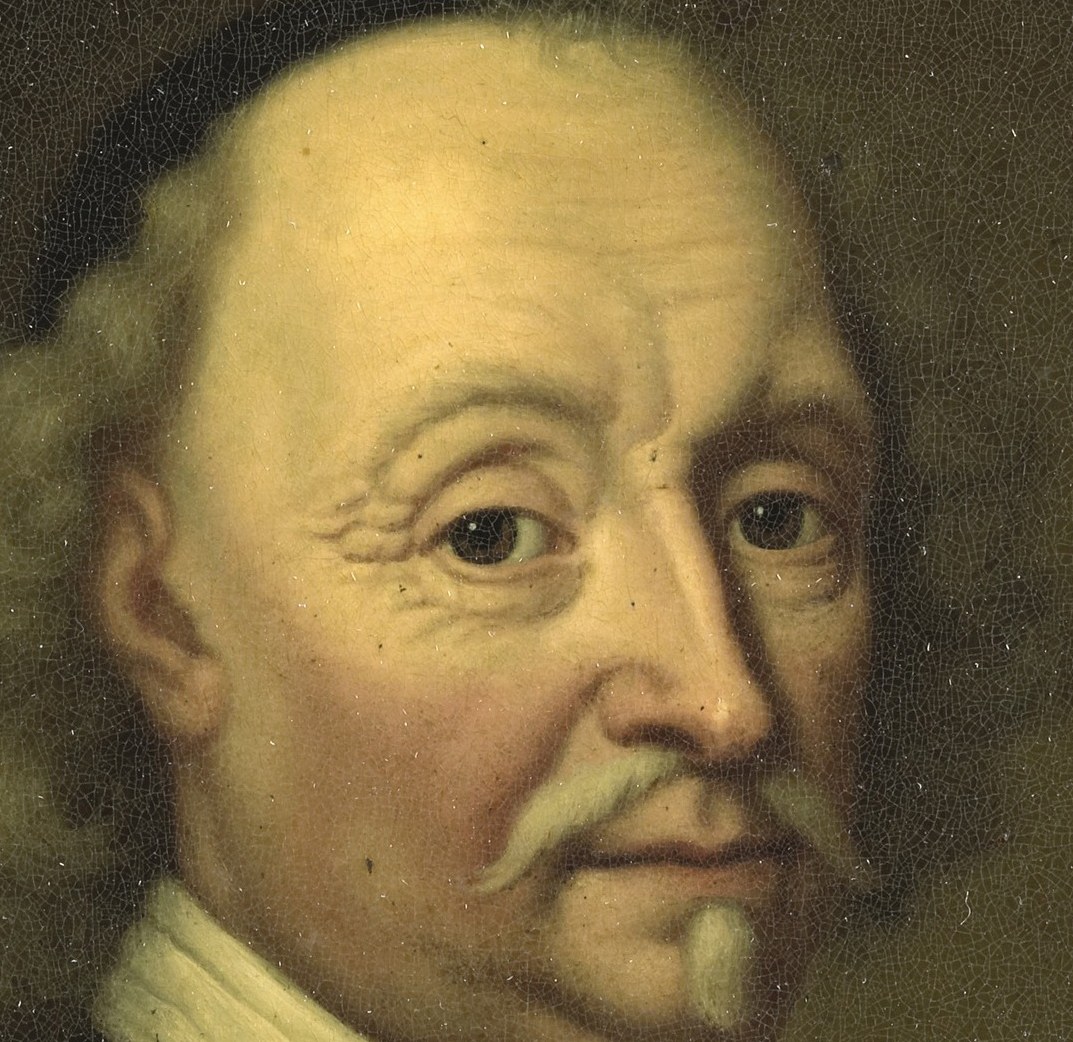
This portrait of Johan Maurits (1604-79), Count of Nassau-Siegen and former governor of Brazil, was painted by Michiel van Musscher in 1675. Now part of the Rijksmuseum's collection, it offers a glimpse into 17th-century Dutch colonial administration and portraiture.
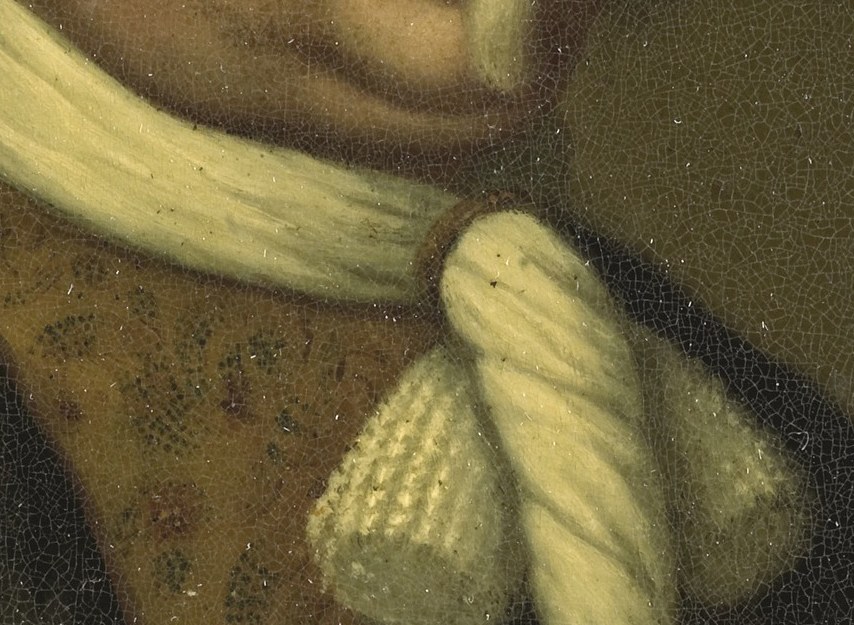
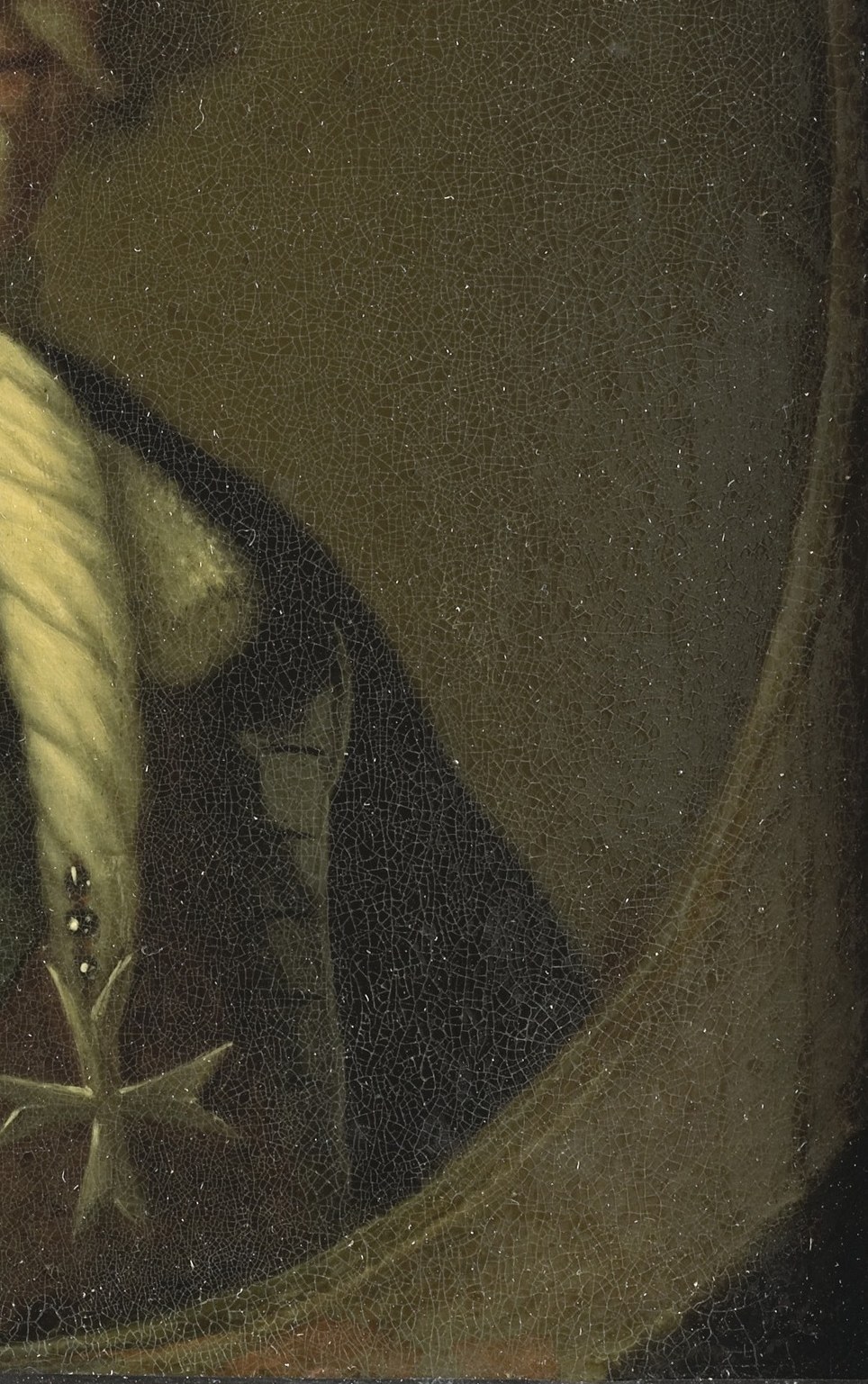
Look closely at Johan Maurits's formal attire, from his neatly tied cravat to the star decoration on his chest, which signifies his noble rank and official status. His aged features and direct gaze convey a sense of experience and authority.
Johan Maurits was a significant figure in the Dutch West India Company, overseeing territories in Brazil. This painting, executed on copper, allowed the artist to capture delicate gradations of light and shadow, highlighting the sitter's distinguished appearance.
The portrait serves as a valuable historical document, reflecting the practice of commemorating high-ranking officials through art during the Dutch Golden Age.
Details
Transcript
This man was a powerful Dutch colonial governor. Johan Maurits oversaw territories for the Dutch West India Company. Look closely at his chest, below the cravat. This star is a symbol of his noble rank or official office. His distinguished mustache and goatee were popular in 1675. The painter used smooth copper for fine details and light. His direct, watchful gaze connects with the viewer.