Self-Portrait by Armand Guillaumin
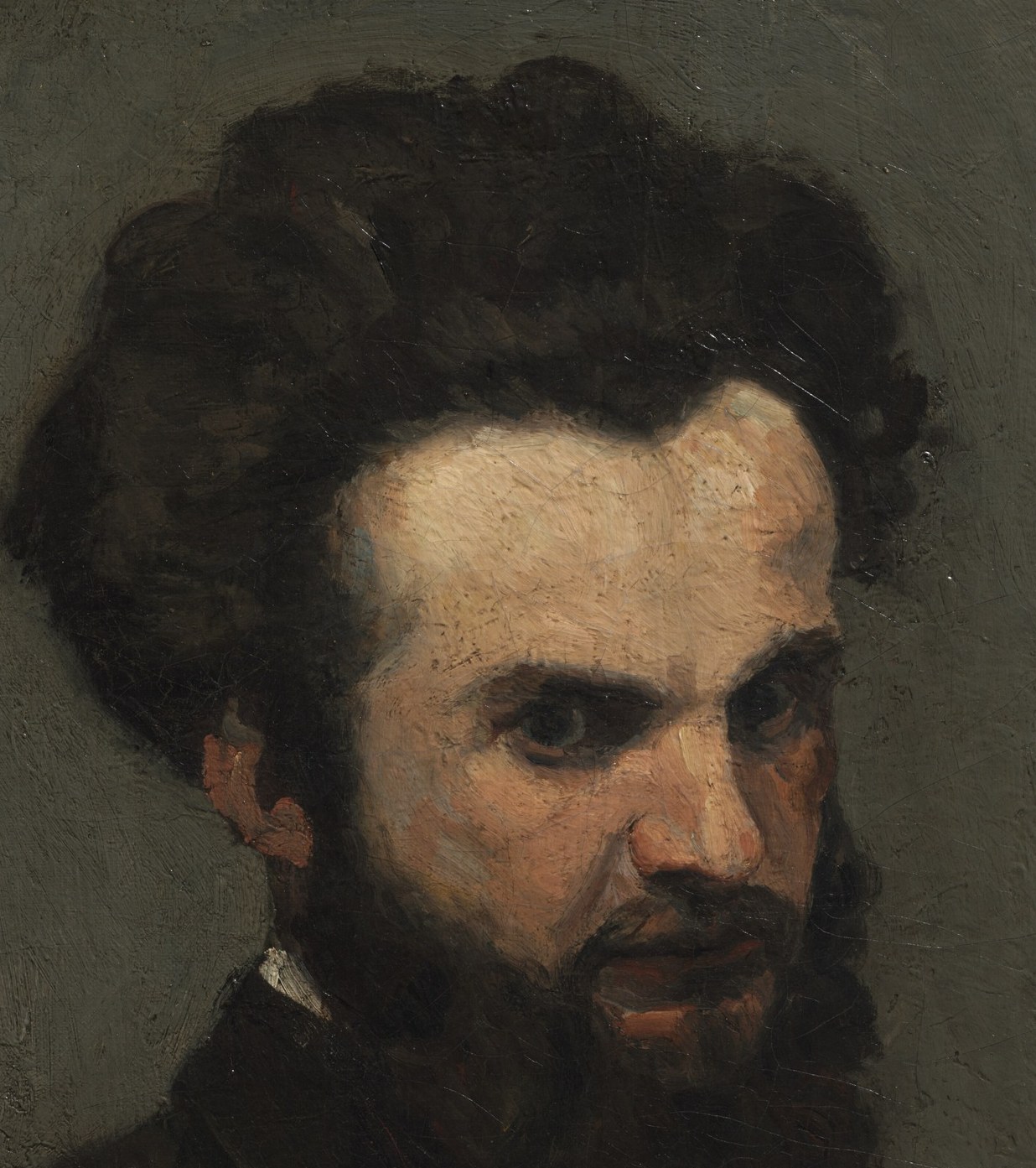
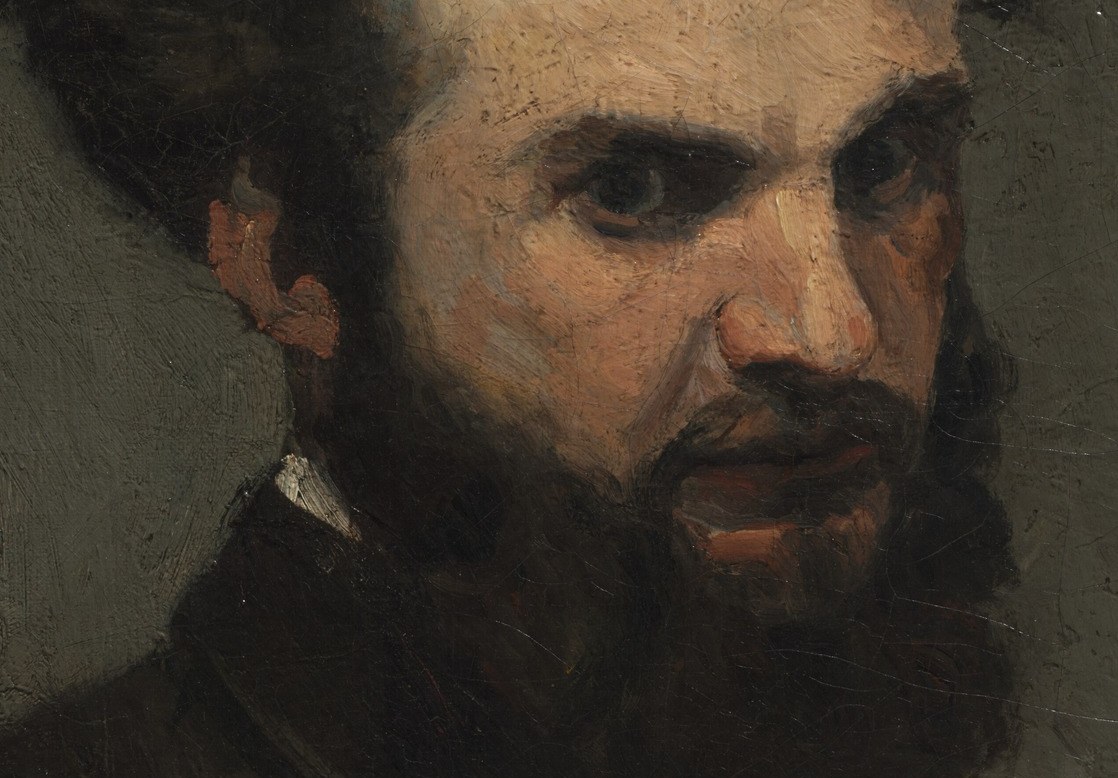
Armand Guillaumin painted this self-portrait in 1873, and it hangs today at the Cleveland Museum of Art. He was a founding member of the Impressionist group, showing work in the infamous 1874 exhibition that gave the movement its name, yet he’s far less known than his friends Cézanne and Pissarro. The reason is practical: Guillaumin kept his night-shift job with the Paris highways department until he won the lottery in 1891. For eighteen years he painted the avant-garde by day and dug ditches by night.
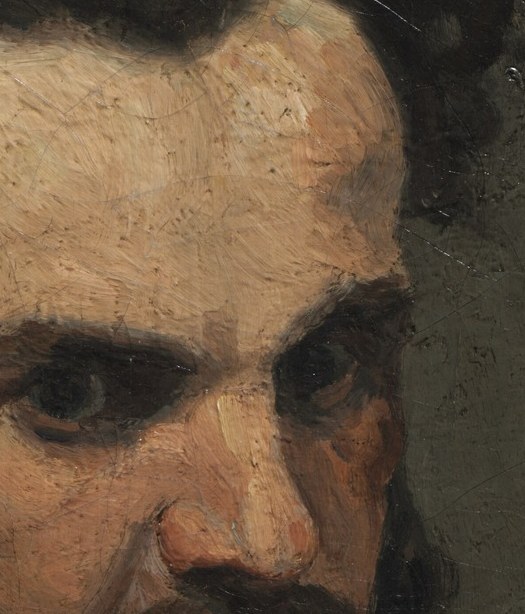
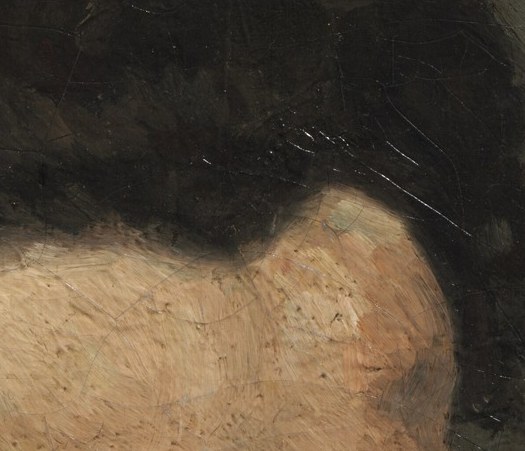
Look first at the thickness of the paint on his right cheek. Guillaumin used an impasto technique, laying down heavy, unblended strokes that make the surface feel worked and alive. Then let your eye drift to the nearly black background, it is not empty. The upper right corner bleeds a warmer tone where the hair meets the ground, and the edges dissolve into unresolved brushwork, a signature of Impressionist speed.
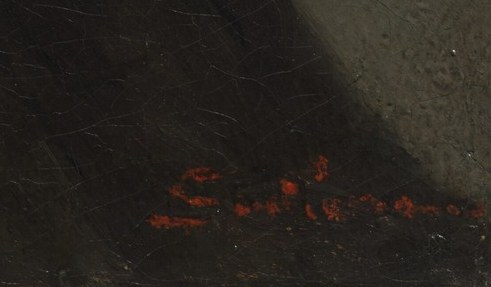
The most telling detail is the one most people scroll past: a faint inscription in the lower-right corner. It is barely legible, tucked into the darkness like an afterthought. The self-portrait is a record of a man who didn’t need to shout, he just needed to leave his name somewhere in the shadows, where it would wait.
Details
Transcript
This self-portrait is a storm of paint. Guillaumin built his own face with thick, muscular strokes. He was a founding Impressionist, but he kept his day job digging ditches. This is the face of a man who worked with his hands. The background dissolves into a near-total darkness. But in the lower right, a faint inscription hides in the shadow. A signature, placed in the void, as quiet as the man himself.