Saint Francis by Federico Barocci
Federico Barocci painted Saint Francis around 1600 in oil, and it sits in The Metropolitan Museum of Art. It looks like a quiet, conventional devotional picture. But the painter behind it survived something out of a Renaissance crime story.
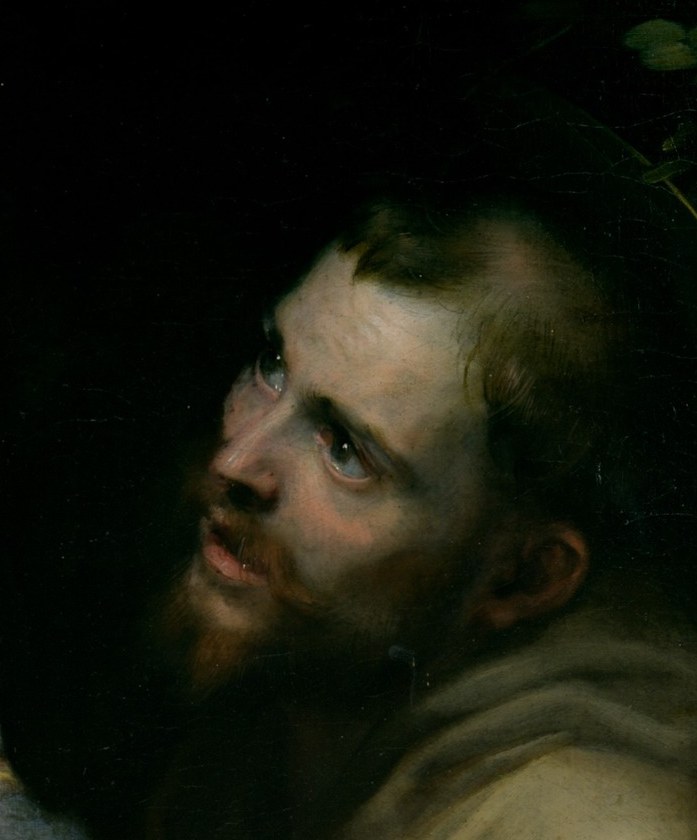
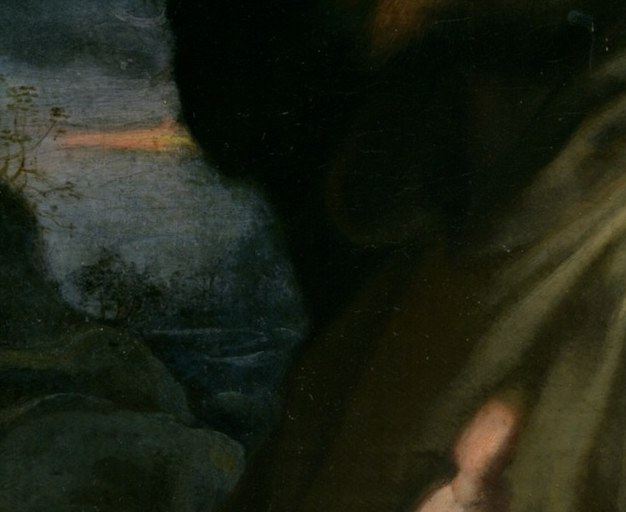
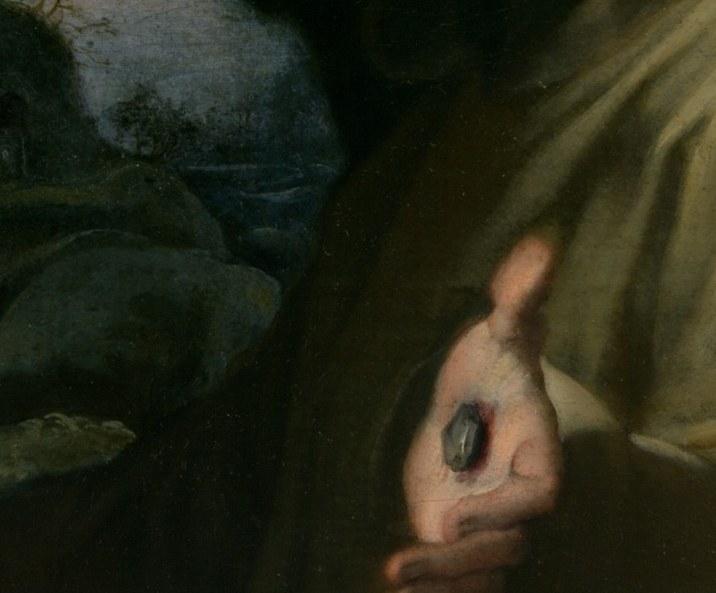
Look at the saint's chest. Francis received the stigmata, the wounds of Christ, yet Barocci hides the chest wound beneath the habit. He knew exactly what he was doing. The drama is not on the skin; it is in the face, the hands, the softened light.
Barocci was the most celebrated painter in central Italy. A rival poisoned him. He survived, but for decades his body was wrecked: chronic pain, fierce stomach trouble, bouts of depression. He could paint only in the fading evening light, at dusk. Everything he made came through a physical filter of suffering.
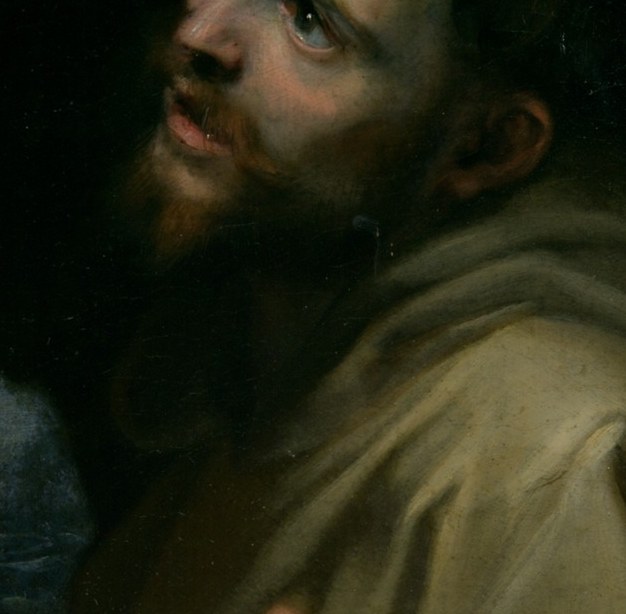
He never painted the poisoner, never painted revenge. He painted tenderness: gentle sfumato, forgiving warmth. Look at the beard and neck here. That soft transition from skin to hair is the very technique that influenced Rubens. It's not just style. It's a painter choosing softness, every single day, while his own body gave him every reason to be hard.
How much does knowing the artist's private ordeal change what you see in the face of his saint?
Details
Transcript
He painted saints everyone wanted. Steady commissions, steady respect. Now look at the habit opening, hidden right where the chest would be wounded. He deliberately withholds the one symbol everyone expects: the stigmata. Barocci knew pain from the inside. A rival poisoned him, badly. His stomach was ruined. For decades every painting cost him agony. He worked only at dusk, when the light was gentle enough to bear. So every softened edge, every warm glow, was hard-won. True tenderness from a broken body.