Peasant Woman Digging Up Potatoes by Vincent van Gogh
Vincent van Gogh's "Peasant Woman Digging Up Potatoes," painted around 1885, is a powerful study of agrarian life, now housed at the Royal Museum of Fine Arts in Antwerp.
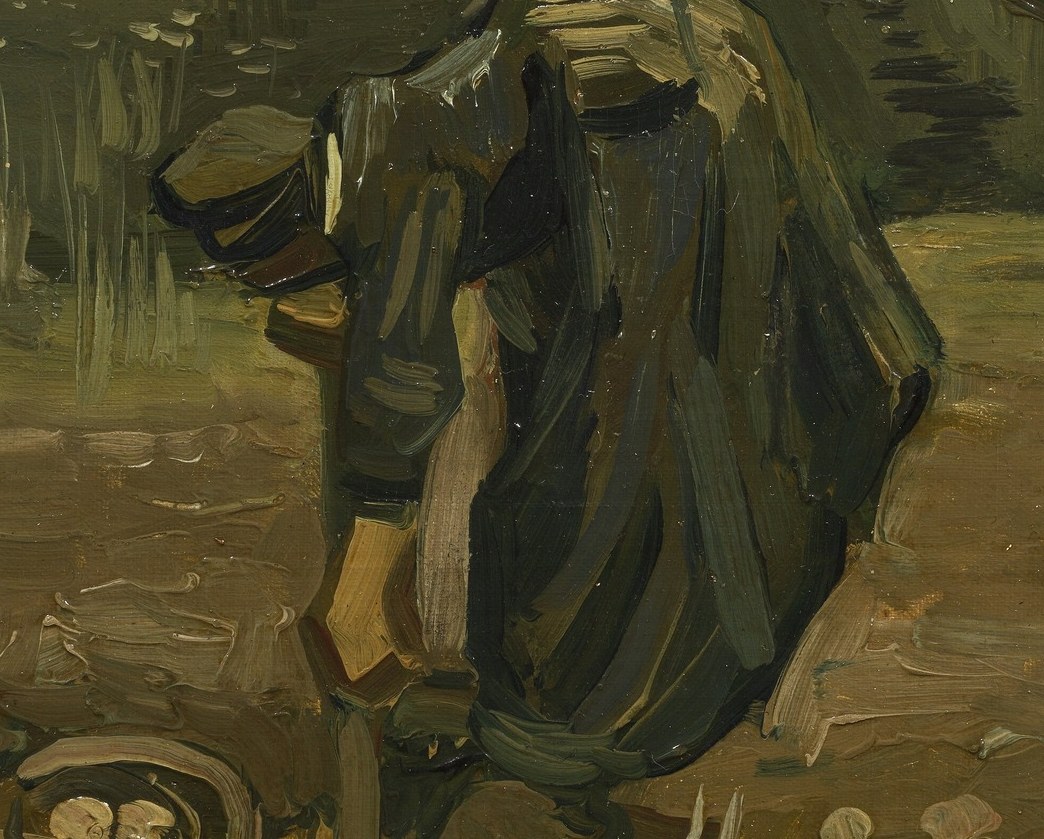
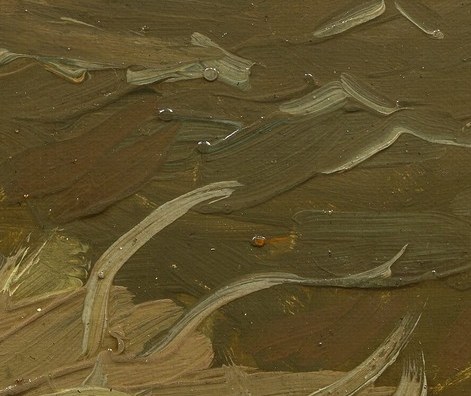
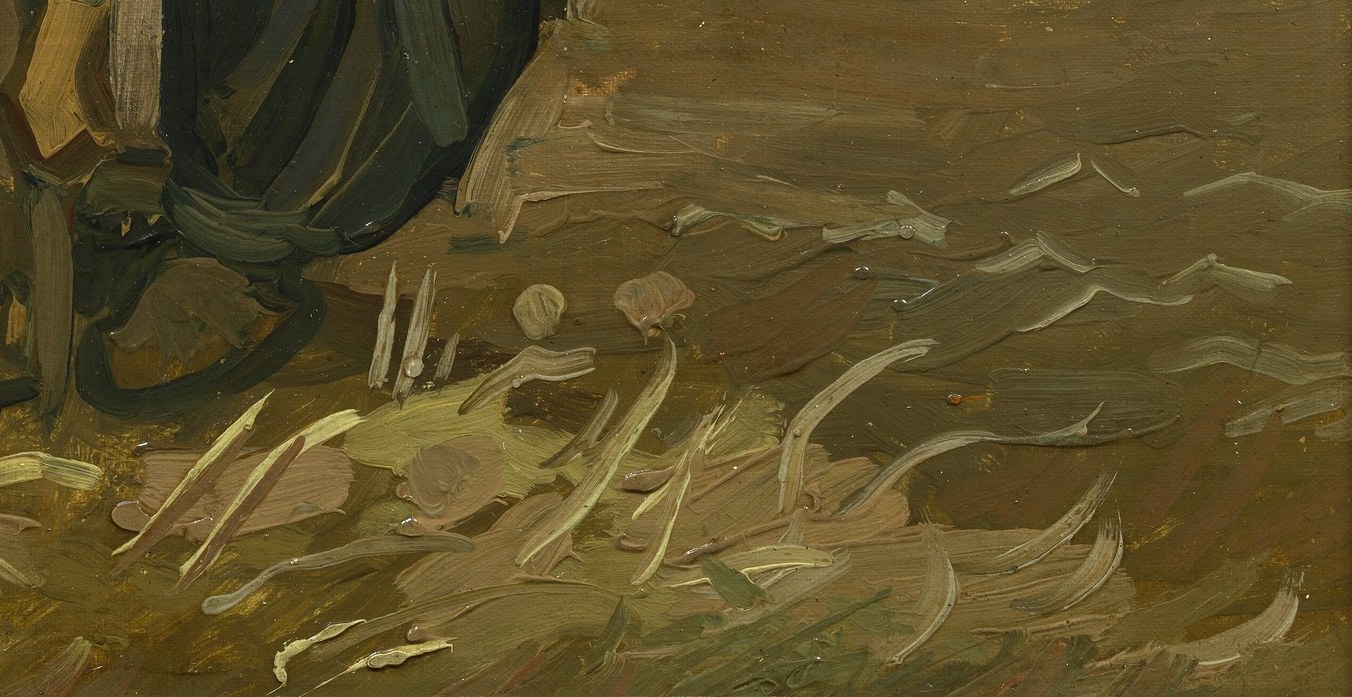
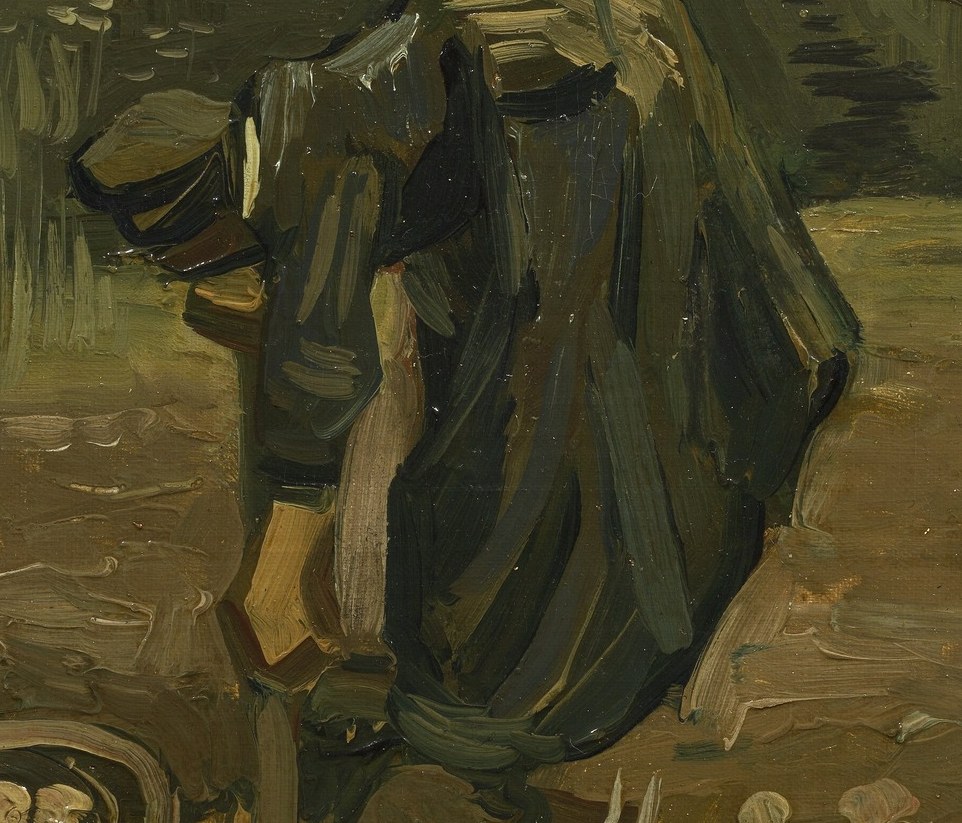
Notice the robust brushstrokes, especially on the pile of potatoes, which seem to glow with fresh earth. The woman's hunched posture and simple, worn shoes speak volumes about the physical demands of her labor and the challenging environment.
During this period, van Gogh was deeply influenced by French realist Jean-François Millet and saw the working peasants as noble and pious figures. He created several 'clog works,' as he called them, focusing on the dignity and hardship of rural life in the Netherlands, where the poor soil made survival difficult.
This painting captures a quiet moment of tireless effort, a testament to the human spirit in the face of adversity. What do you see in her dedication?
Details
Transcript
In 1885, this artist painted the dignity of hard labor. He was influenced by Jean-François Millet, a master of peasant scenes. Van Gogh called these paintings his 'clog works,' for their humble subjects. See the thick paint on the newly unearthed potatoes. The poor soil of Holland made survival almost impossible for farm workers. But the artist saw these workers as noble and devout.