A Roman street scene by Albert Küchler
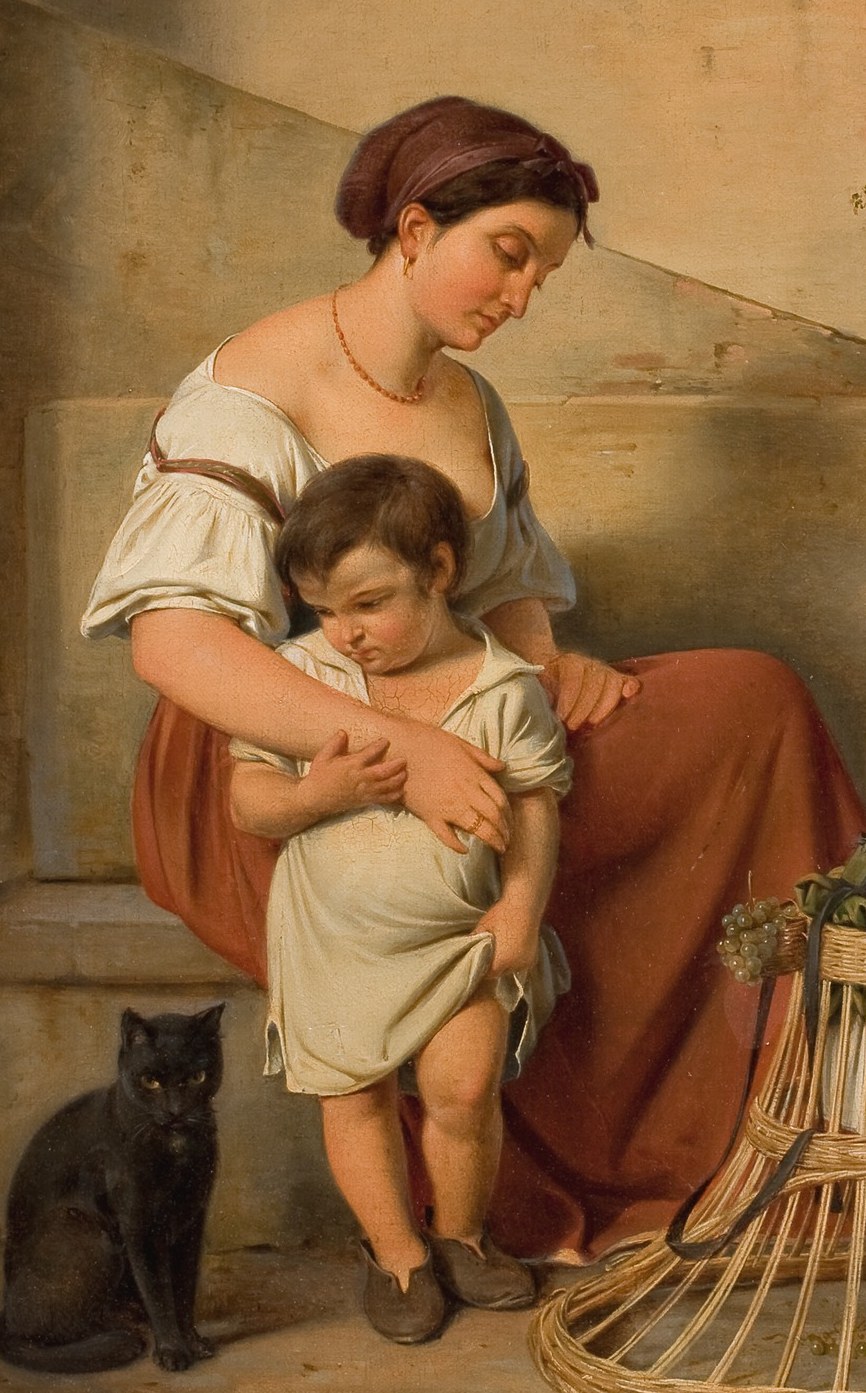
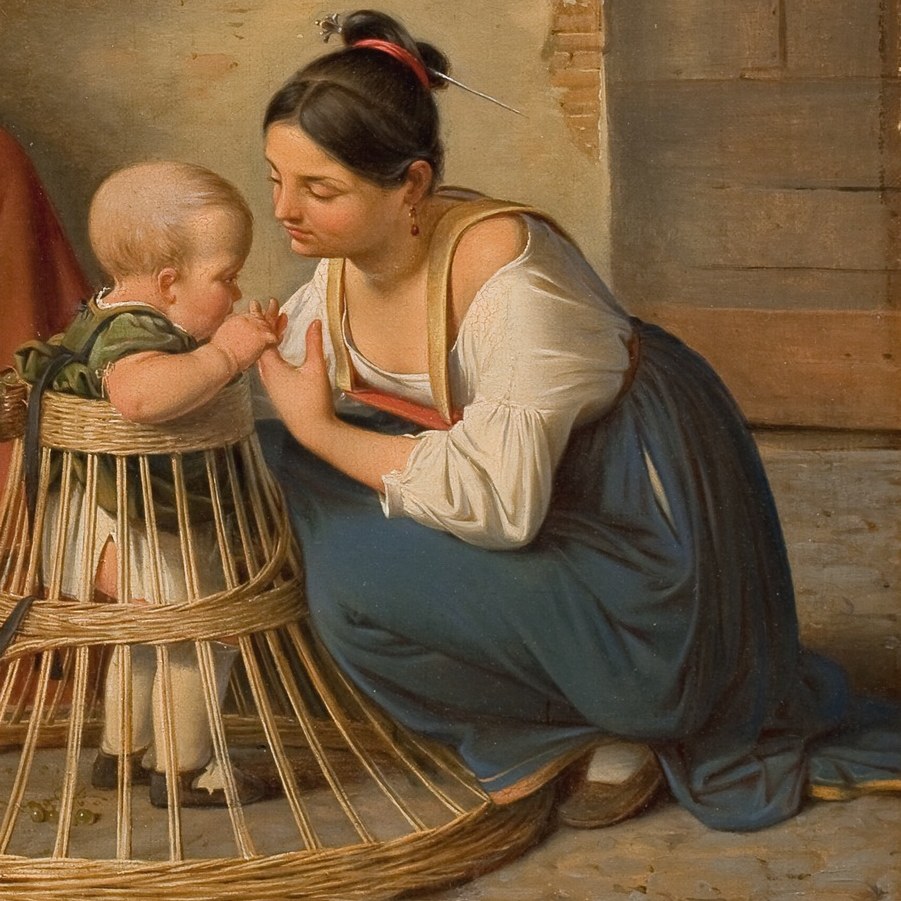
This tranquil “A Roman street scene,” painted by Albert Küchler in 1833, is more than just a glimpse into everyday life. It captures a moment from an artist's career just before a profound, life-altering decision. The painting is part of the collection at Statens Museum for Kunst.
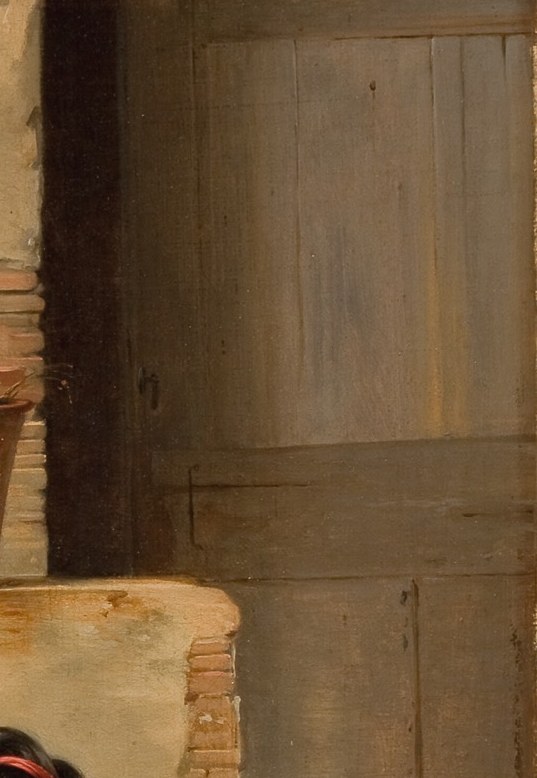
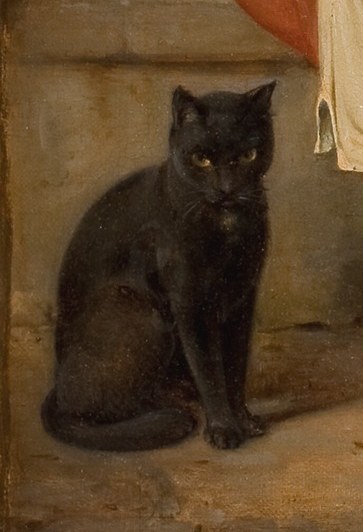
Notice the warm, sun-drenched courtyard and the gentle interactions between the figures. Küchler's attention to detail, from the textured brick wall to the attentive black cat, draws you into this serene world.
Küchler, a Danish Golden Age painter, was highly regarded in his time. However, a decade after painting this scene, he underwent a dramatic conversion to Catholicism, becoming a Franciscan monk. He took the name Brother Peter of Copenhagen and spent the rest of his life in a monastery in Italy, never returning to Denmark.
The painting thus offers a poignant look at the life he chose to leave behind. What might have led him to such a significant change?
Details
Transcript
This Roman street scene was painted by a Dane in 1833. The painter was Albert Küchler, well-known in his day. He moved to Rome as a young artist, like many Danes. But Küchler converted to Catholicism in 1844. He became a Franciscan monk, Brother Peter of Copenhagen. He lived out his life in a monastery, never returning home. This quiet domestic moment was painted before he left the world.