Mäda Primavesi (1903–2000) by Gustav Klimt
Gustav Klimt's 1912 portrait, "Mäda Primavesi," at The Metropolitan Museum of Art, is renowned for its decorative style and the subject's poised, youthful gaze. But beneath the surface of stylized flowers and bold patterns, Klimt often wove in small, unexpected details that reward a closer look.
The ten-year-old Mäda stands confidently, her dress adorned with vibrant floral motifs characteristic of Klimt's work. The painting is a beautiful example of how Klimt blended figurative art with the ornamental style of the Vienna Secession.
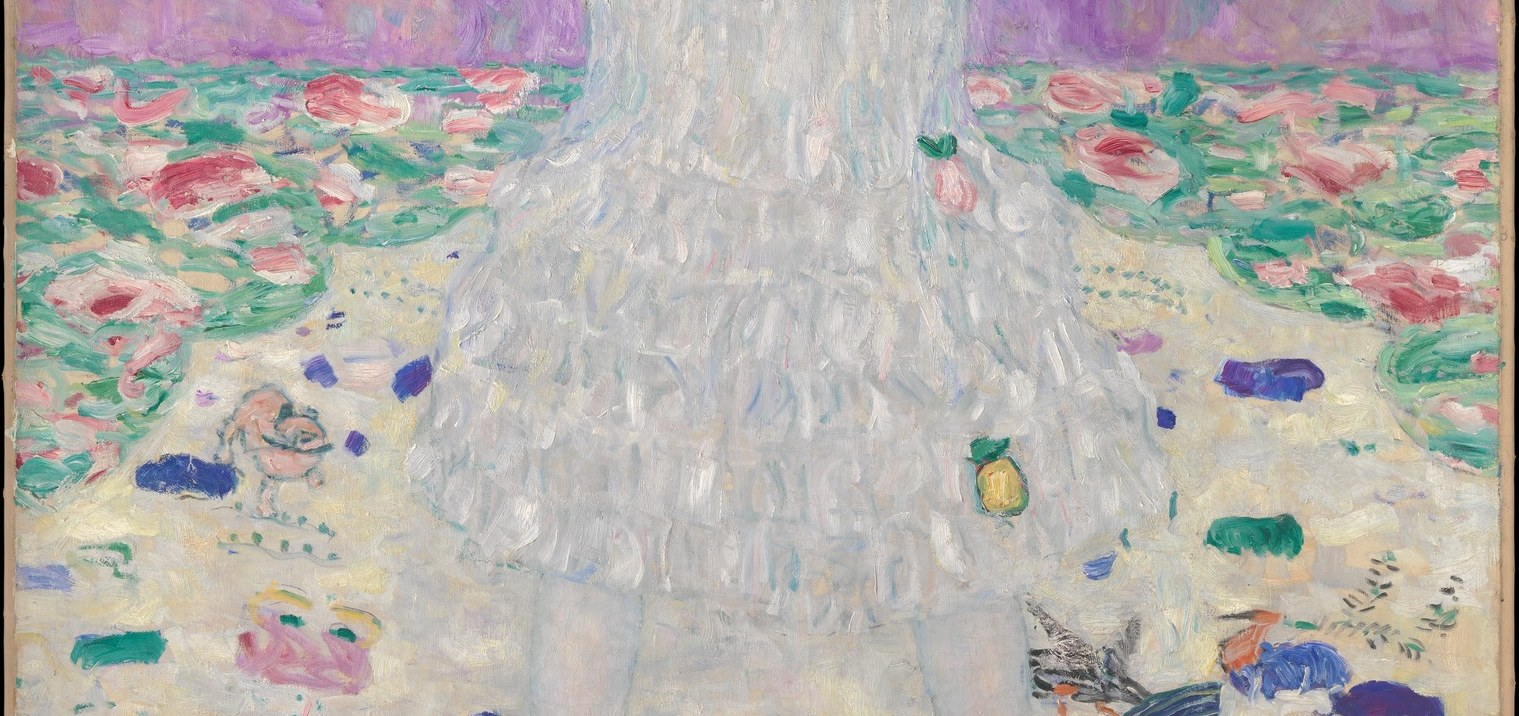
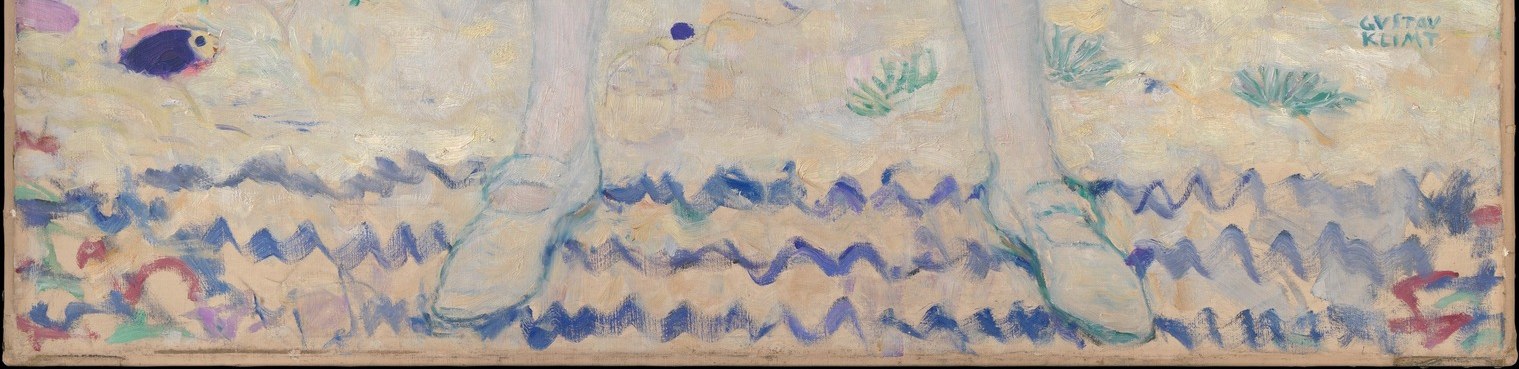
Take a moment to examine the foreground and the decorative border at the bottom. You might spot a tiny blue fish swimming through the patterns, and a small, almost hidden bird figure, adding a touch of whimsy and perhaps a subtle layer of symbolism to this striking portrait. These details remind us to look beyond the obvious beauty in art.
What other hidden details do you think Klimt might have included in his portraits?
Details
Transcript
This is Klimt's portrait of Mäda Primavesi, age ten. She stands solemn and poised, amid a field of stylized flowers. Even her dress is decorated with colorful, modern patterns. Klimt often included hidden symbols in his decorative works. Look closely at the pattern along the bottom edge. There, a small blue fish swims through the pattern. And a tiny bird, nearly lost in the design.