Flemish Market and Washing Place by Jan Brueghel, the elder
Did you know some masterpieces were made by more than one artist? "Flemish Market and Washing Place," painted around 1620 by Joos de Momper and Jan Brueghel the Elder, is a fantastic example of artistic collaboration from the 17th century, now housed at the Museo del Prado.
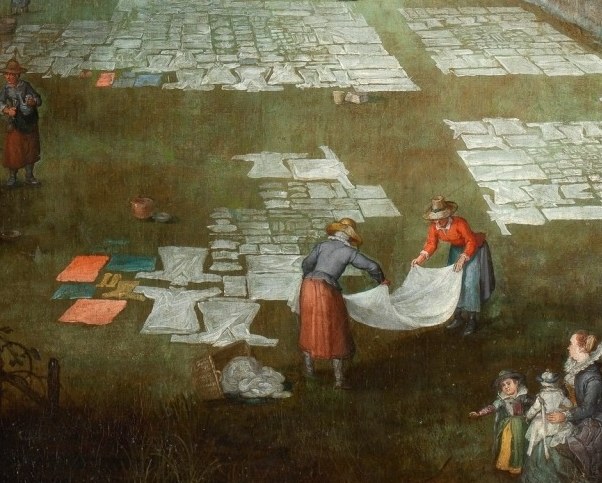
Observe the bustling market crowd and the domestic scene of laundry drying, details likely added by Brueghel. His ability to animate a scene with small, lifelike figures was renowned, and he often contributed these to other painters' landscapes.
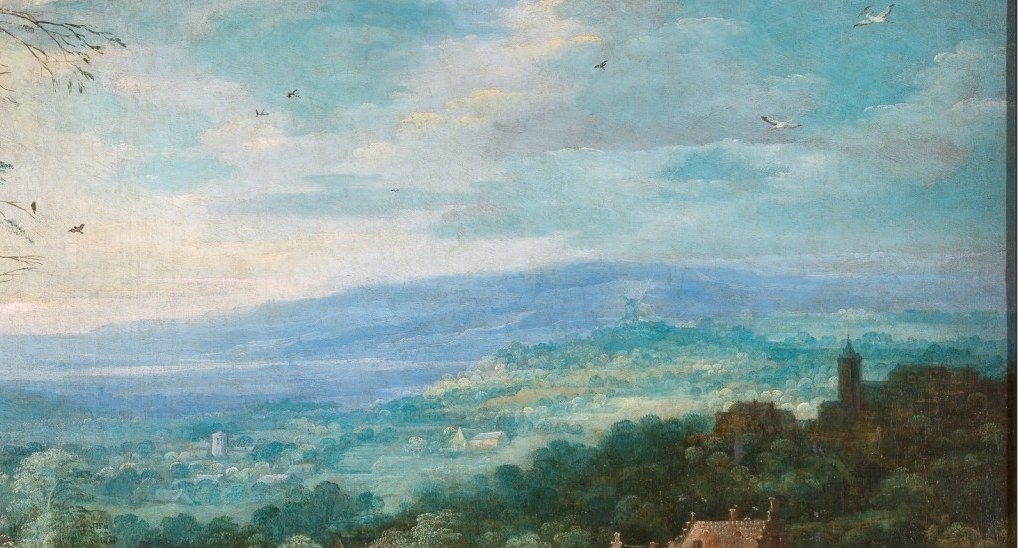
Joos de Momper, celebrated for his sweeping landscapes, would have established the grand vistas and architectural elements. This collaborative approach allowed each artist to focus on their strengths, creating a rich and detailed narrative that neither might have achieved alone. This practice was quite common in Flemish art studios of the period.
This painting invites us to appreciate not only the individual brilliance of these artists but also the fascinating ways they worked together. What other hidden collaborations might exist in art history?
Details
Transcript
A busy market, a washing place: life in a 17th-century town. This painting is believed to be a collaboration between two artists. Joos de Momper likely painted the extensive landscape. While Jan Brueghel the Elder added the lively figures. Brueghel often collaborated, specializing in figures and animals. This shared canvas created a unique blend of their styles.