Dr. Vignardonne by Gros, Antoine-Jean
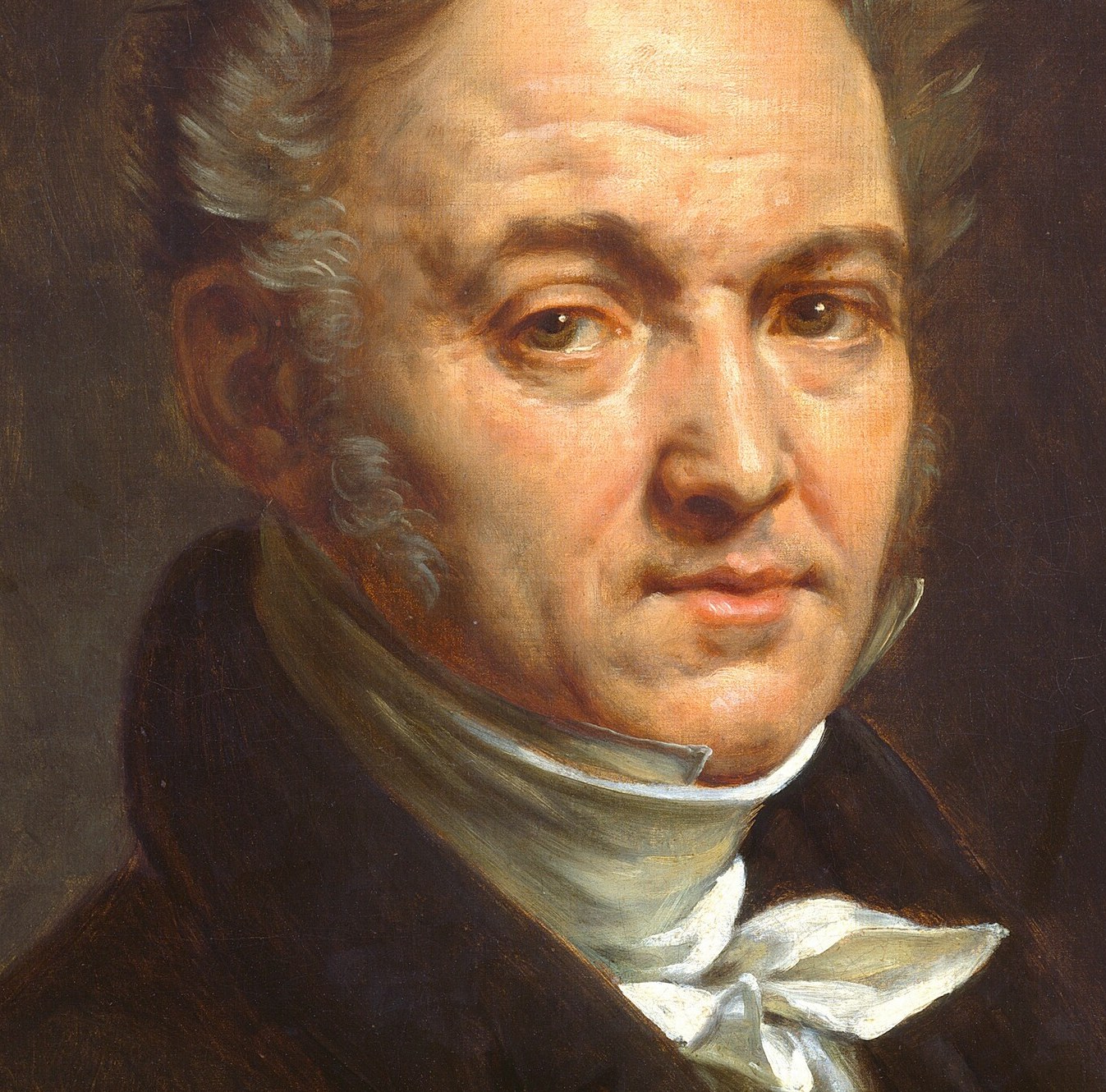
Painted in 1827, Antoine-Jean Gros's "Dr. Vignardonne" offers a fascinating look at the appearance and social standing of a respected professional in early 19th-century France. Gros, who was made a Baron in 1824 and was known for his grand historical and battle scenes, here turns his attention to an individual portrait.
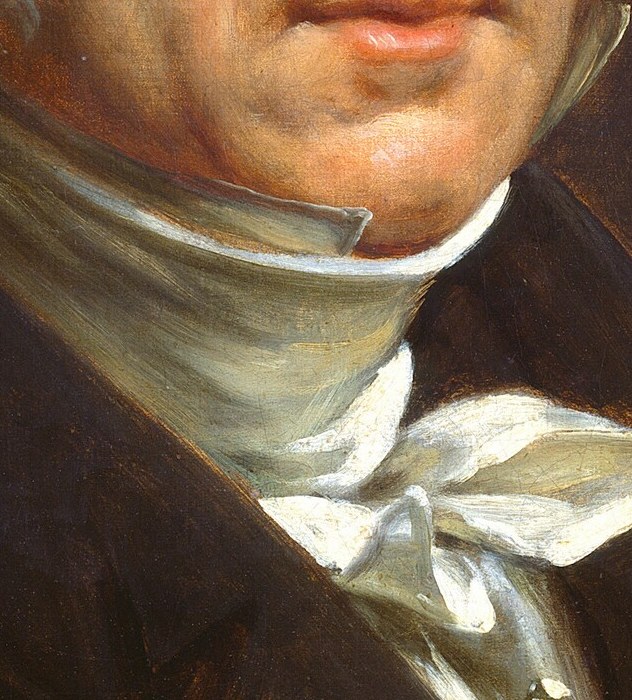
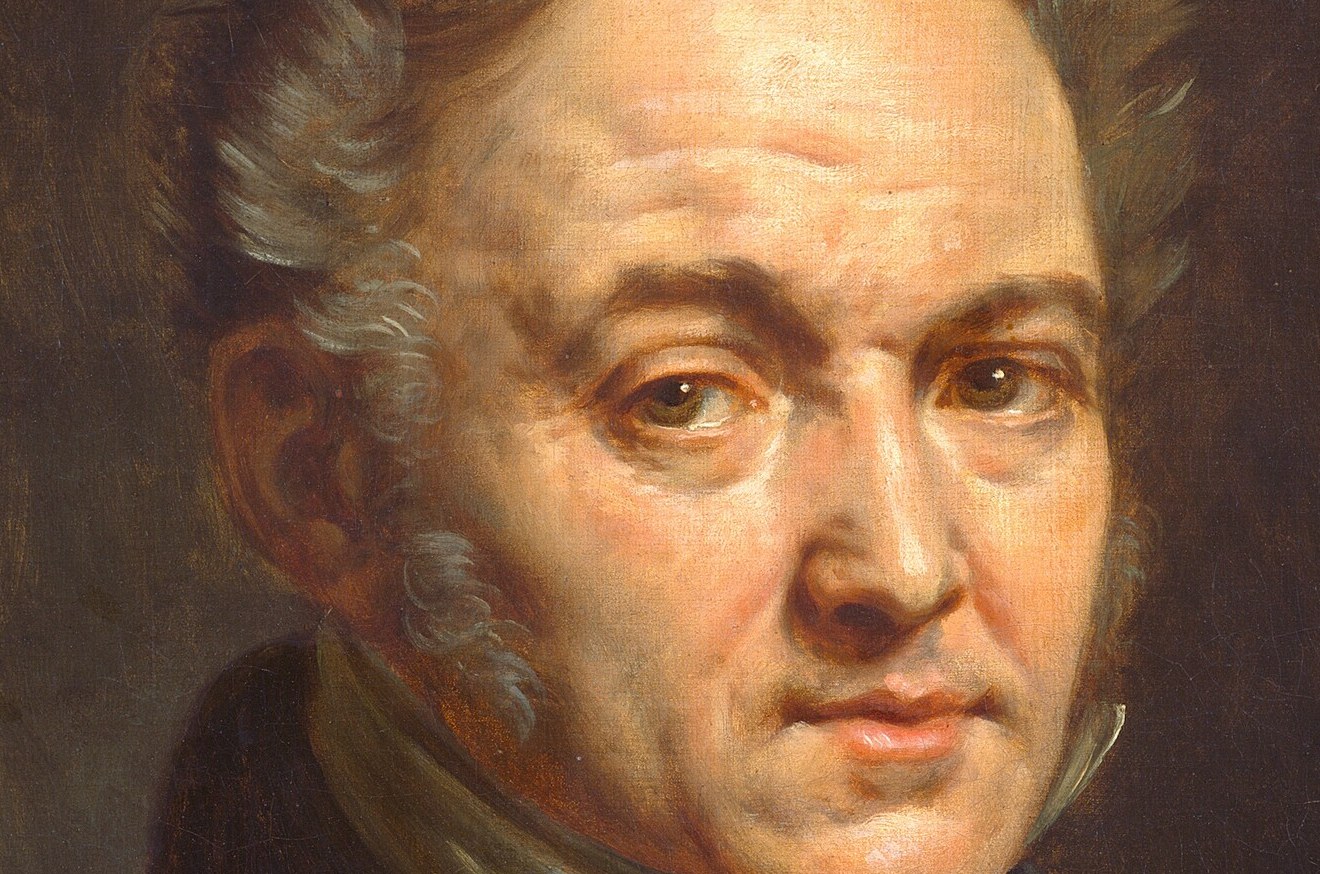
Look closely at the details that speak to Dr. Vignardonne's status. His meticulously tied white cravat, a symbol of refinement at the time, stands out against his dark coat. The subtle play of light and shadow on his face brings a lifelike quality to his expression, conveying a sense of gravitas and quiet dignity.
Gros's training under Jacques-Louis David is evident in the academic precision of the portrait, yet it also shows touches of the emerging Romantic era's interest in atmospheric effects. While not much is known about Dr. Vignardonne himself, the painting serves as a window into the visual conventions of portraiture and professional representation of the period.
What do you notice about his expression?
Details
Transcript
This portrait was painted in 1827, in France. The painter, Baron Antoine-Jean Gros, usually painted battles. He captures the dignified presence of Dr. Vignardonne. His crisp white cravat shows refinement and status. The subtle shadows give his face a lifelike presence. This is how a respected professional would look in 1827.