Joseph-Henri Altès (1826–1895) by Edgar Degas
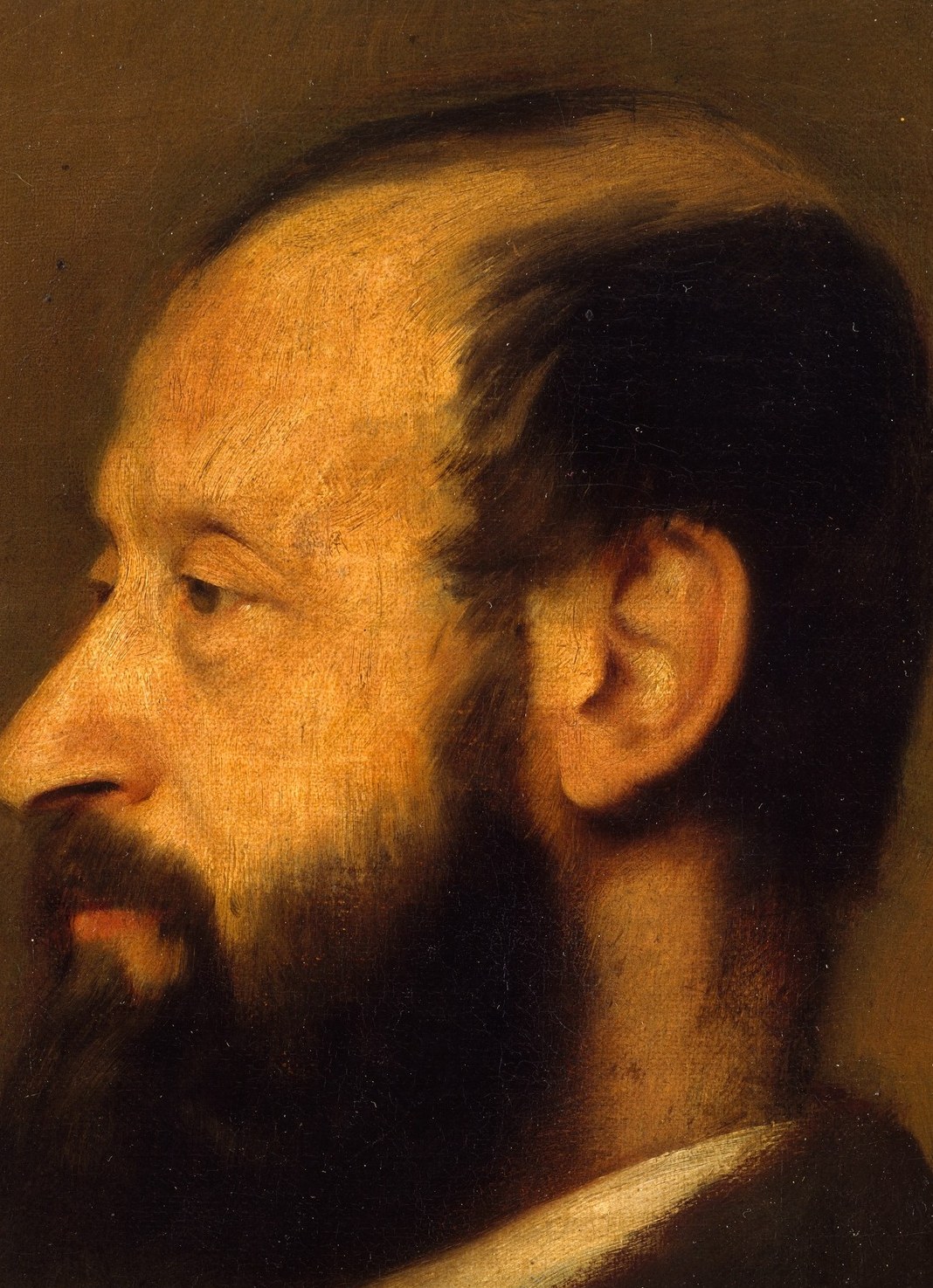
This is Edgar Degas's portrait of Joseph-Henri Altès, painted in 1868 and now at The Metropolitan Museum of Art. It is a quiet, early work from a moment before ballet dancers and laundresses took over his canvases, when Degas was turning his unsentimental eye toward the professional class of the Paris Opéra.
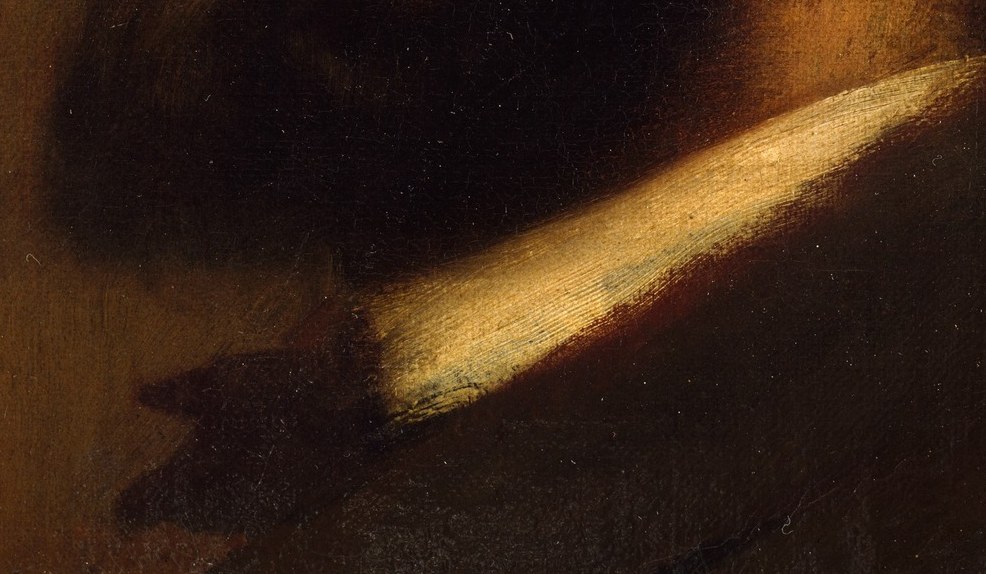
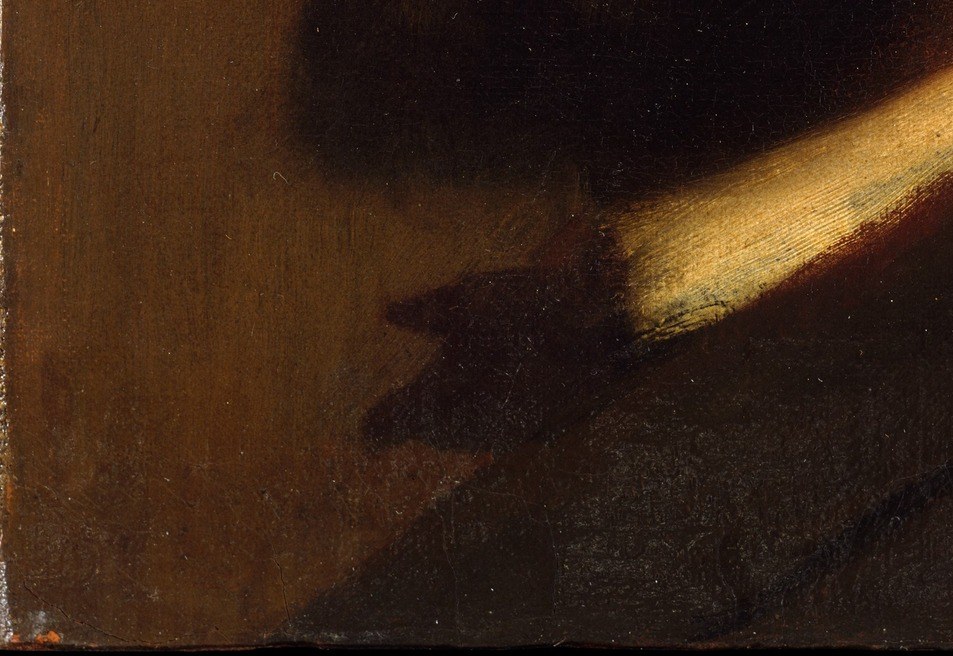
Look at the single visible eye in profile. It does not engage us. Altès, the Opéra's principal flutist, looks downward in private concentration, not performance. The stark white collar is the sharpest value in the painting, a crisp social marker of bourgeois respectability. Degas lets the black jacket dissolve into the warm ochre background almost entirely, a deliberate tonal merger that pushes all attention upward to the face.
Degas was 34 when he painted this. He had abandoned legal studies and history painting ambitions, and was just beginning to document modern Parisian life with the compositional discipline he had learned copying Renaissance masters in Italy. The portrait captures a musician at the height of his career, rendered with the same rigorous observation Degas would later bring to the rehearsal rooms and orchestra pits that made him famous.
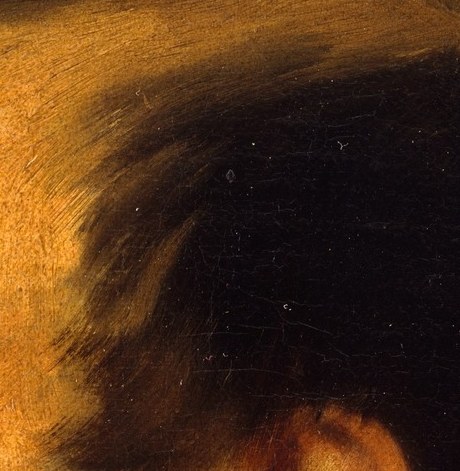
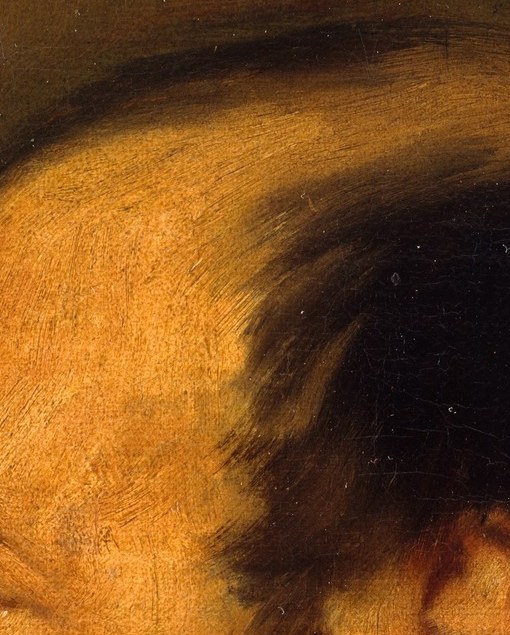
The face is the whole story here. The strong aquiline nose, the loaded brushstroke on the temple, the firm jaw catching a sliver of light. It is a portrait of conviction, painted by an artist who believed that drawing many lines could hold a person still forever.
Details
Transcript
Paris, 1868. The Opéra is the center of power. This man was its principal flutist. He sat for Degas, who was just beginning to watch musicians. His eye is not looking at us. It rests in private thought. The white collar is a social signal. A respectable professional. Degas dissolves the jacket into the background. Everything yields to the face. Character over costume.