The Senses of Hearing, Touch and Taste by Jan Brueghel, the elder
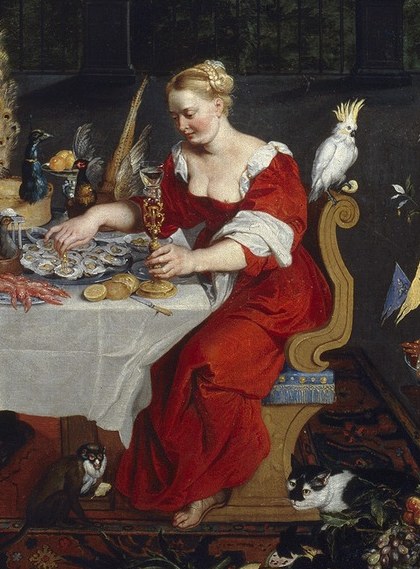
Jan Brueghel the Elder's *The Senses of Hearing, Touch and Taste*, painted around 1618, is a vibrant allegorical exploration of human perception, housed in Madrid's Museo del Prado. This work is a testament to the artist's skill in depicting the richness of sensory experience.
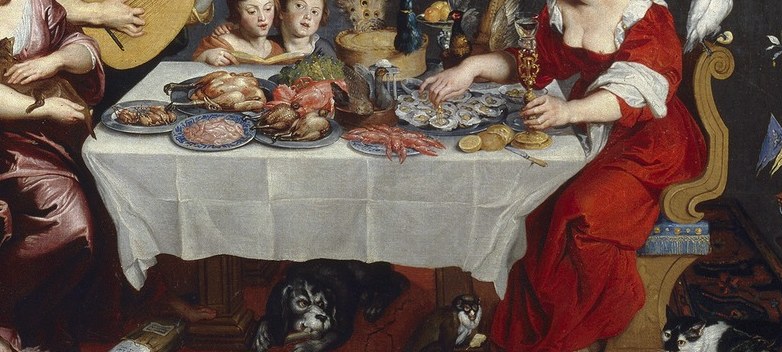
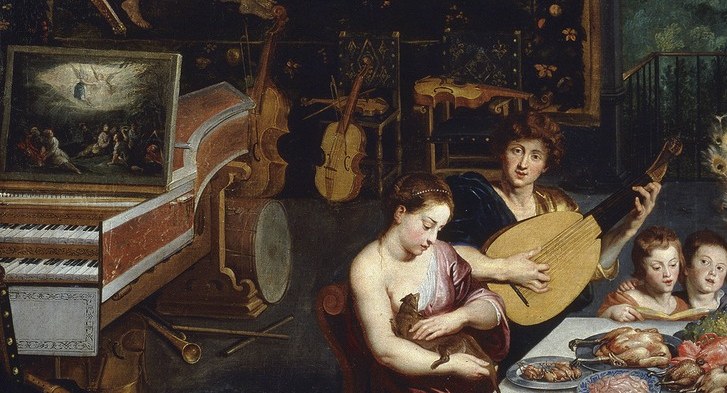
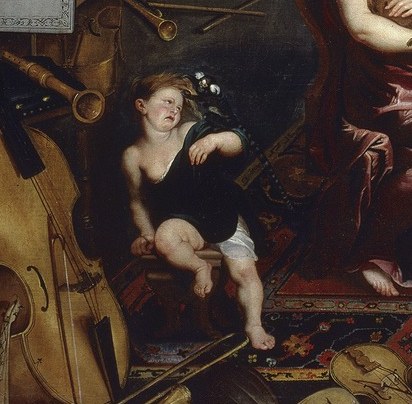
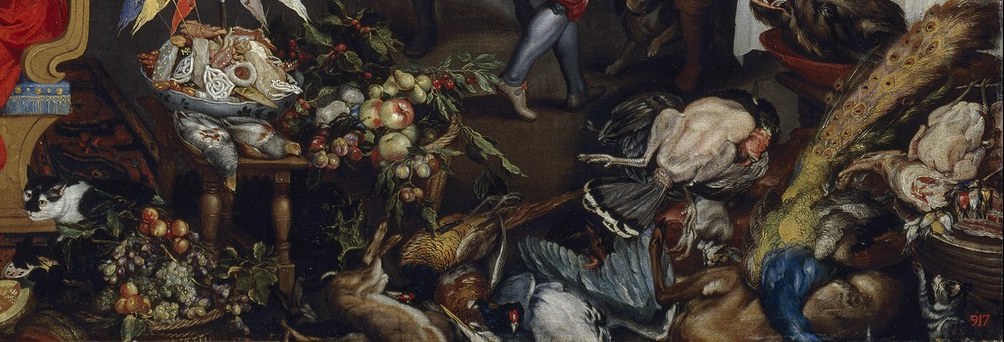
Look closely at the lavish table setting, overflowing with fruits and oysters, representing taste. Nearby, musical instruments like a lute and flute capture the essence of hearing, while the gentle interaction between a child and a dog under the table invites contemplation of touch.
Created during the Flemish Baroque period, this painting exemplifies Brueghel's meticulous attention to detail and his ability to weave complex themes into visually stunning compositions. He was renowned for his versatility and often collaborated with Peter Paul Rubens.
What sensory experience do you find most compelling in this scene?
Details
Transcript
This is a celebration of human senses. Taste is shown in this abundant table. Hear the lute and the flute being played. And touch the dog here. The painter was Jan Brueghel the Elder. He painted this in 1618. He was a master of detail.