William Pitt by Dupont, Gainsborough
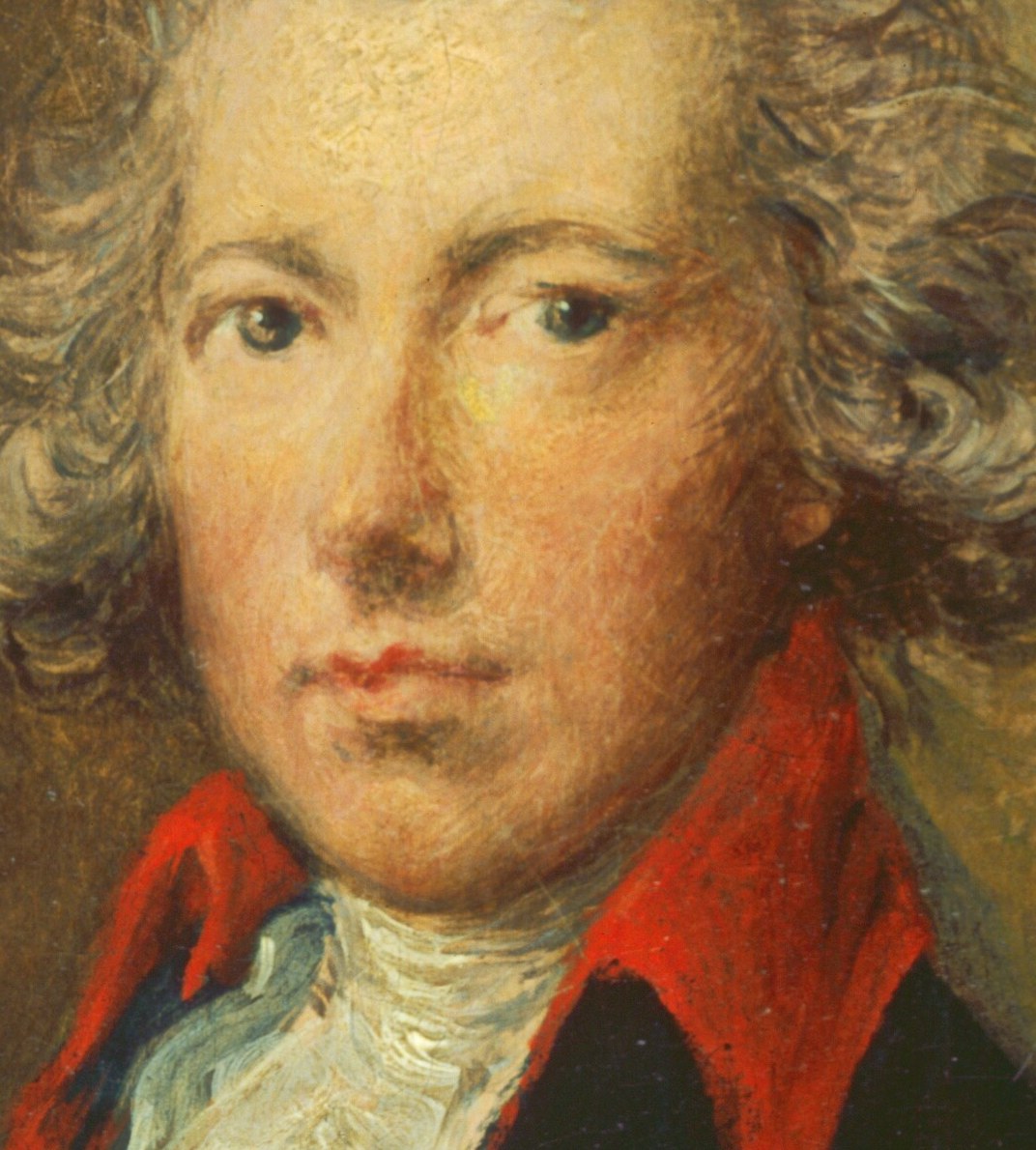
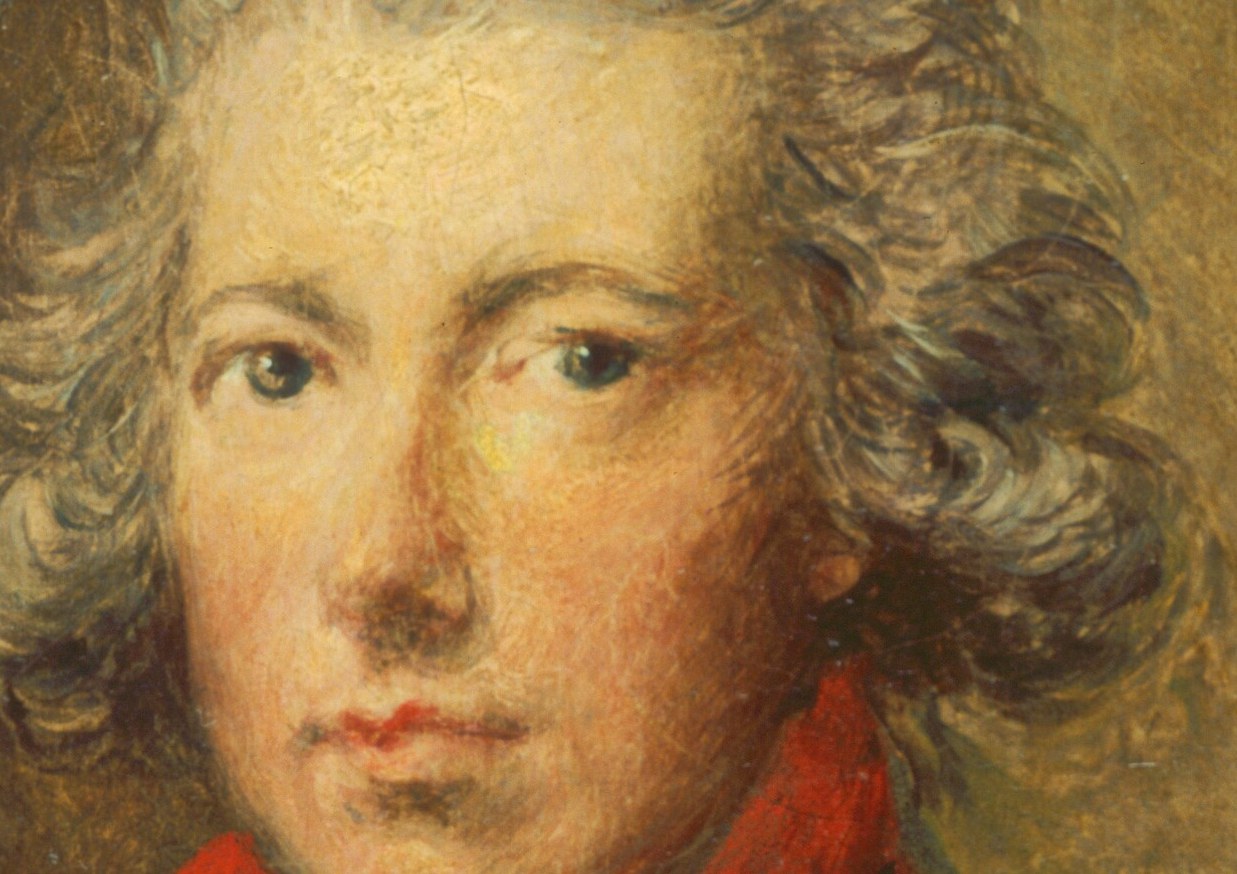
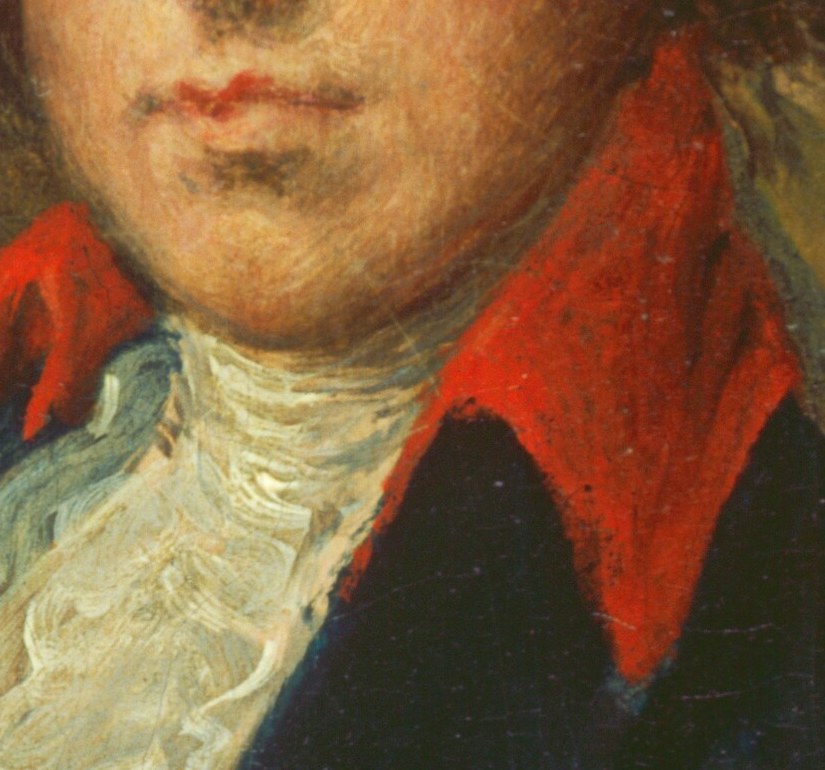
This portrait of William Pitt by Gainsborough Dupont, painted in 1792, is an oil-on-board work in the neoclassical style, held at an unknown museum.
While seemingly conventional, this portrait holds a fascinating detail about its authorship. The artist, Gainsborough Dupont, was the nephew and apprentice of the celebrated Thomas Gainsborough. Dupont learned directly from his famous uncle, and his work often reflected the master's influence.
Historically, it was not uncommon for apprentices or studio assistants to sign their works, or have them attributed, with a connection to their more famous mentors. This practice could lend prestige and value to the younger artist's creations, helping them establish their own careers in the competitive art market of the 18th century.
It's a subtle reminder of the complex relationships and hierarchies within historical art studios, where a family name could open many doors.
Details

Transcript
This portrait of William Pitt seems conventional. But it has a famous name attached to it, subtly. It was painted by Gainsborough Dupont, nephew of Thomas Gainsborough. Dupont was his uncle's apprentice and studio assistant. So, Dupont's portraits sometimes carried his famous uncle's name. A powerful name, even when only partially true, adds value. It's a way for a young artist to enter the market.