南宋 馬和之 詩經豳風圖 卷|Odes of the State of Bin by Ma Hezhi
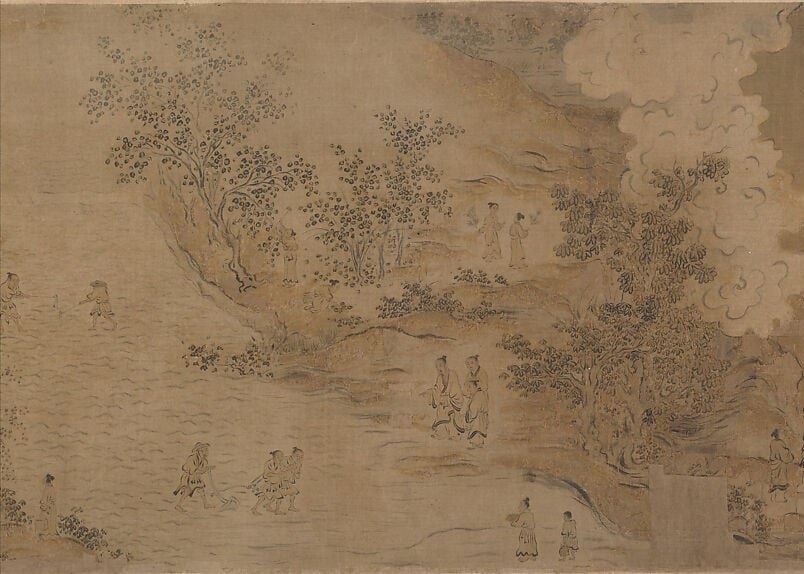
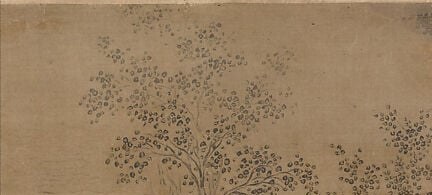
This is Odes of the State of Bin, a handscroll by Ma Hezhi from the mid-12th century, now in the collection of the Metropolitan Museum of Art.
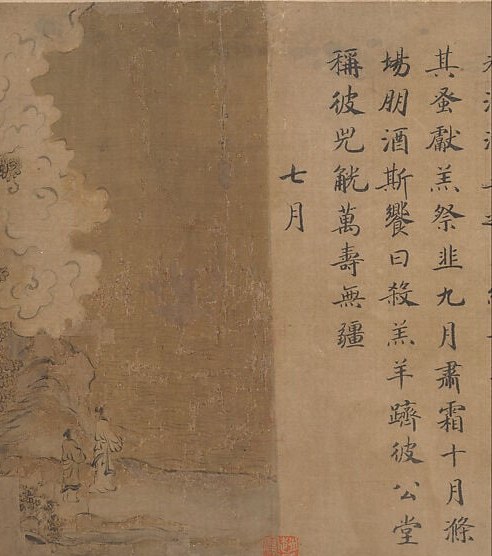
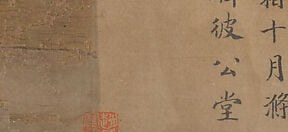
At first glance the right panel appears to be a caption for the painted landscape on the left. It is the opposite: the calligraphy is most likely the work of Emperor Gaozong himself, an accomplished artist who used this scroll to place his own hand alongside that of his court painter. What you are seeing is a deliberate co-authorship between ruler and artist, executed in ink, color, gold, and silver on silk.
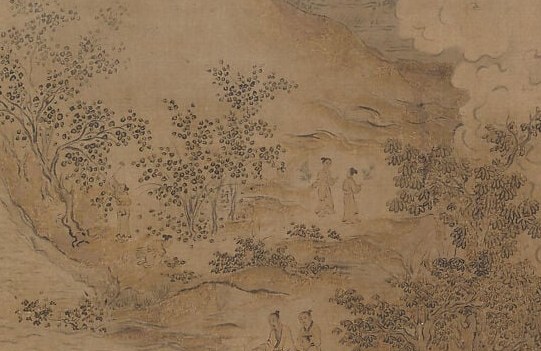
The painting illustrates scenes from the ancient Classic of Poetry, but its historical weight lives in the materials and the dynamic of its making. Ma Hezhi used a loose, calligraphic brushstroke for the figures and pressed gold leaf into the silk for the foliage, a rare mixed-media choice that lifts the trees into a semi-celestial register. The aged ochre silk ground gives the entire work its golden cast, a nine-century patina that is itself a record of time transforming pigment and substrate together.
This was not a quiet commission: it was an imperial statement. When you look at the right half, you are seeing the emperor's own voice in the Odes text. How many paintings can claim that kind of partnership?
Details
Transcript
It looks like a painting with captions. It is not. The right half is imperial calligraphy. Likely the hand of Emperor Gaozong himself. He was an accomplished artist and a powerful patron. This scroll is a true co-authorship between ruler and painter. A collaboration across ink, gold, and nine centuries of silk.