Marie Leszczynska, Queen of France, and the Dauphin by Alexis Simon Belle
Alexis Simon Belle's 1730 portrait, "Marie Leszczynska, Queen of France, and the Dauphin," found at the Palace of Versailles, beautifully encapsulates the immense pressure on royal women to produce heirs. Queen Marie Leszczynska bore ten children, yet this painting emphasizes the singular importance of her only son, Louis, the Dauphin.
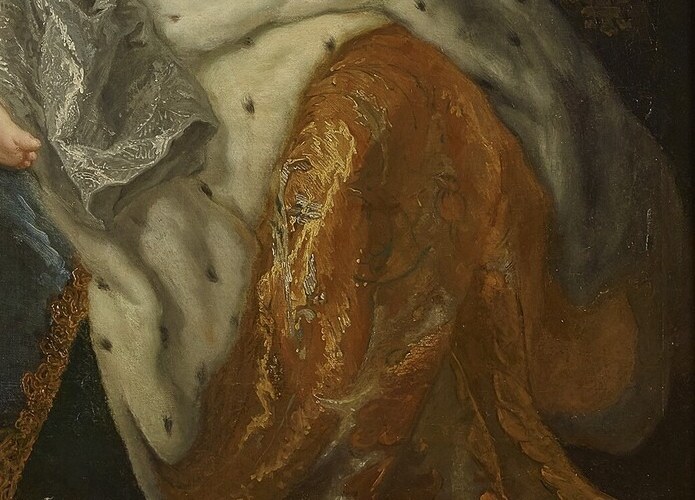
Notice the tender way the Queen's hand gently holds her son's, while his small hand reaches back. These gestures subtly reinforce their maternal bond and the vital lineage he represents for the French monarchy. The prominent fleur-de-lis pattern on the fabric further underlines his future role as king.
Belle, a prominent portraitist of French nobility, created this work in the Rococo style to reinforce the image of familial stability and dynastic continuity. This painting is not just a portrait, but a visual declaration of a nation's future, resting on the shoulders of this young boy.
What details do you find most striking in this portrayal of royal duty and affection?
Details
Transcript
Queen Marie Leszczynska had ten children, but only one son. He was the Dauphin, the longed-for heir to the throne. Her hand gently clasps his, showing their bond. His tiny hand reaches for hers, a symbol of royal succession. The fleur-de-lis pattern marks him as France's future king. Belle painted this to ensure the family's dynastic image.