Portrait of a Woman in a Rose Dress by http://www.wikidata.org/.well-known/genid/70ad7de7092491243bd5e2f773c69630
In Joseph Ducreux's "Portrait of a Woman in a Rose Dress" (circa 1800), housed at The Metropolitan Museum of Art, the artist demonstrates an incredible ability to render textures.
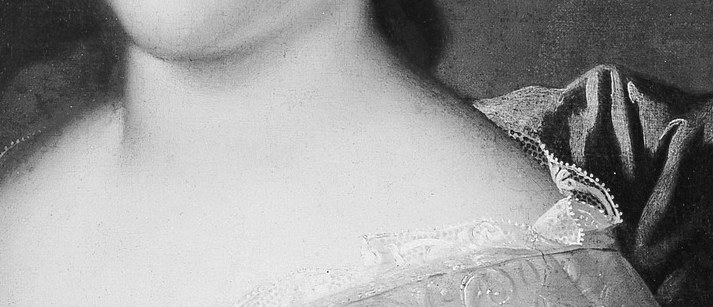
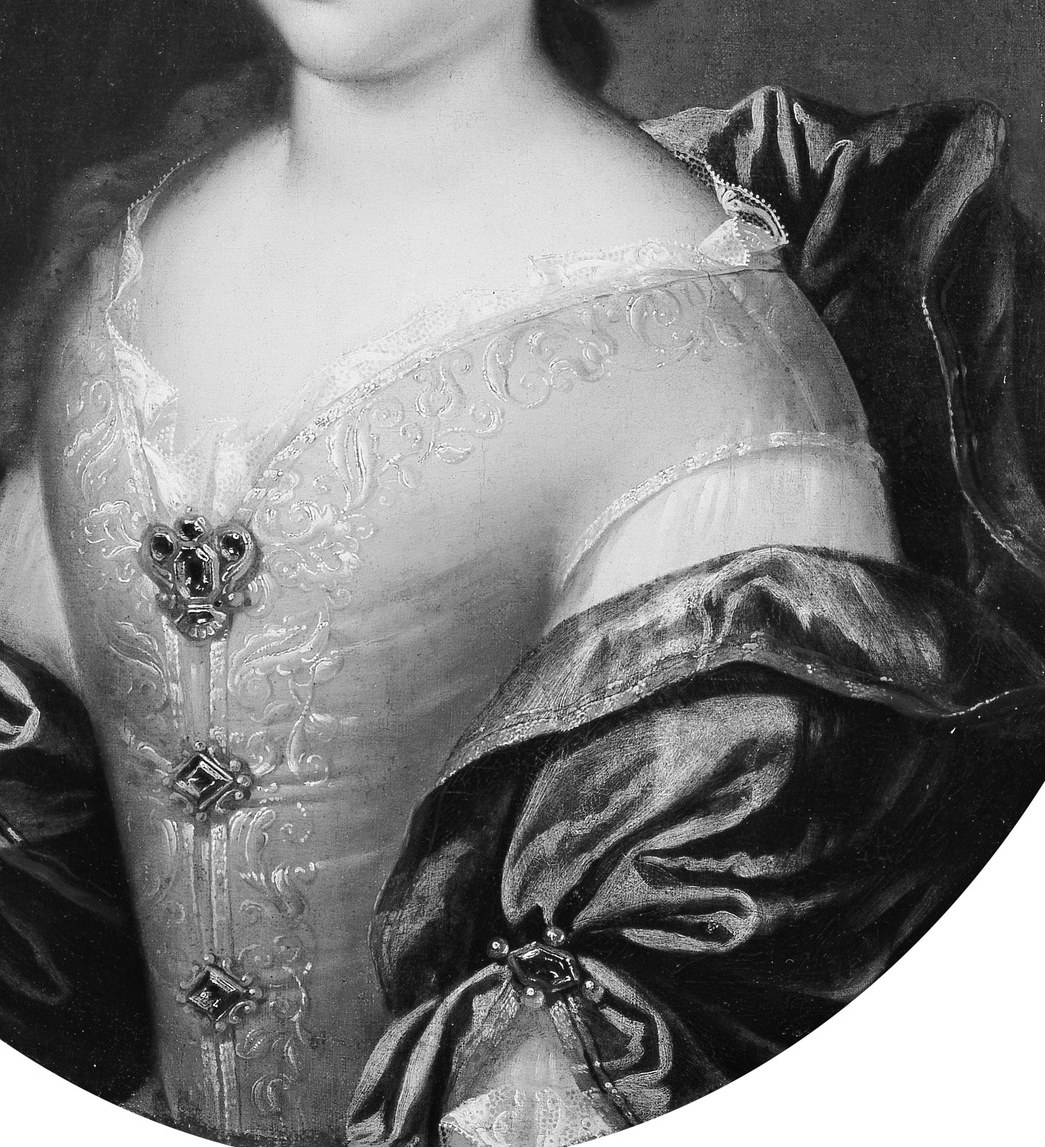
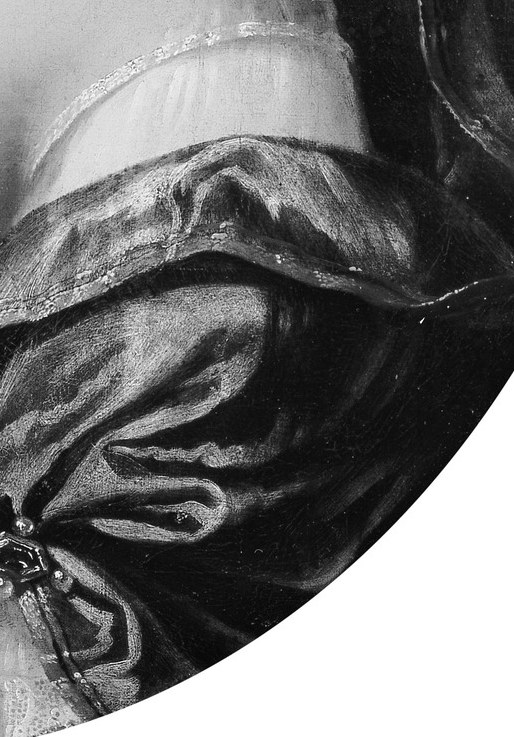
Observe the delicate lace at her neckline, where each thread seems to exist independently, catching the light. Then shift your gaze to the voluminous, rose-colored silk of her dress. Ducreux captures the fabric's sheen and its heavy, luxurious folds so masterfully, it appears to flow with liquid light rather than stiff paint.
Ducreux's technique creates a tangible sense of opulence, emphasizing the woman's elegant presentation and high social standing. The dark background further enhances the luminosity of her attire and skin, making her presence all the more striking. It's a testament to the artist's skill that such everyday materials can be elevated to such a level of illusion.
What other textures do you notice in this remarkable portrait?
Details

Transcript
This painter was a master of luxurious textures. Look at the delicate lace along her neckline. Each thread is rendered with astonishing precision. Or the way light catches the rich folds of her silk dress. It gleams as if brushed with actual liquid light. No brushstrokes, just pure, flowing textile.