Bamboo, Rock, and Tall Tree by Ni Zan
Ni Zan, one of the Four Masters of the Yuan dynasty, created "Bamboo, Rock, and Tall Tree" in 1349. This ink painting, housed at the Cleveland Museum of Art, exemplifies the literati tradition of *yoga*, emphasizing personal expression and refined brushwork.
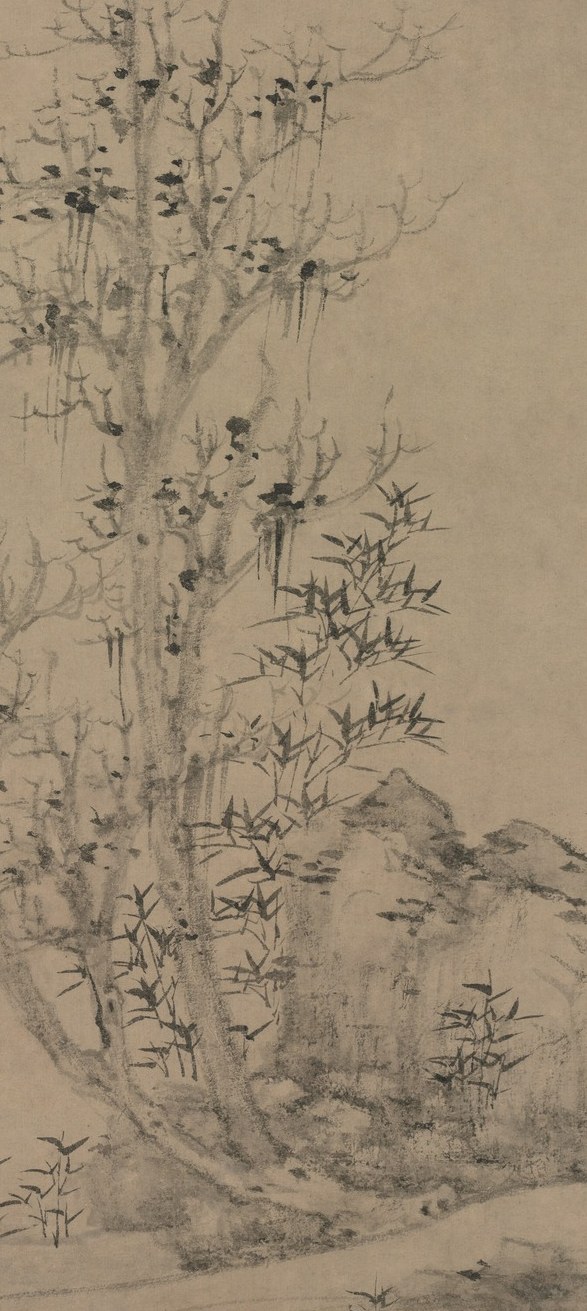
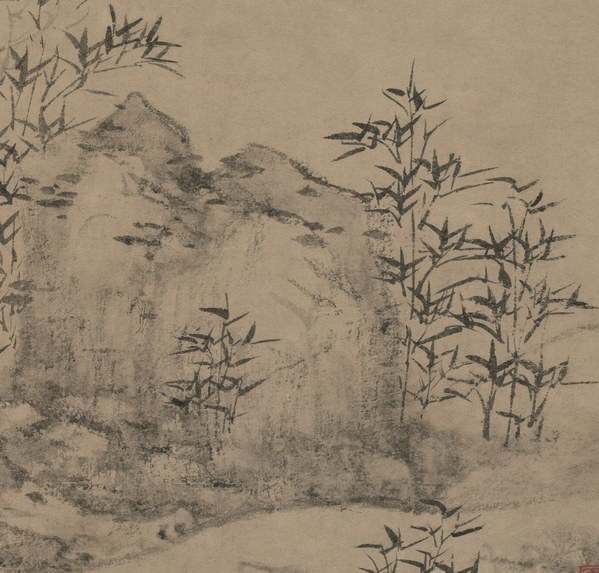
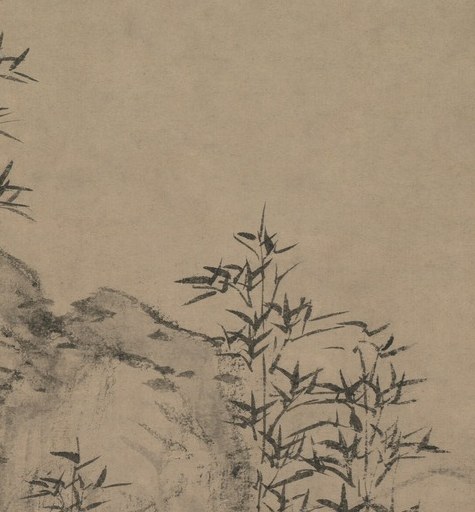
Observe the solitary, twisted tree and the textured rocky terrain. Ni Zan deliberately left much of the background unpainted, drawing attention to the stark natural elements. This minimalist approach was central to conveying a sense of solitude and personal reflection, a hallmark of his aesthetic.
Ni Zan's distinctive ink paintings bridged the Yuan and early Ming eras, earning him a revered place in Chinese art history. His masterful use of varied ink densities and swift, unconstrained brushstrokes are evident throughout the composition.
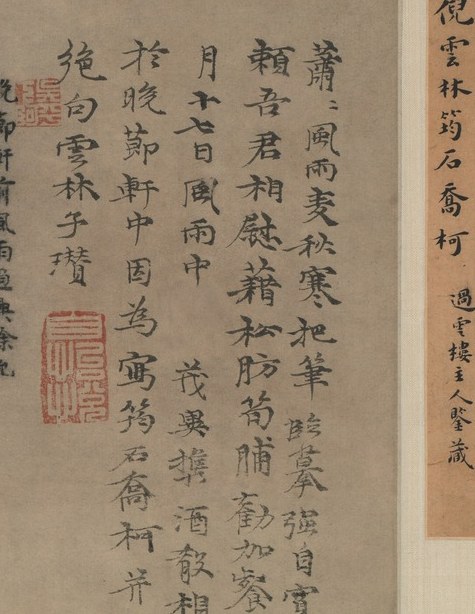
The integration of calligraphic inscriptions and red seals further enriches the artwork's meaning. What does this sense of quiet solitude evoke in you?
Details
Transcript
This stark landscape, painted in 1349, is by Ni Zan. He was one of the Four Masters of the Yuan dynasty. Look at the twisted, resilient form of this tall tree. The painter left much of the background unpainted, intentionally. This minimalist style expressed solitude and personal reflection. His delicate brushwork and unique style are famous today.