Portrait of a Woman, possibly Elizabeth Boothby by Cornelis Janssens van Ceulen
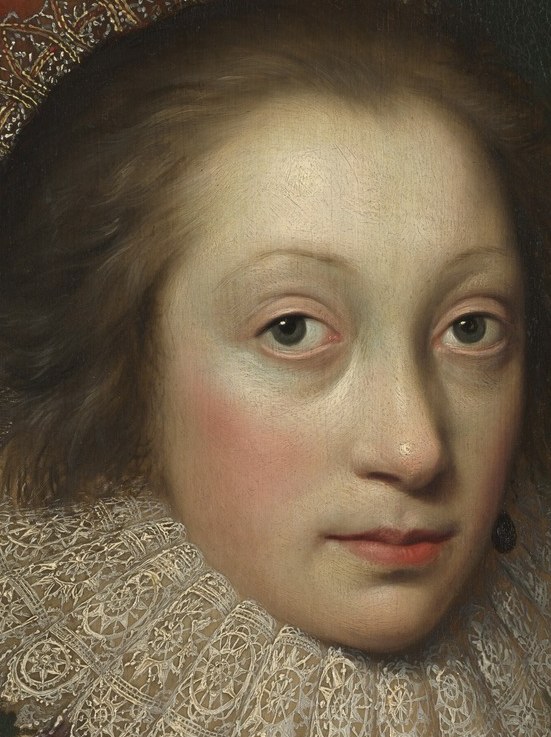
Cornelis Janssens van Ceulen's *Portrait of a Woman, possibly Elizabeth Boothby* (1619, The Cleveland Museum of Art) is a masterclass in painted illusion. The artist's ability to render textures so realistically makes you question if it's paint at all.
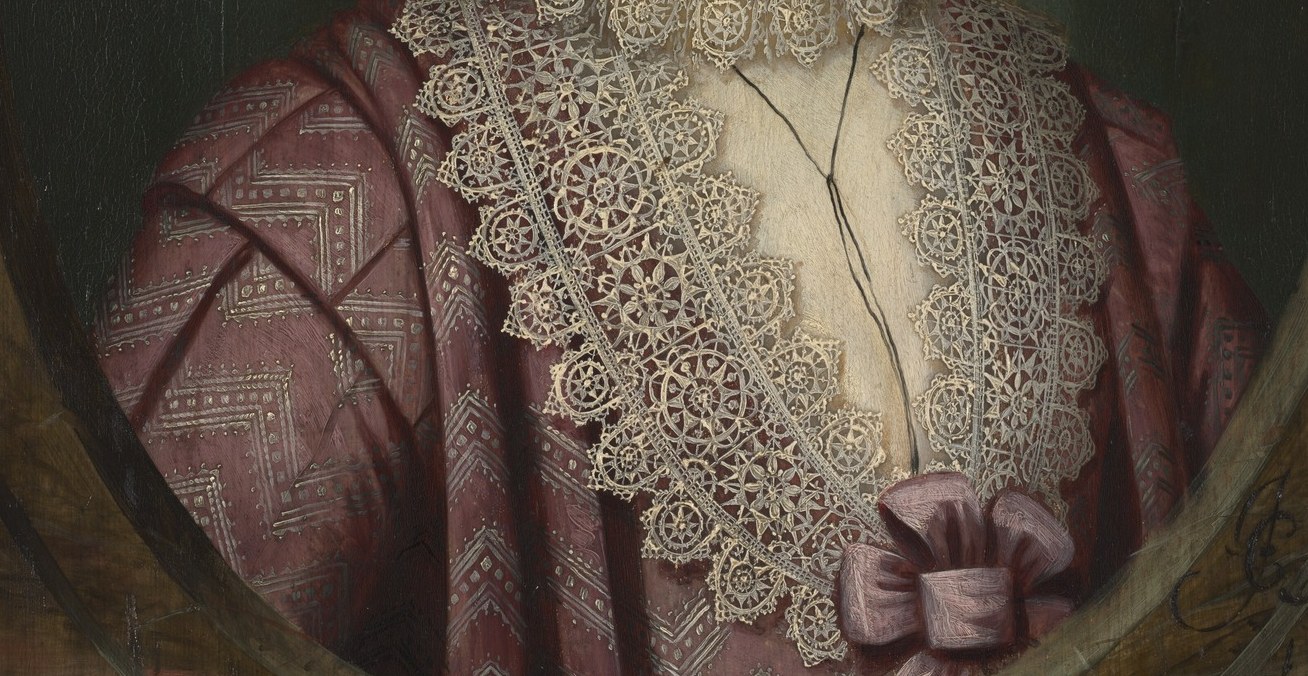
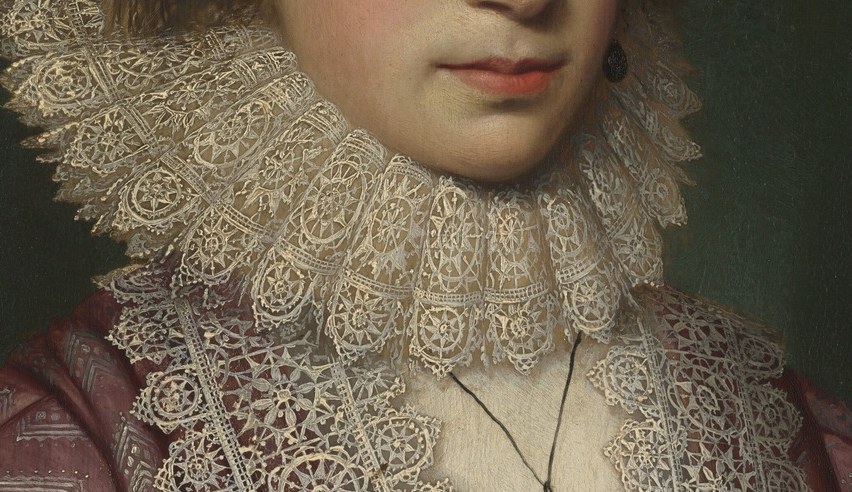
Look closely at the sitter's pink dress and its geometric pattern. Janssens van Ceulen makes it appear woven, a testament to his skill with oil paint. Then, focus on the intricate lace collar; the delicate lacework is rendered with such precision that it seems tangible, catching the light as if it were real fabric.
Born in London to parents fleeing religious persecution, Janssens van Ceulen became one of the first English-born painters to produce hundreds of signed portraits. He mastered the use of oil paint to create these astonishingly realistic textures, a hallmark of the Dutch Golden Age.
This painting challenges our perception of what oil paint can achieve, showcasing incredible detail and texture.
Details
Transcript
Look at the texture of her pink dress. Geometric patterns look woven, not painted. Now see the lace collar. This illusion of real lace took days. See how light catches the tiny threads? Oil paint made this impossible detail.