Untitled by Bhadrabahu
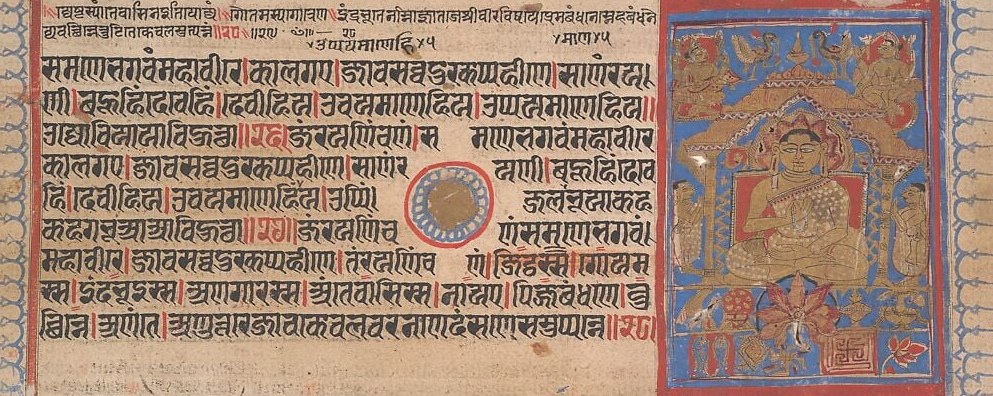
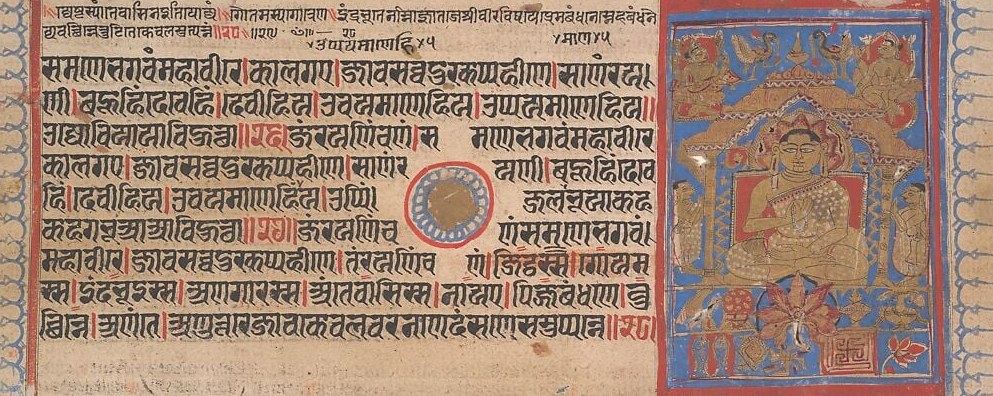
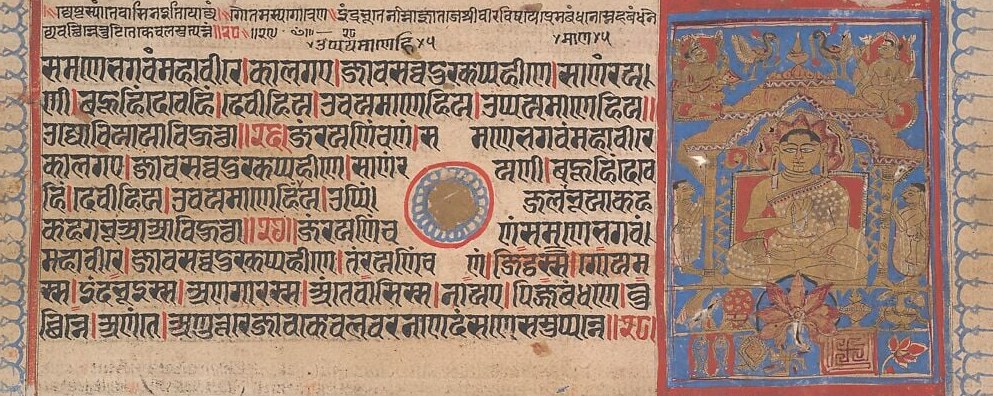
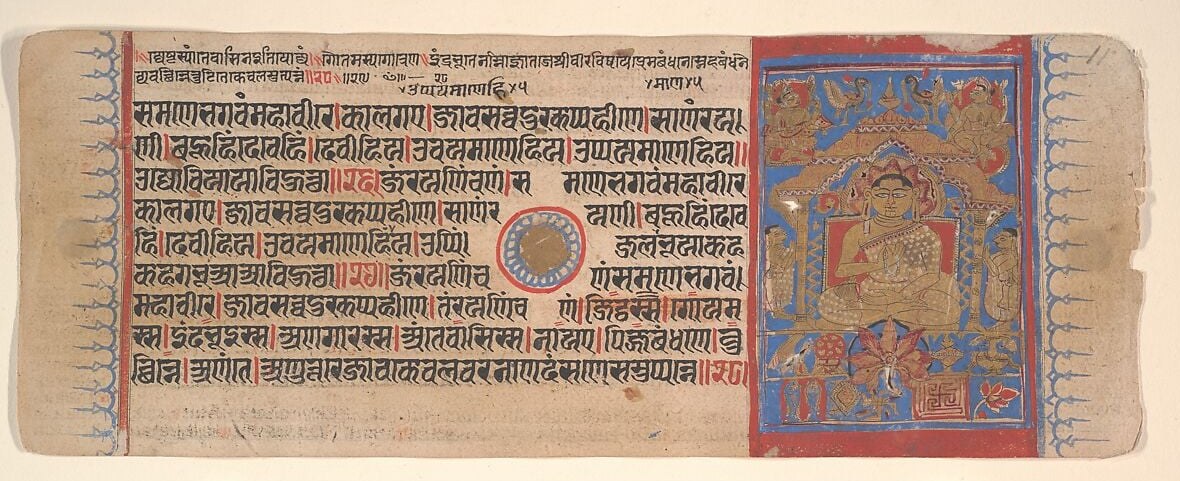
This untitled manuscript page from 1449 offers a rare glimpse into 15th-century Jain religious practices and manuscript production. Created by the artist Bhadrabahu, this work is composed of ink, opaque watercolor, and gold on paper, and is housed in a private collection.
The page features dense Devanagari script, an ancient Indian writing system. Notice the subtle gold leaf accents, which highlight certain characters and underscore the preciousness of the religious text. Red ink was strategically used to draw the reader's eye to important passages, guiding them through the sacred content.
Such works were crucial to the rich tradition of Jain manuscript illumination. They served not only as texts for study but also as devotional objects, intended to inspire contemplation and reinforce the principles of Jainism, an ancient Indian religion that emphasizes non-violence and respect for all living beings.
The visible texture of the aged paper itself speaks volumes, carrying centuries of history, reverence, and continuous study within its fibers. What stories do you imagine this page has witnessed?
Details
Transcript
This 15th-century work is a page from a Jain religious text. Jainism, an ancient Indian religion, emphasizes non-violence. The text is written in Devanagari script, an ancient Indian writing system. Subtle gold leaf accents reflect the preciousness of the manuscript. Red ink highlights drew the eye to important passages. The aged paper itself reveals centuries of reverence and study.