View in the Woods by Jules Dupré
Jules Dupré's "View in the Woods," painted around 1850, is a quintessential example of the Barbizon school's dedication to naturalistic landscape painting. Housed at the Rijksmuseum, it captures the serene and often mysterious atmosphere of a dense forest.
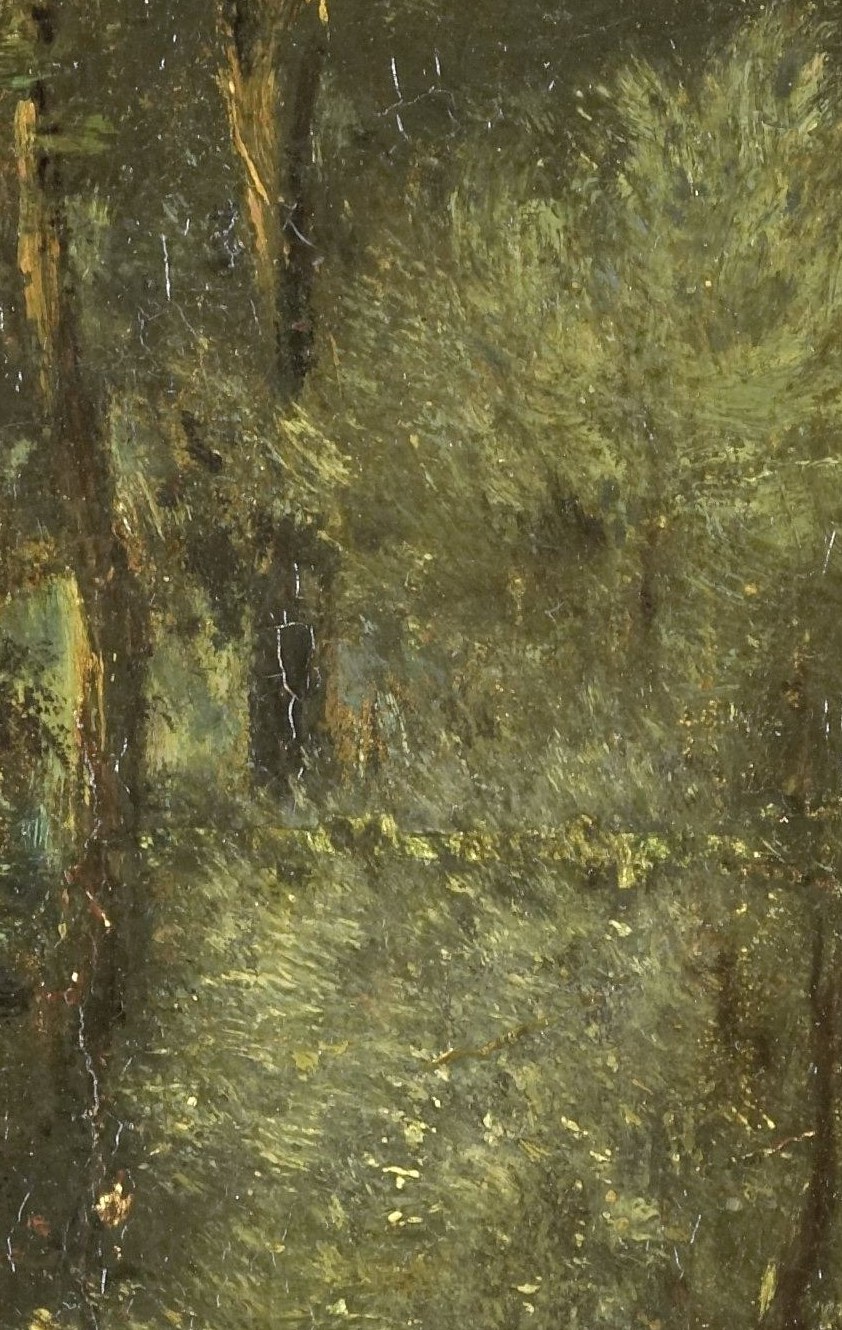
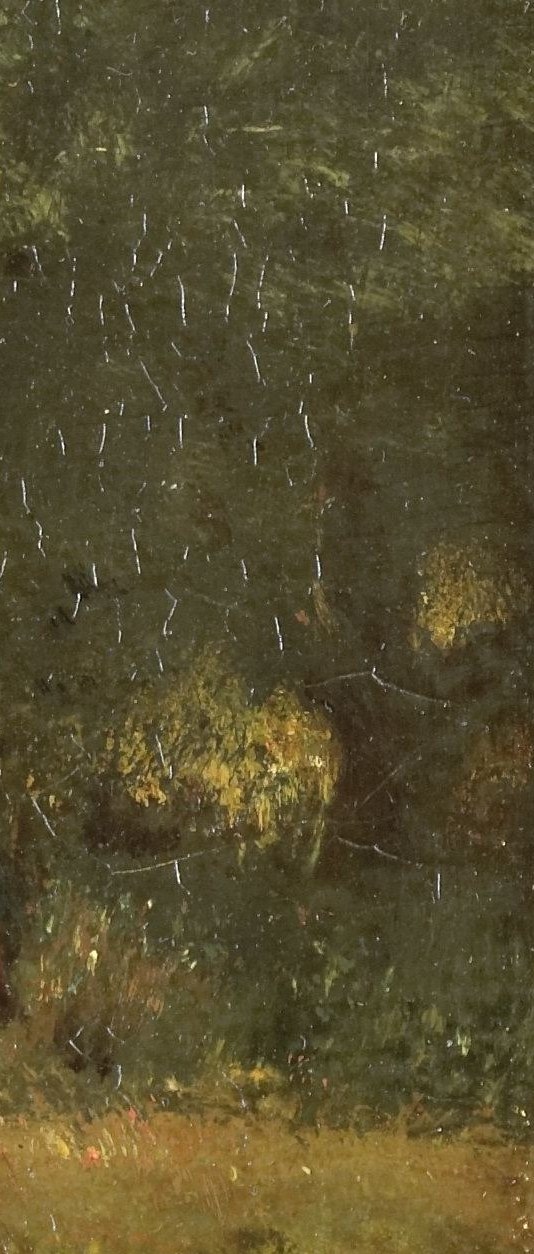
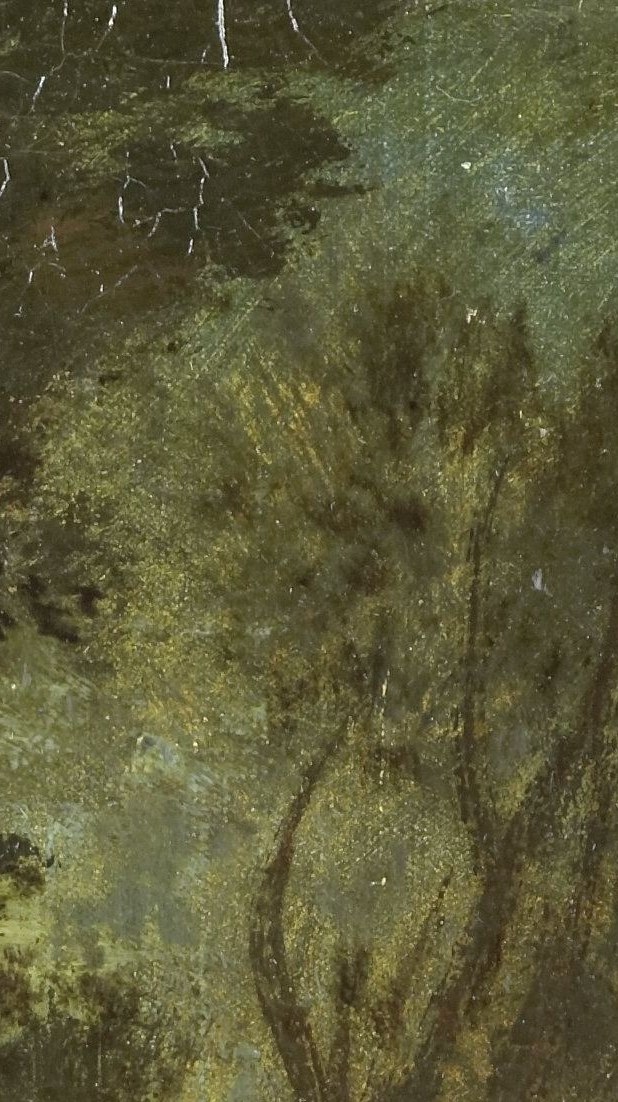
Dupré, a leading figure of the Barbizon movement, focused on painting directly from nature, breaking away from the idealized landscapes of earlier periods. Look closely at the interplay of light and shadow, and the textured brushwork that conveys the fleeting quality of forest light and dense foliage.
The Barbizon artists, active in the mid-19th century, sought to depict the French countryside with honesty and immediacy. This painting reflects that commitment, inviting viewers to contemplate nature's subtle rhythms and the quiet moments of illumination within the woods.
What details do you find most captivating in this secluded woodland scene?
Details

Transcript
This painter was a leader of the Barbizon school. They left the studios to paint nature directly. Notice how the light filters through the dense canopy. His rapid brushwork captures the changing forest light. Even a tiny figure hints at human presence. This work embodies their aim for natural truth.