The Last Judgment and the Seven Deadly Sins by Jacob van Swanenburgh
Jacob van Swanenburgh's "The Last Judgment and the Seven Deadly Sins," painted in 1619, is a dramatic depiction of divine reckoning and moral corruption. This work is especially notable because Van Swanenburgh was the teacher of a young Rembrandt.
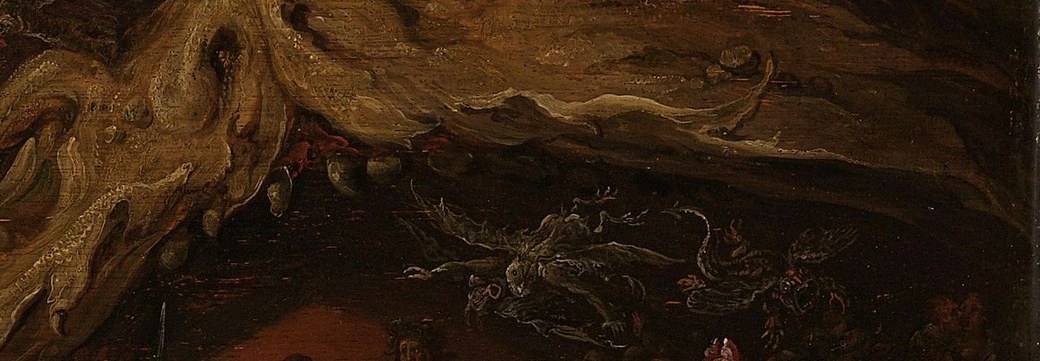
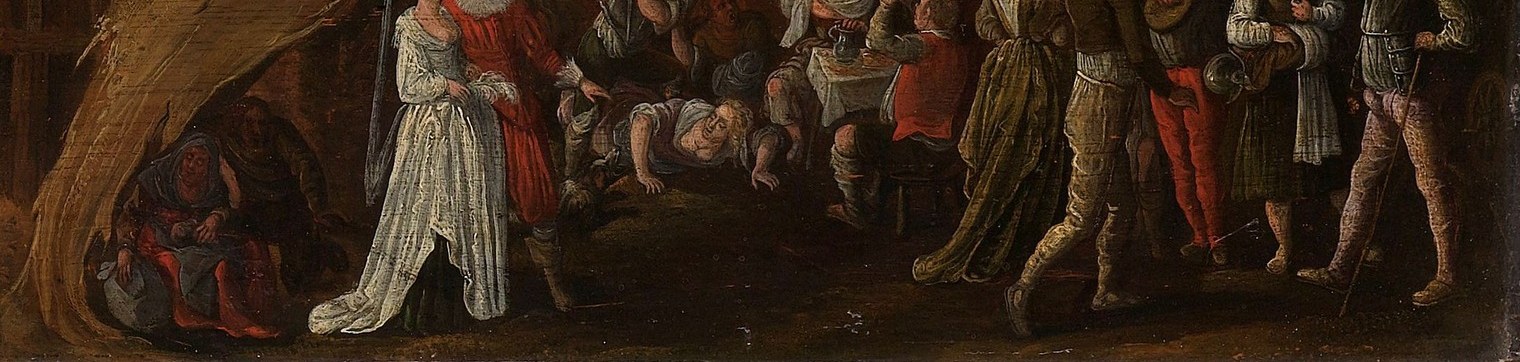
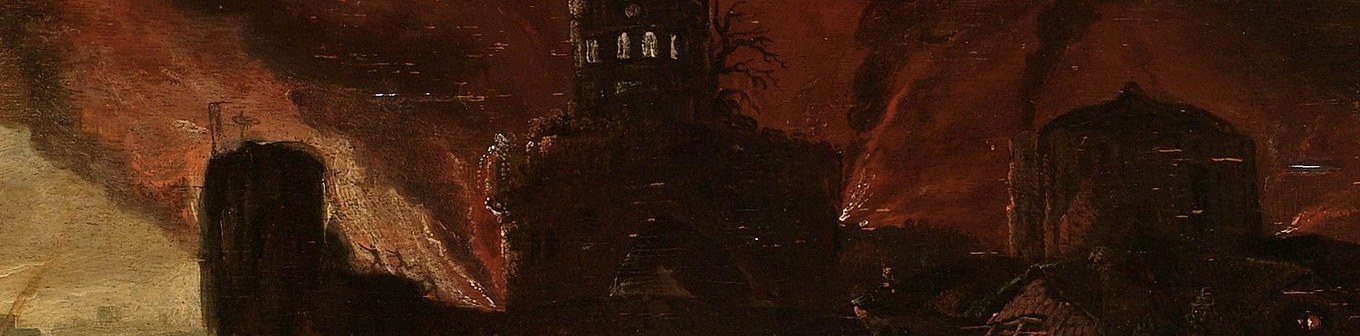
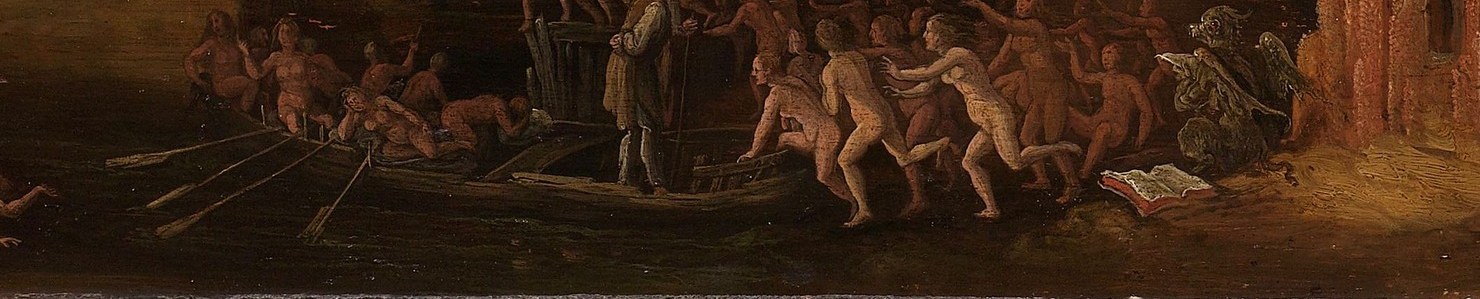
Observe the pronounced chiaroscuro, a technique of strong contrasts between light and dark, used to create depth and drama. The illuminated figures in the foreground are set against a shadowy, flame-filled sky, emphasizing the terror and despair of the damned.
Van Swanenburgh spent a significant part of his early career in Italy, where he absorbed the dynamic early Baroque sensibility. He brought this back to the Netherlands, later instructing Rembrandt, who would go on to become a master of chiaroscuro himself. This painting is a powerful example of the moral didacticism prevalent in early 17th-century Protestant visual culture.
What echoes of Van Swanenburgh's dramatic lighting do you see in Rembrandt's later works?
Details
Transcript
This painting from 1619 shows the Last Judgment. The painter, Jacob van Swanenburgh, taught young Rembrandt. Van Swanenburgh studied in Italy, learning dramatic light and shadow. He used this technique to show the horrors of damnation. His student Rembrandt would later master chiaroscuro. The stark contrast makes the tormented figures unforgettable.