Still Life with a Turkey Pie by Pieter Claesz
Pieter Claesz's "Still Life with a Turkey Pie" from 1627, now at the Rijksmuseum, is a masterful example of Dutch Golden Age still life, renowned for its meticulous depiction of opulent banquet scenes. This painting, like many of Claesz's works, celebrates material wealth and the bounty of nature.
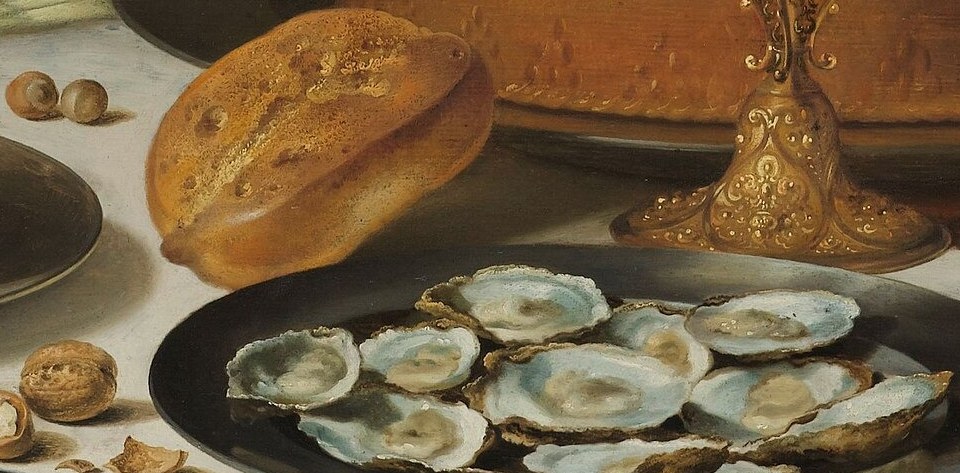
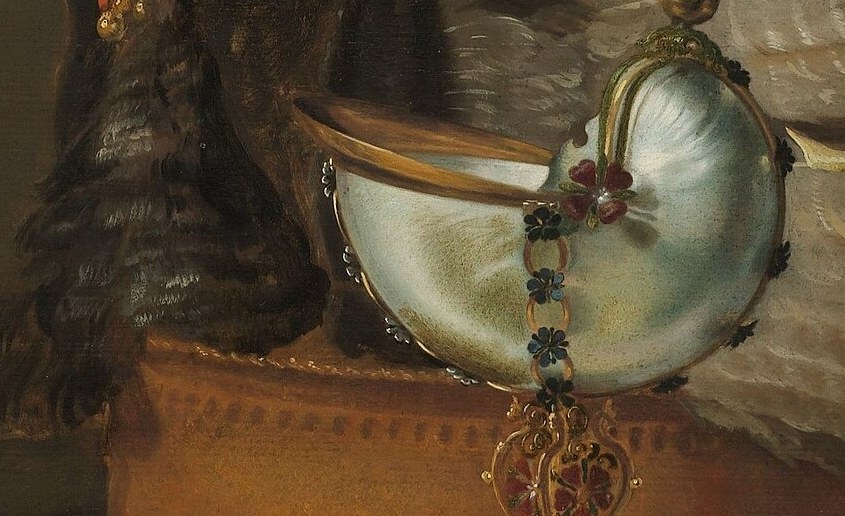
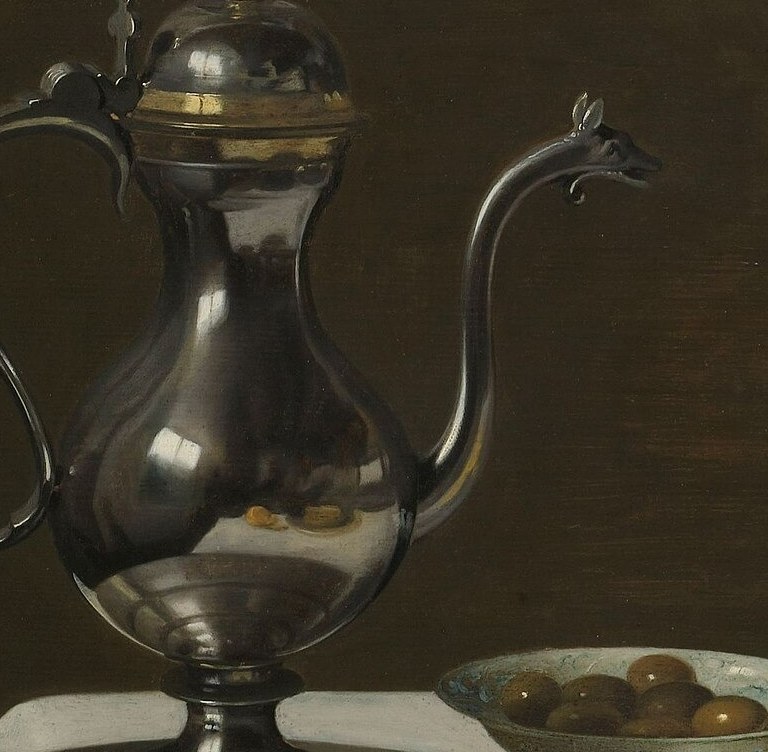
Take a moment to appreciate the artist's incredible skill in rendering different textures, from the glistening oysters and a majestic turkey pie to the intricate nautilus shell cup. The way light reflects off the silver ewer and the peeled lemon truly brings the scene to life.
One small detail often overlooked is the scattered, half-eaten nuts on the table. These tiny elements add to the realism of a meal in progress, subtly hinting at the transient nature of sustenance, a common moral undertone in 17th-century Dutch still life. The painting's journey through various private collections, including Keukenhof Castle, before arriving at the Rijksmuseum in 1974, also adds to its rich history.
What other small details do you notice in this lavish spread?
Details
Transcript
This painting from 1627 shows a luxurious Dutch feast. The artist Pieter Claesz was famous for these banquet scenes. Every detail highlights wealth, from oysters to a nautilus cup. He even painted the glint on this silver ewer. But look closely, there's a tiny detail often missed. Scattered on the table are these nuts, half-eaten.