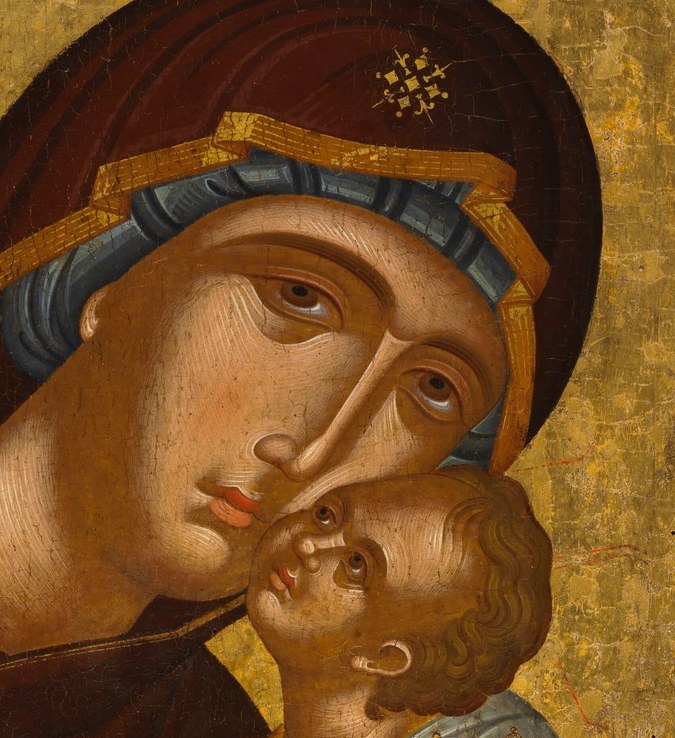
Icon of the Mother of God and Infant Christ (Virgin Eleousa) by Angelos Akotantos
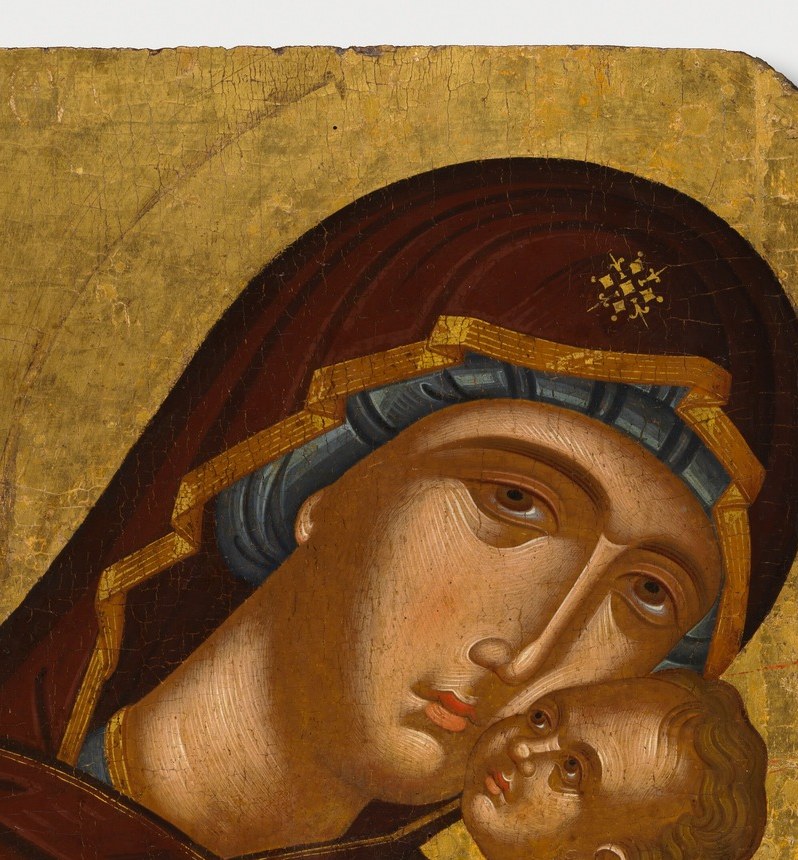
This powerful "Icon of the Mother of God and Infant Christ (Virgin Eleousa)" by Angelos Akotantos, dating to around 1420, is a foundational work of the Cretan School. It resides in a private collection today.
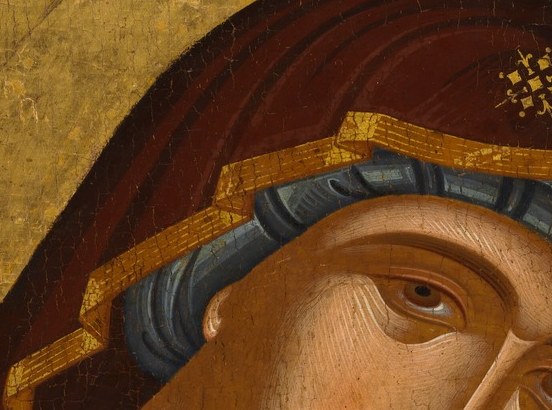
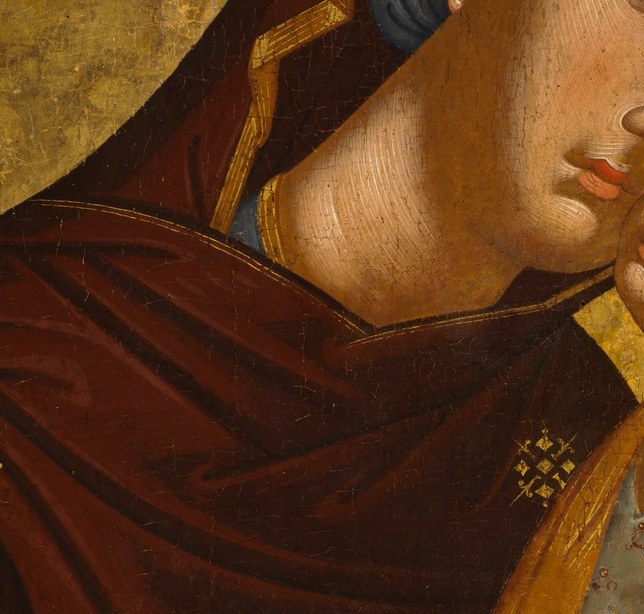
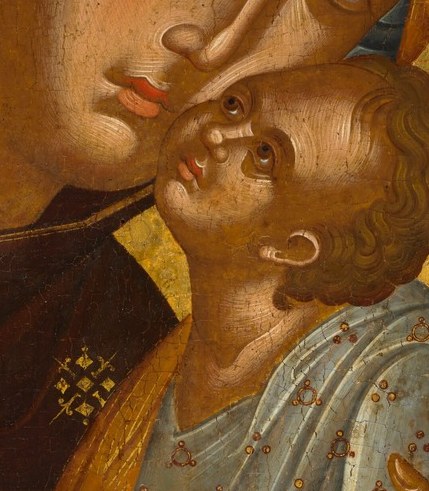
Look closely at the tender embrace: the Virgin's sorrowful gaze, the Christ Child's cheek pressed to hers, and his small hand clutching her veil. This intimate gesture, known as Eleousa or "Tenderness," became a prototype for Greek icons for centuries.
Angelos Akotantos was a prominent and wealthy painter active in Heraklion, Crete, during the 15th century. His will, written in 1436, provides much of what we know about his life. He taught many students and significantly influenced artists like El Greco through his distinct synthesis of Byzantine tradition and emerging Western aesthetics.
Akotantos's compositions not only defined a style but also profoundly shaped the devotional experience across the Orthodox world.
Details
Transcript
This icon set the standard for Greek painting for 500 years. The artist, Angelos Akotantos, was wealthy and influential. He painted many versions of the Virgin of Tenderness. The Virgin's downcast eyes hint at future sorrow. But the child's embrace is pure, instinctive love. His tiny hand clings to her veil.