The Return of the Prodigal Son by Murillo, Bartolomé Esteban
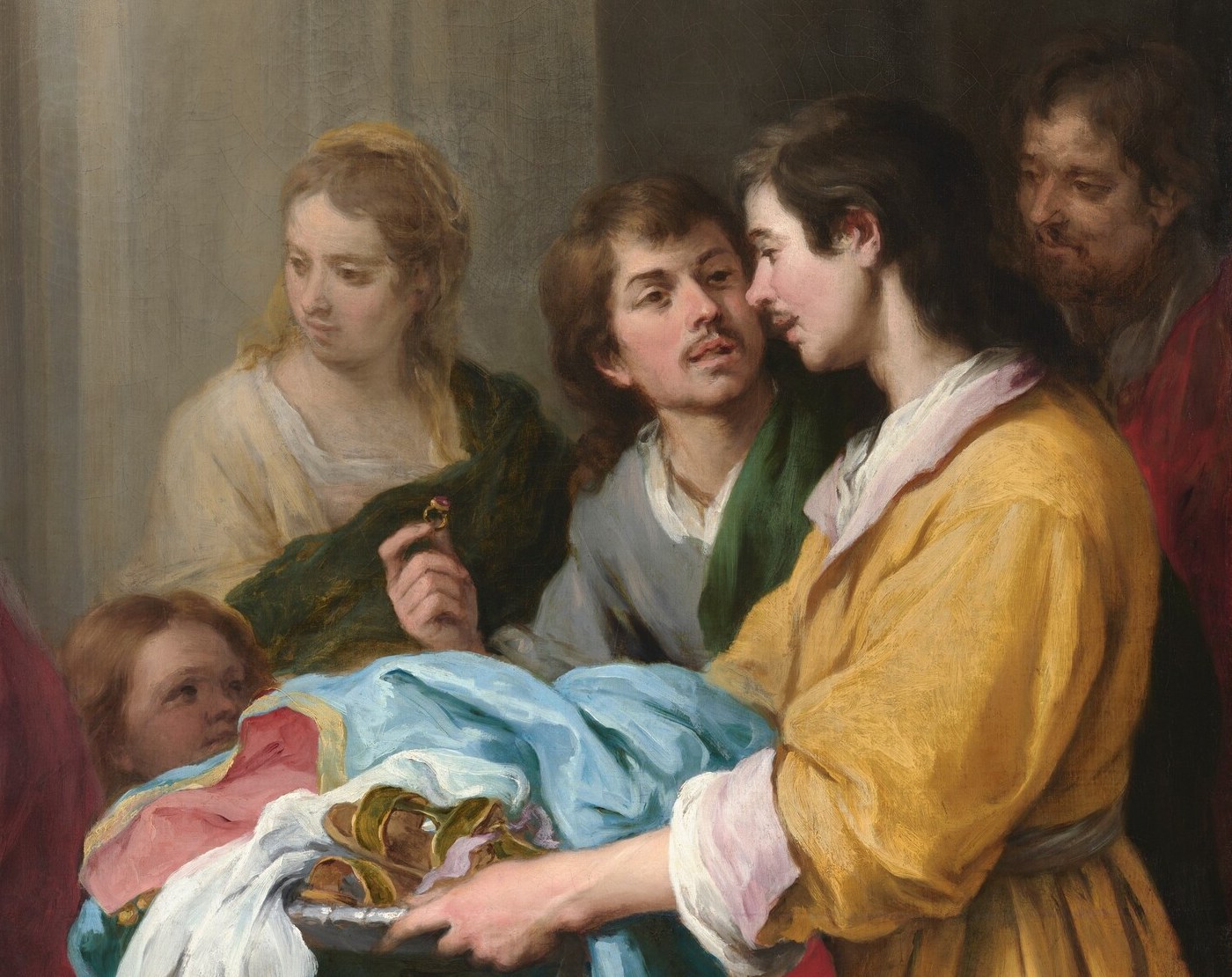
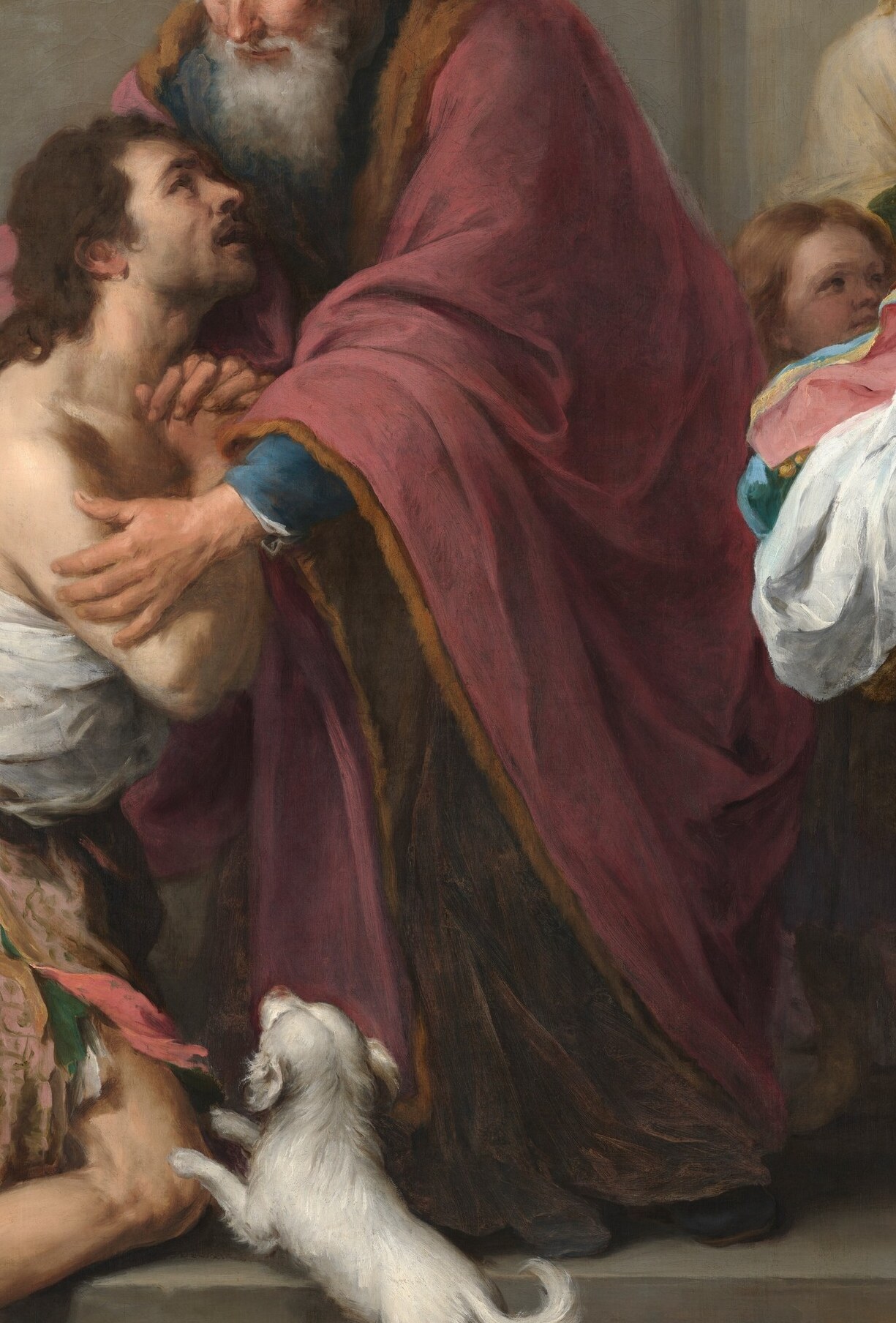
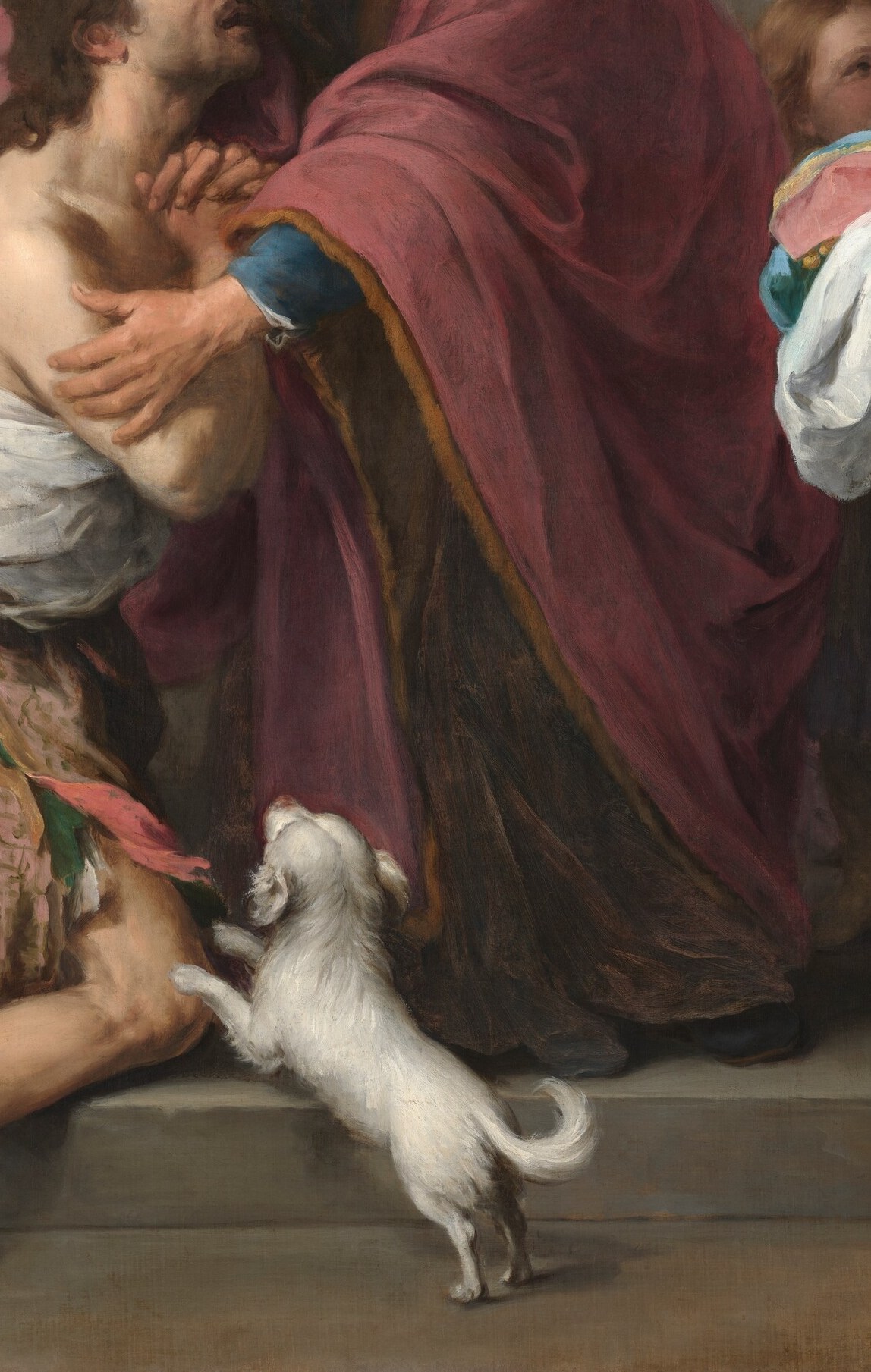
Bartolomé Esteban Murillo's “The Return of the Prodigal Son,” painted between 1667 and 1670, was once part of a series looted by Napoleon's army. This powerful oil on canvas, now at the National Gallery of Art in Washington, D.C., was originally commissioned for the Hermandad de la Caridad in Seville, a charitable brotherhood Murillo himself belonged to.
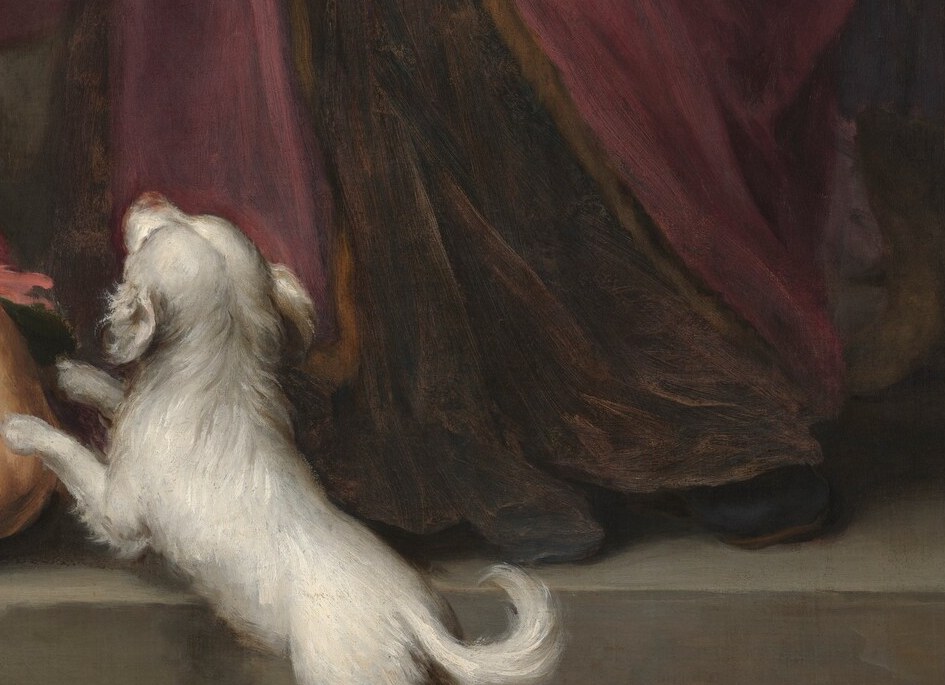
The painting vividly depicts the biblical parable, with an elderly father embracing his kneeling, tattered son. The son's ragged clothes and dirty feet visually reinforce the charity's mission of providing for the needy, a central theme for the commissioning brotherhood.
While four of the original eight paintings remain in Seville, this work and three others were seized by Napoleon's army in 1810. These dispersed masterpieces now reside in various international collections, highlighting a turbulent chapter in art history.
Doesn't knowing its journey add another layer to its emotional depth?
Details
Transcript
This painting was commissioned for a Spanish charity. The charity's mission included clothing the naked. Notice the son's ragged clothes and bare feet. In 1810, Napoleon's army looted this series of paintings. Four of the eight works were taken from Spain. The father's embrace represents forgiveness and restoration.