The Veil of Veronica by Fetti, Domenico
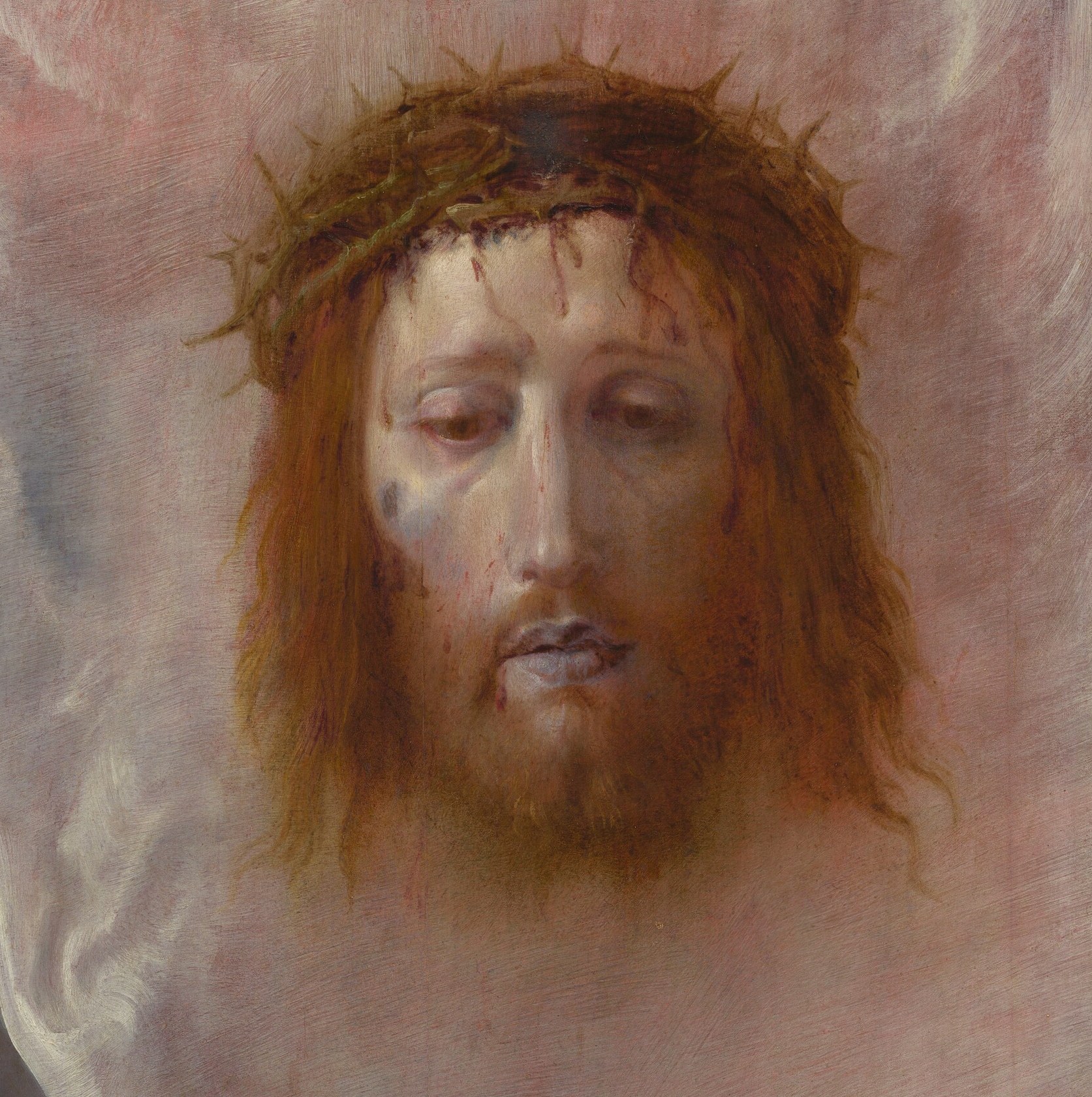
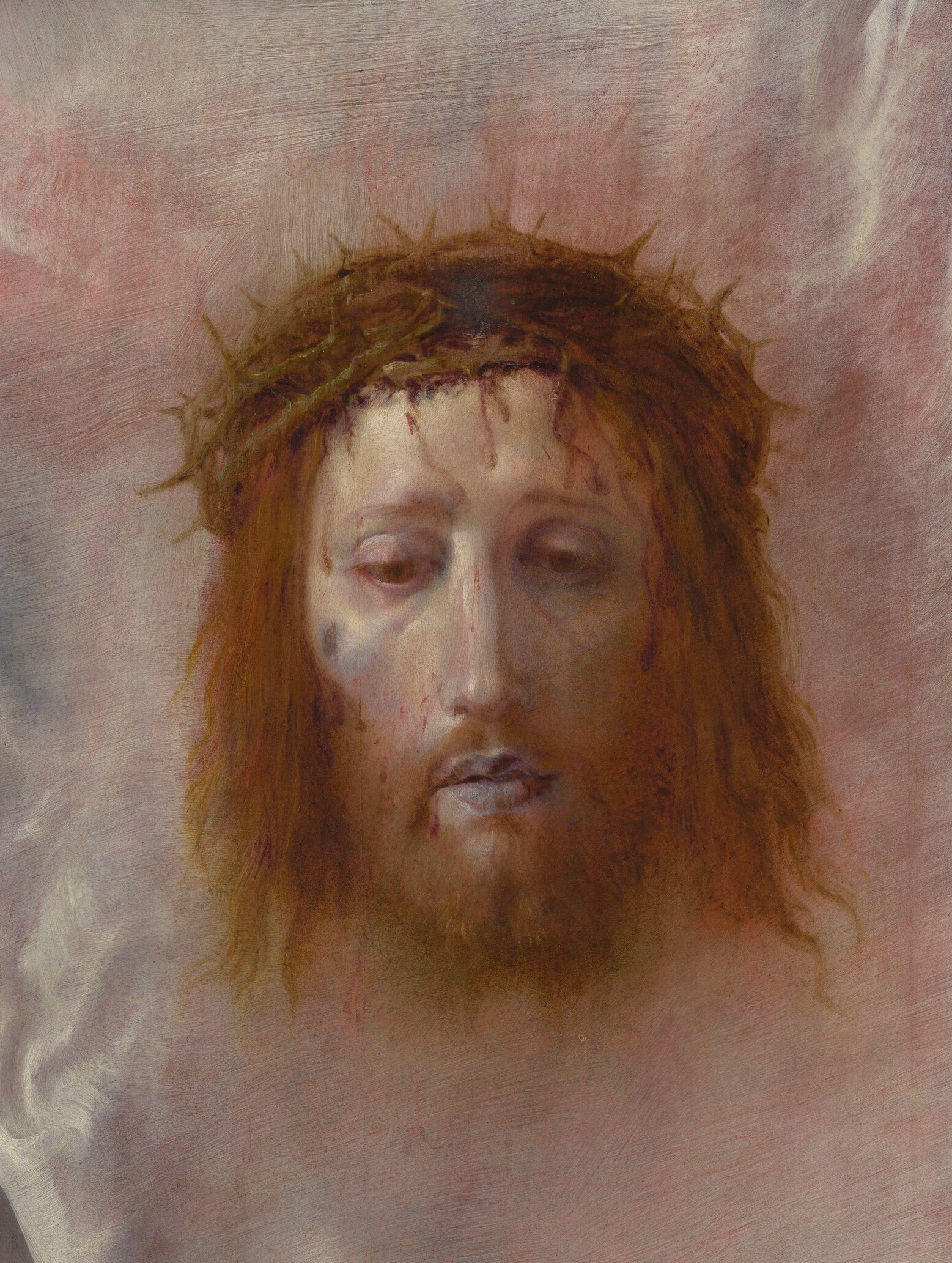
This is The Veil of Veronica, painted by Domenico Fetti around 1620. It is not just a painting of a cloth. It is a painting of a relic so adored that collectors risked everything to own it. Now in the National Gallery of Art, Washington, it shows the exact moment Baroque art turned spiritual devotion into a physical experience.
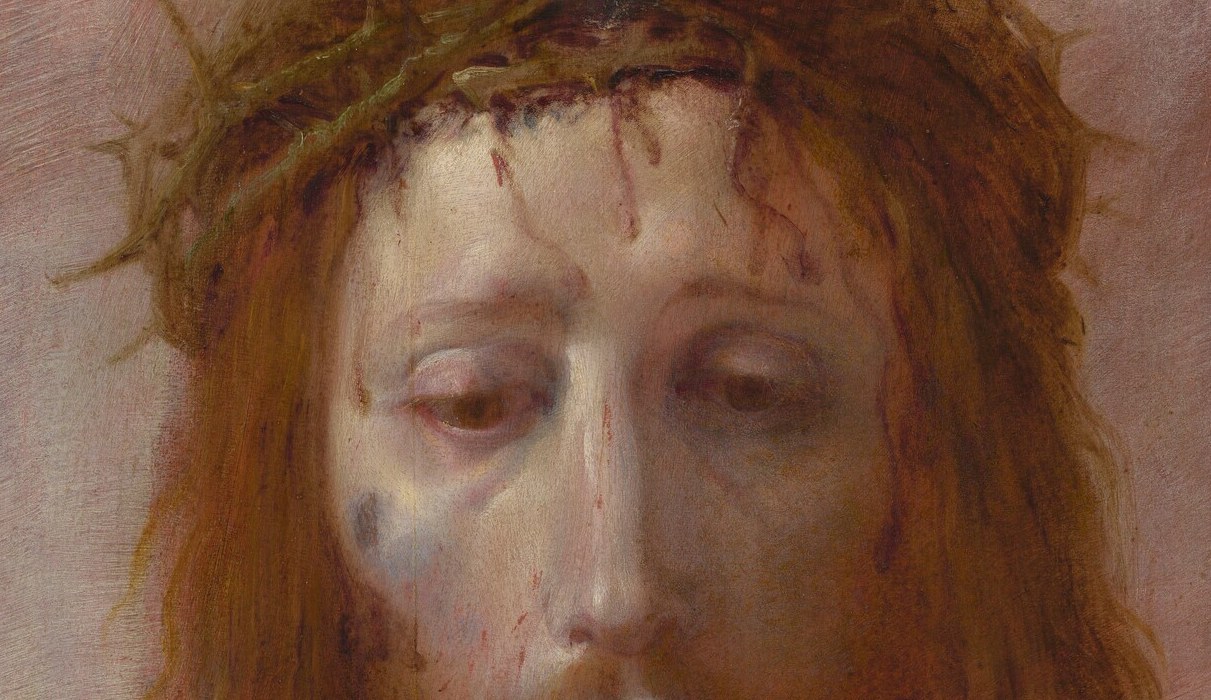
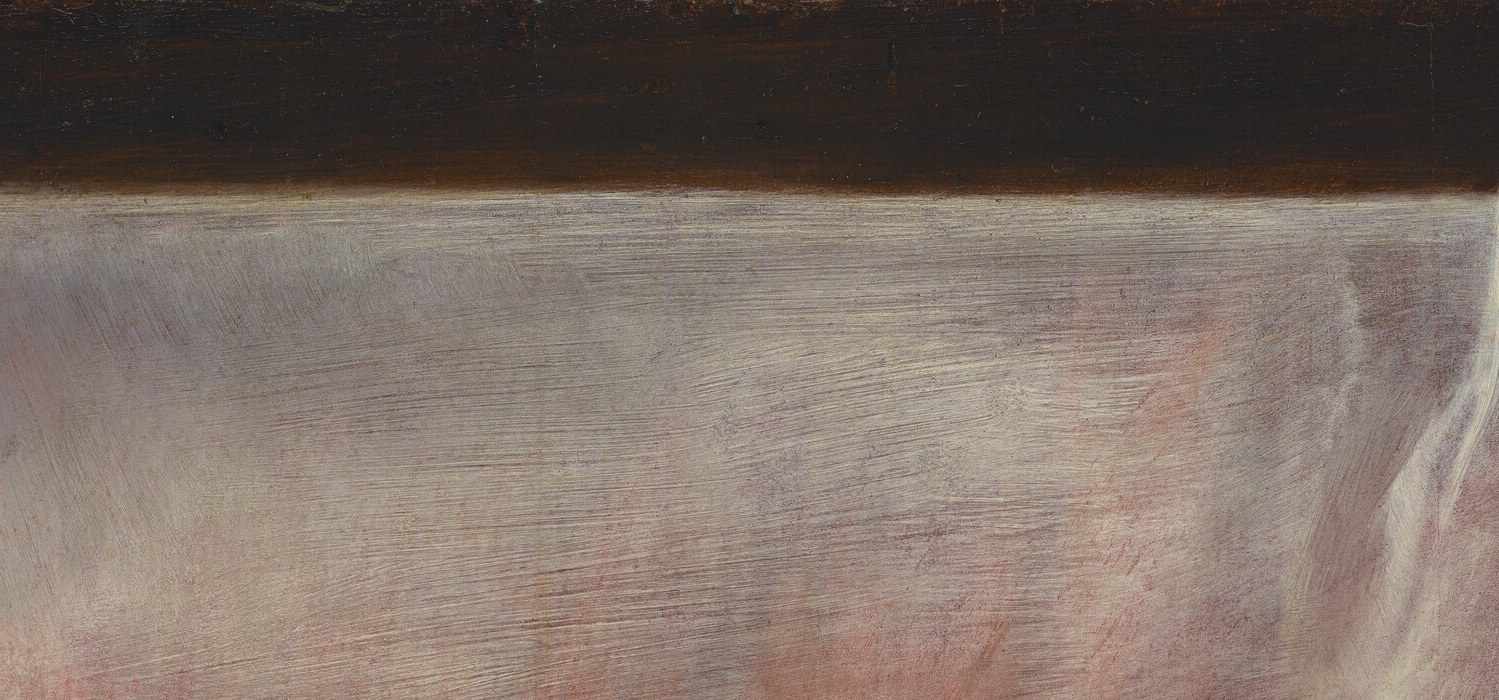
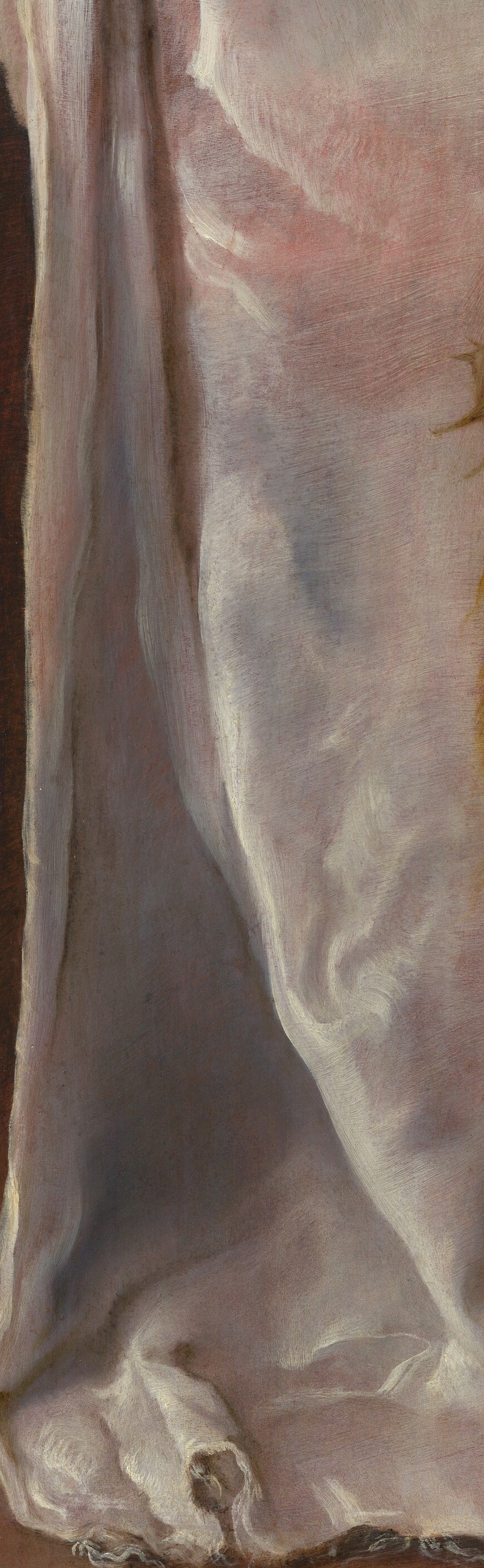
Look at the eyes first. Fetti has them meet yours without flinching. This is a classic Baroque device, implicating you in the scene. Then look at the veil itself. The upper edge is gathered and knotted, which tells you this object was hung for display, not worn. You are looking at a venerated artifact in a church, not a person in a street.
Fetti painted this in oil on panel while moving between Rome, Mantua, and Venice. He was a star of the early Baroque but died young, at about thirty-four. The painting visualizes the legend of Saint Veronica, who wiped Christ's face on the road to Calvary and received a miraculous imprint on her cloth.
The financial story here is less about the painting's price and more about what it represents. A relic like the Veronica veil was beyond value in seventeenth-century Italy, a physical link to the divine. For the faithful who gazed on this image, it was not merely art. It was contact. Collecting such objects was a path to virtue, and one that often led straight to ruin.
What would you pay for proof?
Details
Transcript
Before cell phones, people carried relics. This one was so valuable it nearly ruined a man. His eyes meet yours directly. The cloth is hung for display, knotted at the top. Linen is notoriously hard to paint. Fetti makes his paint act like linen. A darkened face glows through the weave. The man who owned it fell into impossible debt.