Portrait of a Moravian Woman by Pieter Pietersz II
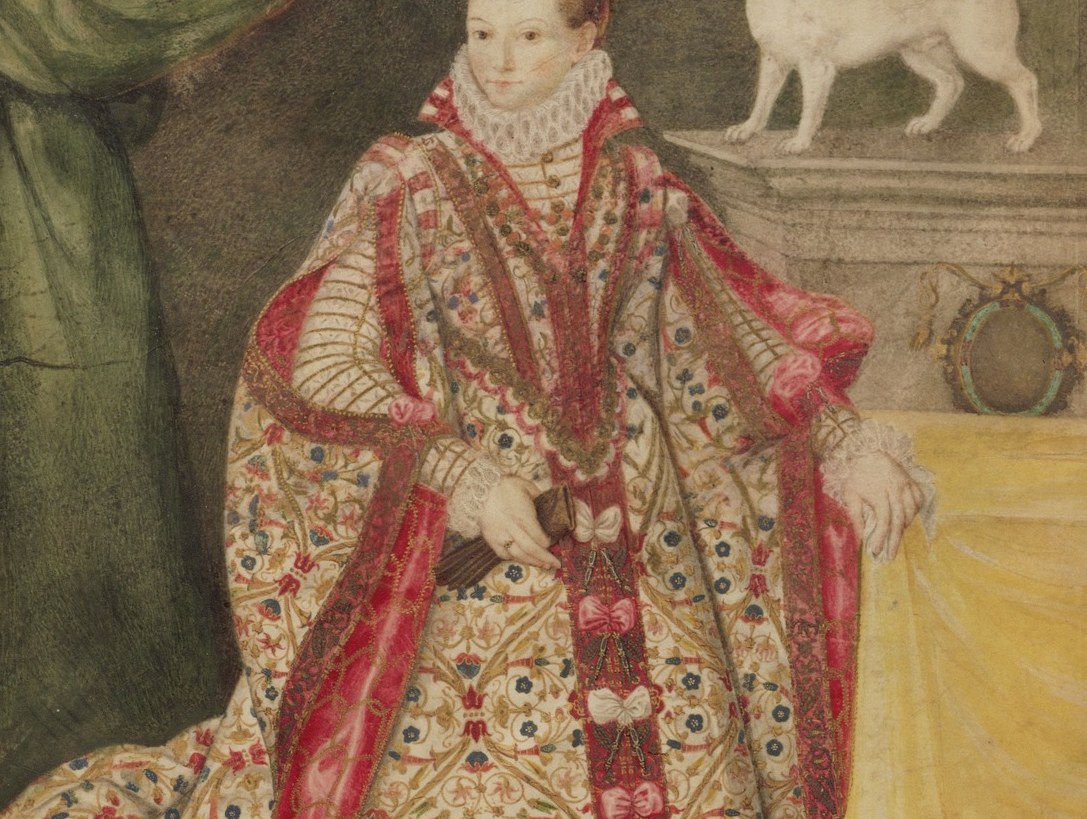
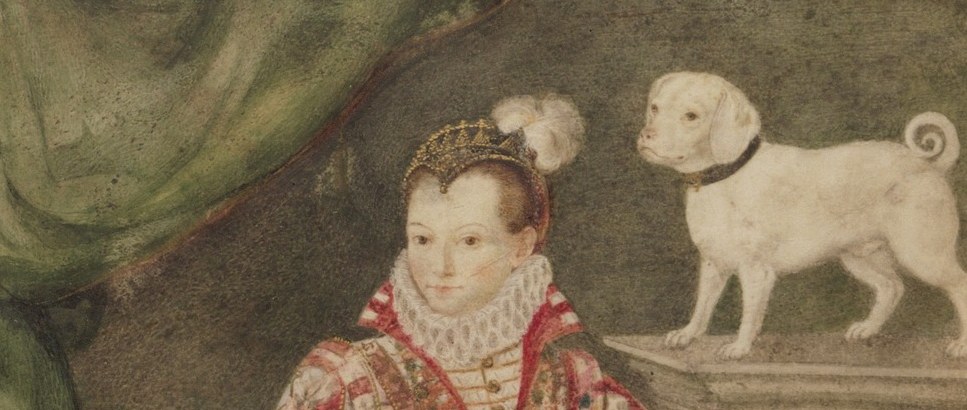
A Moravian noblewoman, painted in Amsterdam around 1600, stares out from this portrait by Pieter Pietersz II. She is far from home, but she has not left her identity behind.
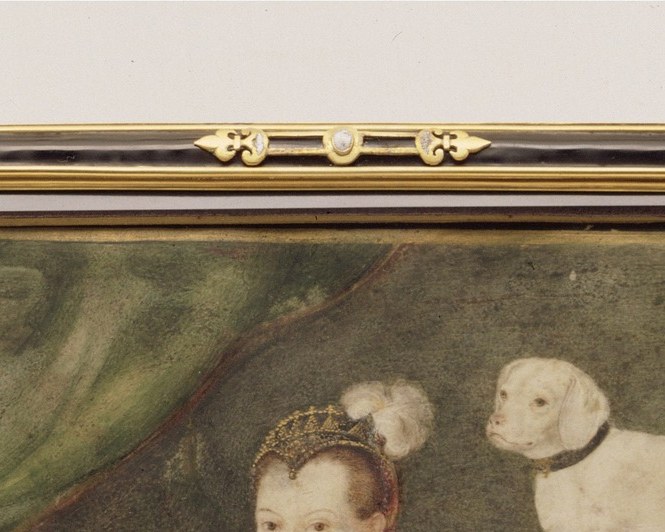
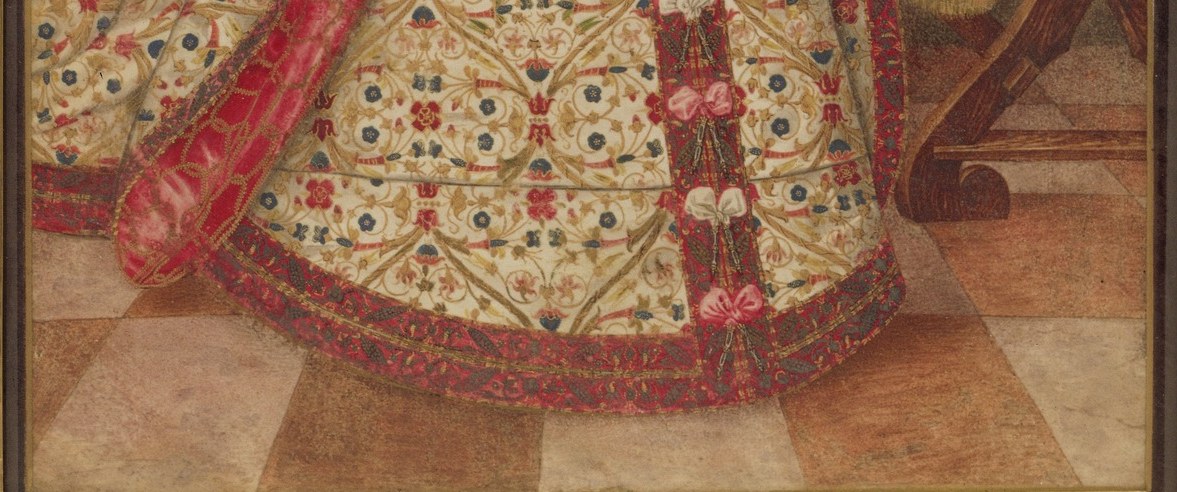
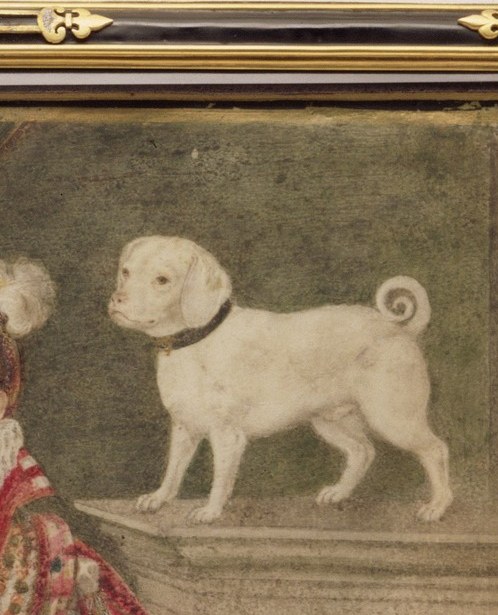
Look at the elaborate embroidery along her bodice and hem. Those are not generic Dutch floral patterns. They carry distinct Moravian regional motifs, a textile record of a culture she carried with her into a foreign city. Her small white lapdog sits elevated on the table beside her, a signal that this is not a passing visit. The dog means permanence, domesticity, a life being built here.
Pieter Pietersz II was born in Haarlem in 1578, the son and grandson of respected painters. He worked in Amsterdam, a city full of immigrants and merchants, where a portrait like this served as proof of status and identity. The sitter's name is lost to history, but her dress speaks plainly: she wanted to be seen as Moravian.
A portrait is a negotiation. She stands on Dutch floor tiles, in front of a Dutch studio curtain, painted by a Dutch hand. And yet the most careful work in the whole canvas is the embroidery that says: I am still myself.
Details
Transcript
Around 1600, a young Moravian woman arrived in Amsterdam. She sat for a Dutch portrait, but she did not dress like a Dutchwoman. Look at the hem. Those embroidered borders are Moravian motifs. She brought her identity with her. Stitched it into the silk. Her little dog sat on the table, a sign she meant to stay. She faces us directly. Composed. A stranger negotiating a new world.