Untitled by Utagawa Hiroshige
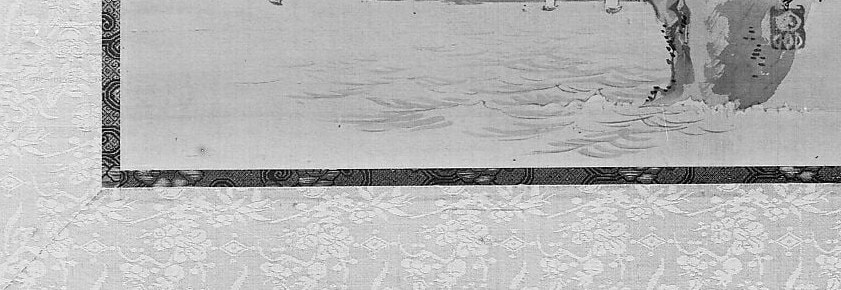
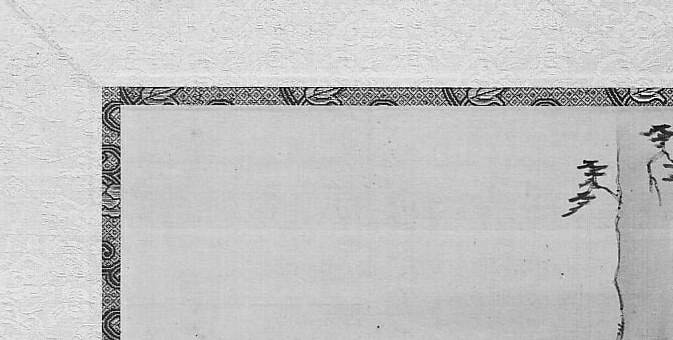
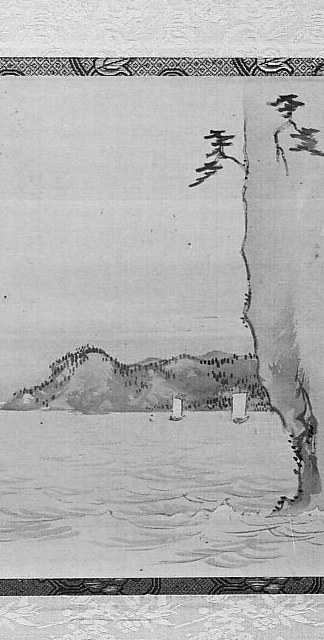
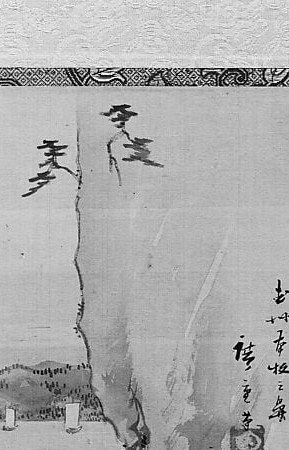
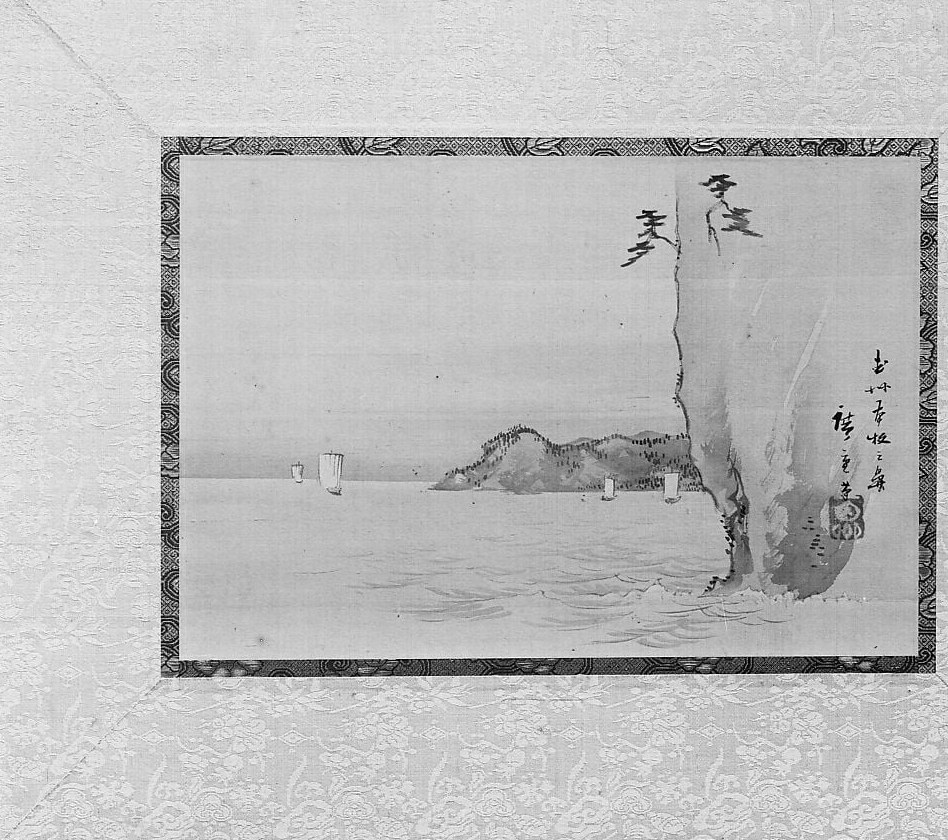
This is an untitled winter landscape by Utagawa Hiroshige, painted in 1827 with ink and color on silk. The scene is quiet: a bare tree, a thatched roof, a distant boat. But the real subject is what is not there.
Look at the ground plane. Hiroshige left the silk entirely bare. In ukiyo-e, snow is often carved into woodblocks as negative space, but here on a hand-painted silk scroll, a single mislaid stroke would ruin the field forever. The pale ground you see is the silk itself, holding the illusion of deep snow without a flake of pigment.
Hiroshige was the last great master of the ukiyo-e tradition, best known for his poetic landscape series like The Fifty-three Stations of the Tōkaidō. While his contemporaries often focused on actors and courtesans, Hiroshige turned to atmosphere. On silk, rather than the more common paper, his control of ink wash and water ratio created gradations of mist and distance that woodblock prints had to simulate through laborious multiple impressions.
Next time you see a painted landscape, notice where the artist chose not to paint. Sometimes the most daring passage is the one they left alone.
Details
Transcript
Snow-covered fields, a bare tree, a distant boat. Now look at the ground. The snow itself. There is nothing there. Bare silk. Hiroshige painted on silk, a surface that stains instantly. He used the unpainted silk to become the cold itself. A single brushstroke is a branch. A blank expanse is winter.