Martin Luther Hurlbut by John Neagle
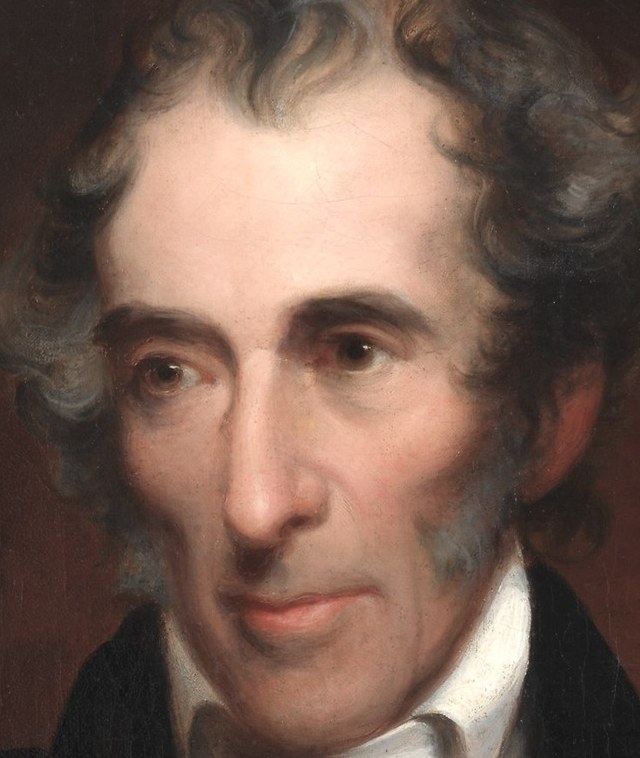
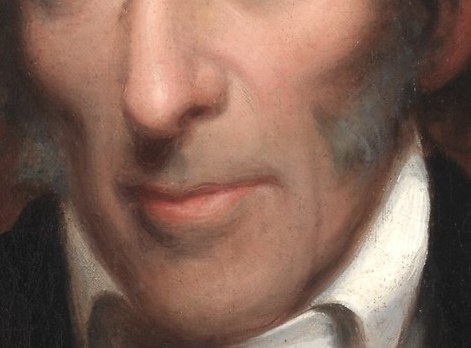
John Neagle’s 1840 portrait, *Martin Luther Hurlbut*, at The Cleveland Museum of Art, may seem like a straightforward depiction, but subtle details reveal more about the sitter.
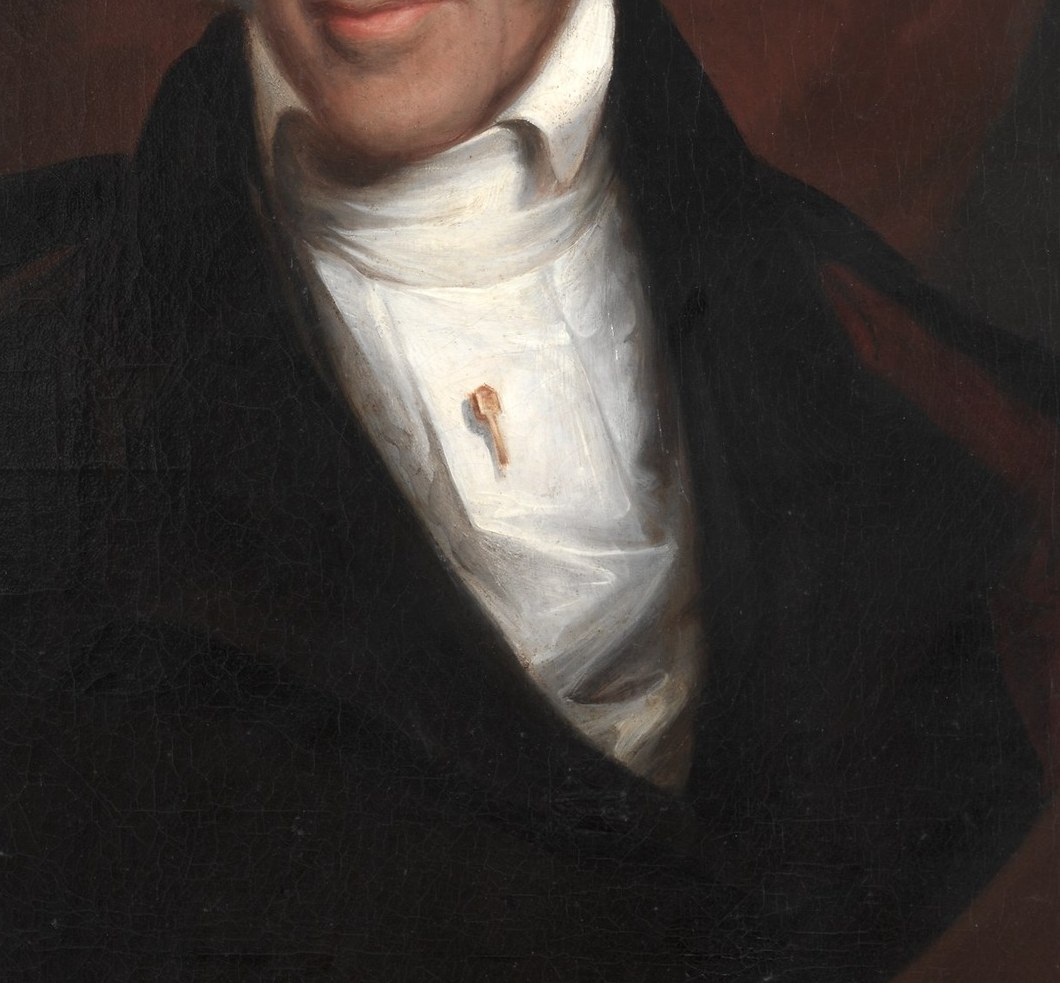
Notice the small gold pin on Hurlbut’s cravat and the unexpected flash of red lining peeking from his jacket. These aren't just decorative; they are likely indicators of his personal affiliations or social standing.
Neagle, a Philadelphia portraitist, often captured the fashionable elite of his time. While this painting has a restrained folk-art aesthetic, these deliberate choices in attire show the quiet ways meaning was embedded in 19th-century American portraiture.
What other hidden details do you think convey status in historical portraits?
Details
Transcript
Meet Martin Luther Hurlbut, painted in 1840. This painter was known for fashionable portraits. But Hurlbut’s portrait seems straightforward, even modest. Look closer, though, at a small detail on his cravat. This tiny gold pin might indicate his personal affiliation or rank. And a flash of red peeks from his jacket, a hint of status. These subtle choices suggest a layered meaning.