Flowers of the Field by Francis Luis Mora
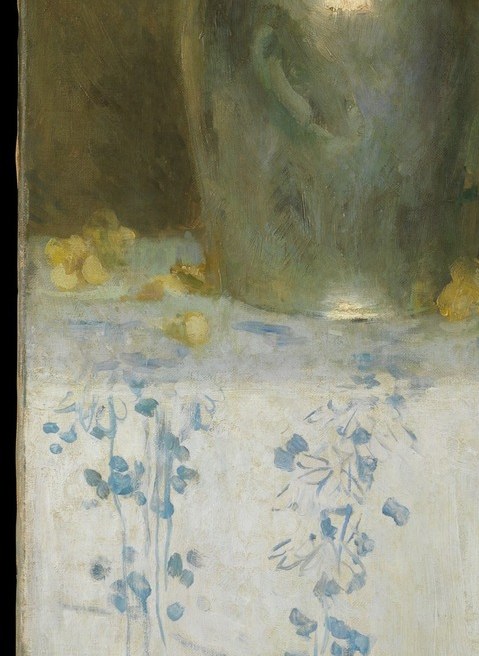
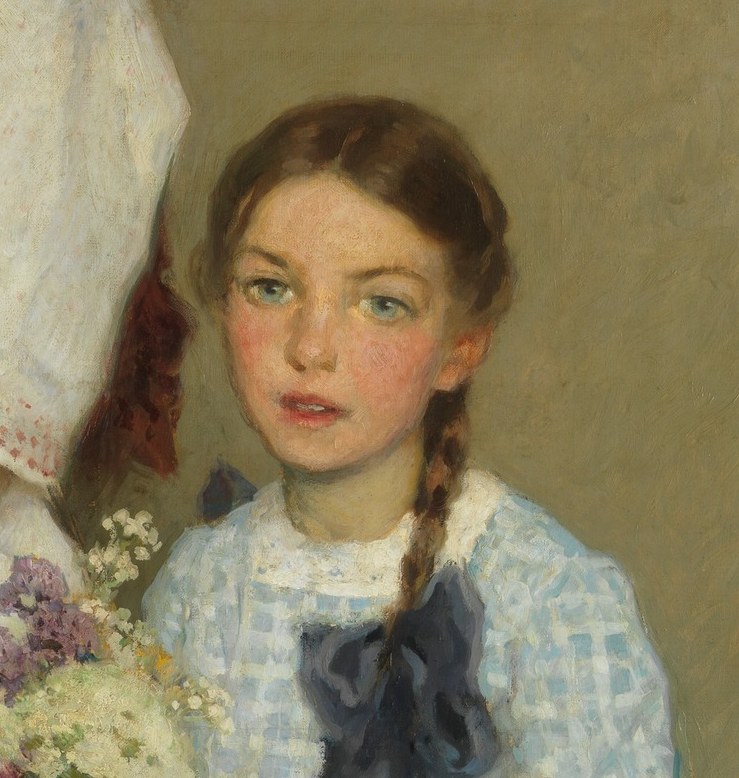
Francis Luis Mora's 'Flowers of the Field' (1913) caused a small uproar when it debuted in New York. Critics objected not to the two girls or the wildflowers, but to the visible bare canvas on the table's edge, a passage Mora deliberately left unresolved.
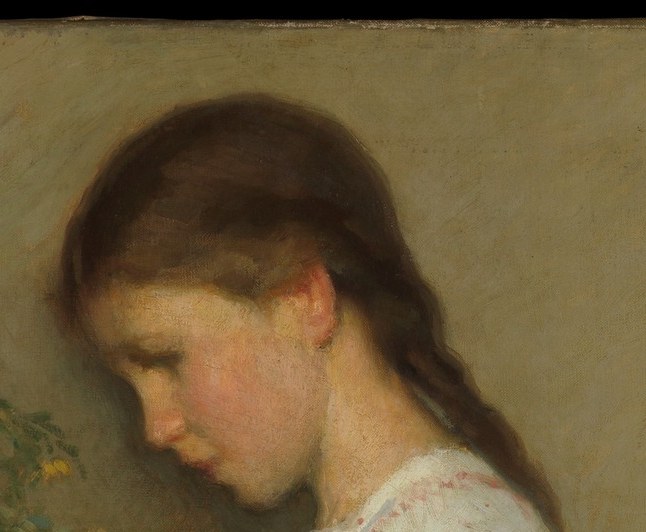
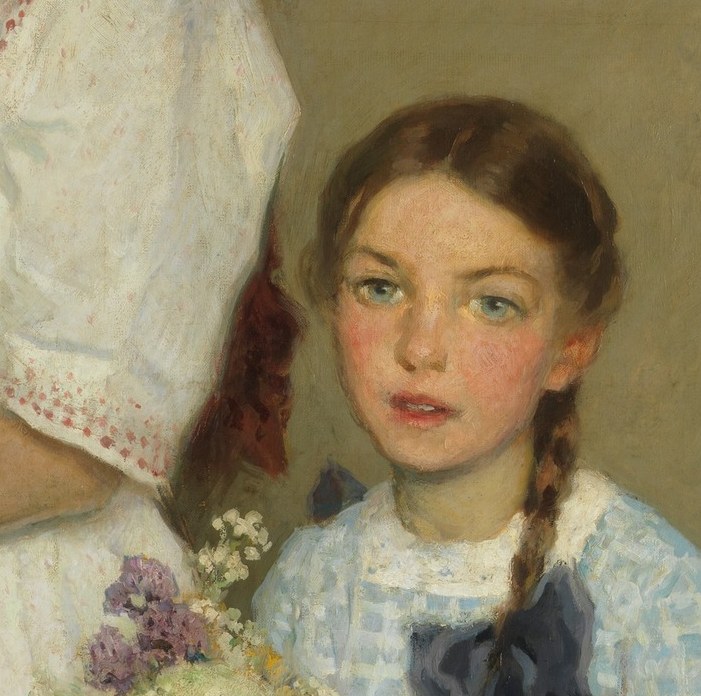
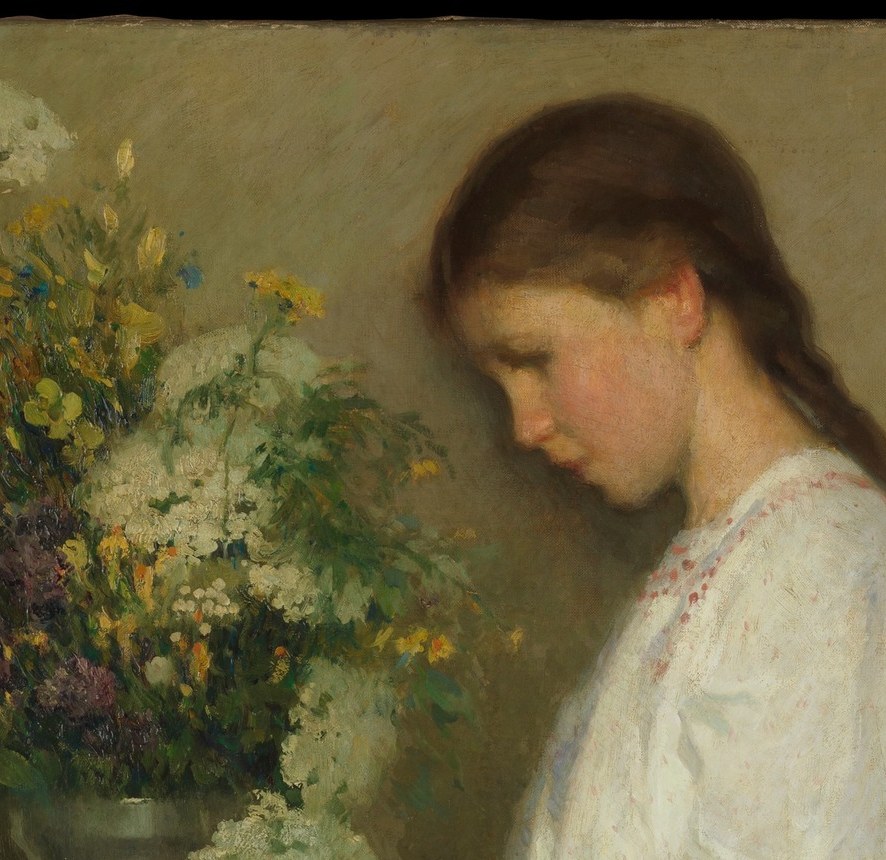
What to see: The painting divides its attention between the standing girl absorbed in arranging stems, the seated girl who meets your eye, and the table's lower-left corner, where loose, gestural brushstrokes dissolve into raw linen. That unfinished patch was the scandal.
Mora was a Uruguayan-born American painter and a popular instructor. By 1913 he was established enough to take a risk, and he did, leaning hard into the impressionist freedom of leaving a painting open. One reviewer called it a threat to painting itself. Time sided with Mora.
The Metropolitan Museum of Art now holds the work. A century later, the 'unfinished' corner reads as confidence, not neglect. Do you think a painter today would face the same reaction for letting a canvas breathe?
Details
Transcript
1913. A New York gallery hung a new painting. Two girls, a vase of field flowers, a quiet afternoon. But critics called it an insult to fine art. Look at the table's edge. Mora left it raw. Bare canvas showing through. They said it was unfinished. It was. He refused to close it. One critic warned: 'The end of painting as we know it.' She looks right at them. Completely still.