Peonies by Wilton Lockwood
Wilton Lockwood painted Peonies around 1910, a moment when many of his contemporaries were chasing abstraction and the avant-garde. He went the other way. This still life, now in the Metropolitan Museum of Art's American Wing, is a quiet, stubborn commitment to looking closely at a single subject.
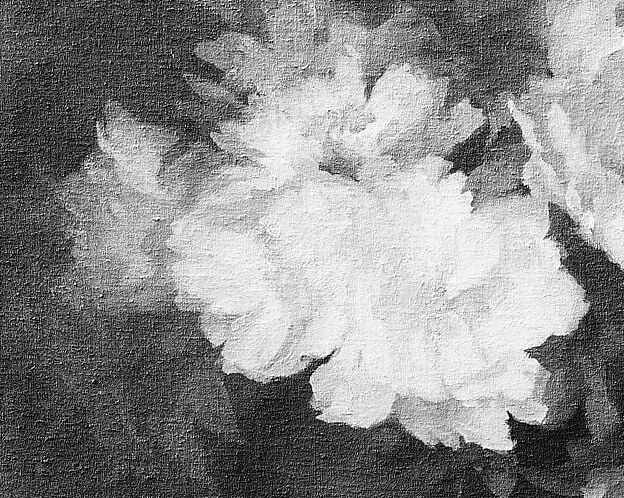
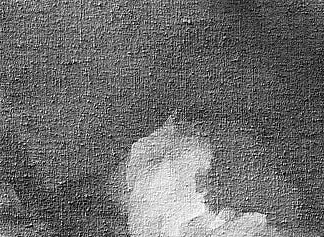
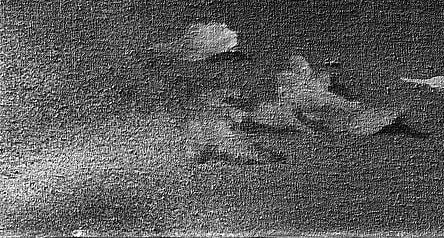
The painting tells a life cycle from bottom to top. A tight bud sits at the highest point, while fallen petals are scattered on the table below. Between them, the main bloom is in its fullest, most luminous state. Lockwood doesn't hide the process: you can see exactly where the stems enter the vase, and the browning edges on some petals make the passing of time visible.
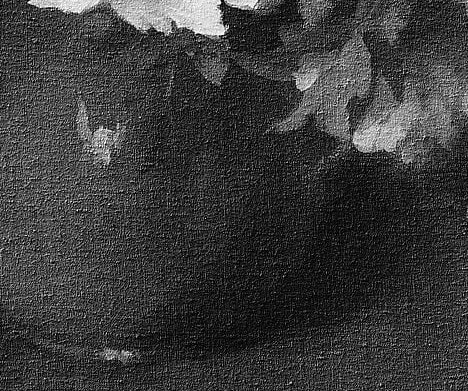
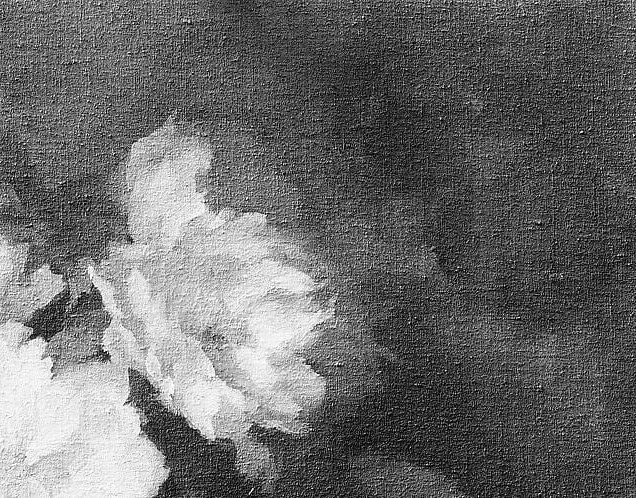
The central white peony is the trick in full view. Its petals were built with soft, layered brushstrokes that never stop being paint, yet somehow read as three-dimensional form. Lockwood surrounded the flower with a dark, atmospheric background that does nothing but push light toward the bloom, making it seem to glow from within. The small highlight on the dark vase's shoulder is another masterstroke: a single accent that tells you the material is porcelain, not matte ceramic.
Wilton Lockwood was primarily a portrait painter and died just a few years after completing this work, in 1914. This painting shows an artist at full command of his technique, using a flower to make a case for realism at the very moment realism was going out of fashion.
Details
Transcript
In 1910, abstraction was the coming storm. This painter chose a flower instead. A tight bud sits at the very top. And fallen petals lie on the table below. He painted the whole life cycle, from bud to decay, in a single vase. Now look at the central bloom. Look closely at how those petals were made. Soft, layered strokes. Flat paint that reads as luminous, living form.