Portrait of Engelbrecht II, Count of Nassau by Master of Portraits of Princes
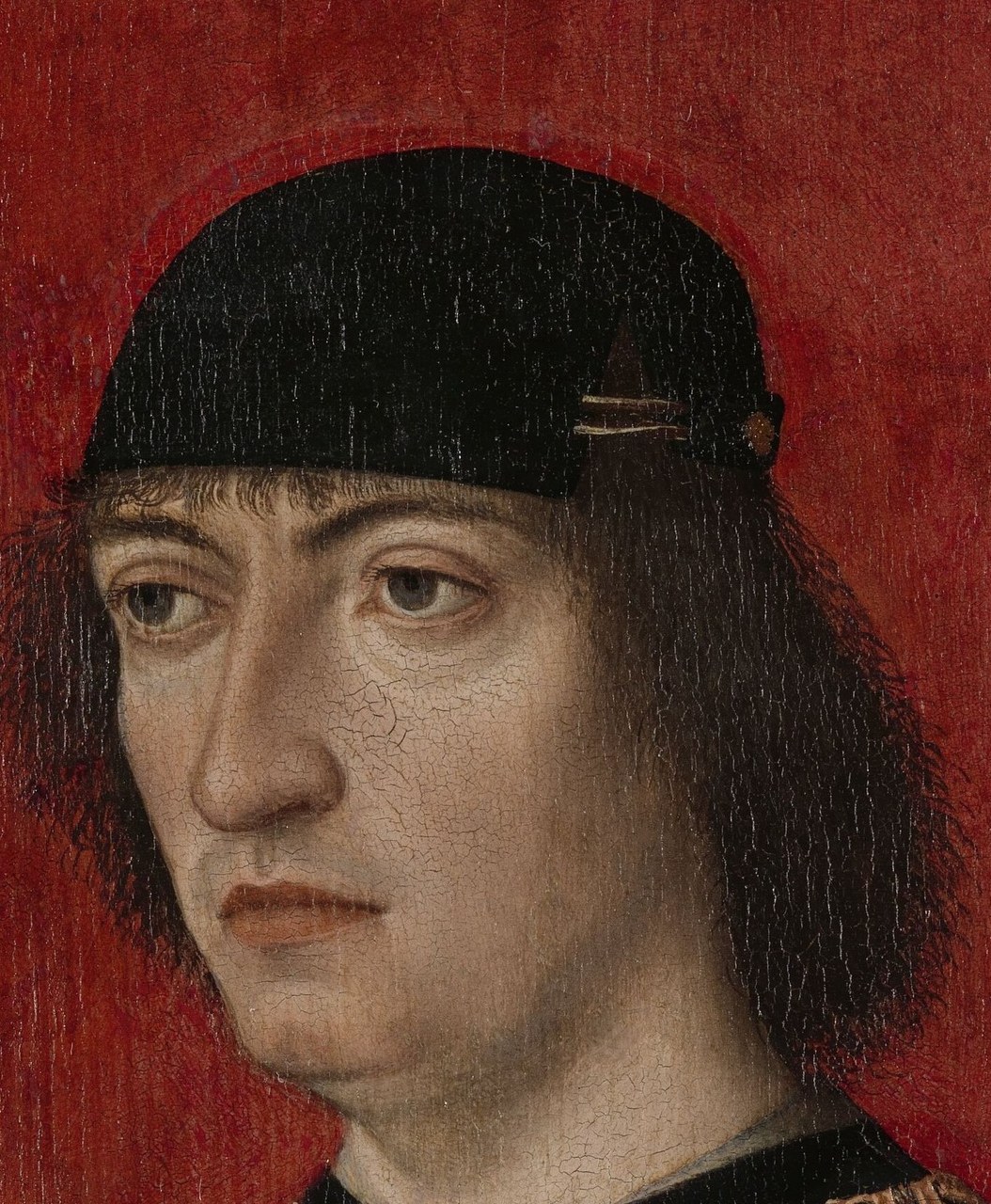
This portrait of Engelbert II, Count of Nassau, created around 1493, offers a direct glimpse into the life and status of a powerful late 15th-century noble. Attributed to the anonymous Master of Portraits of Princes, it is now held at the Rijksmuseum.
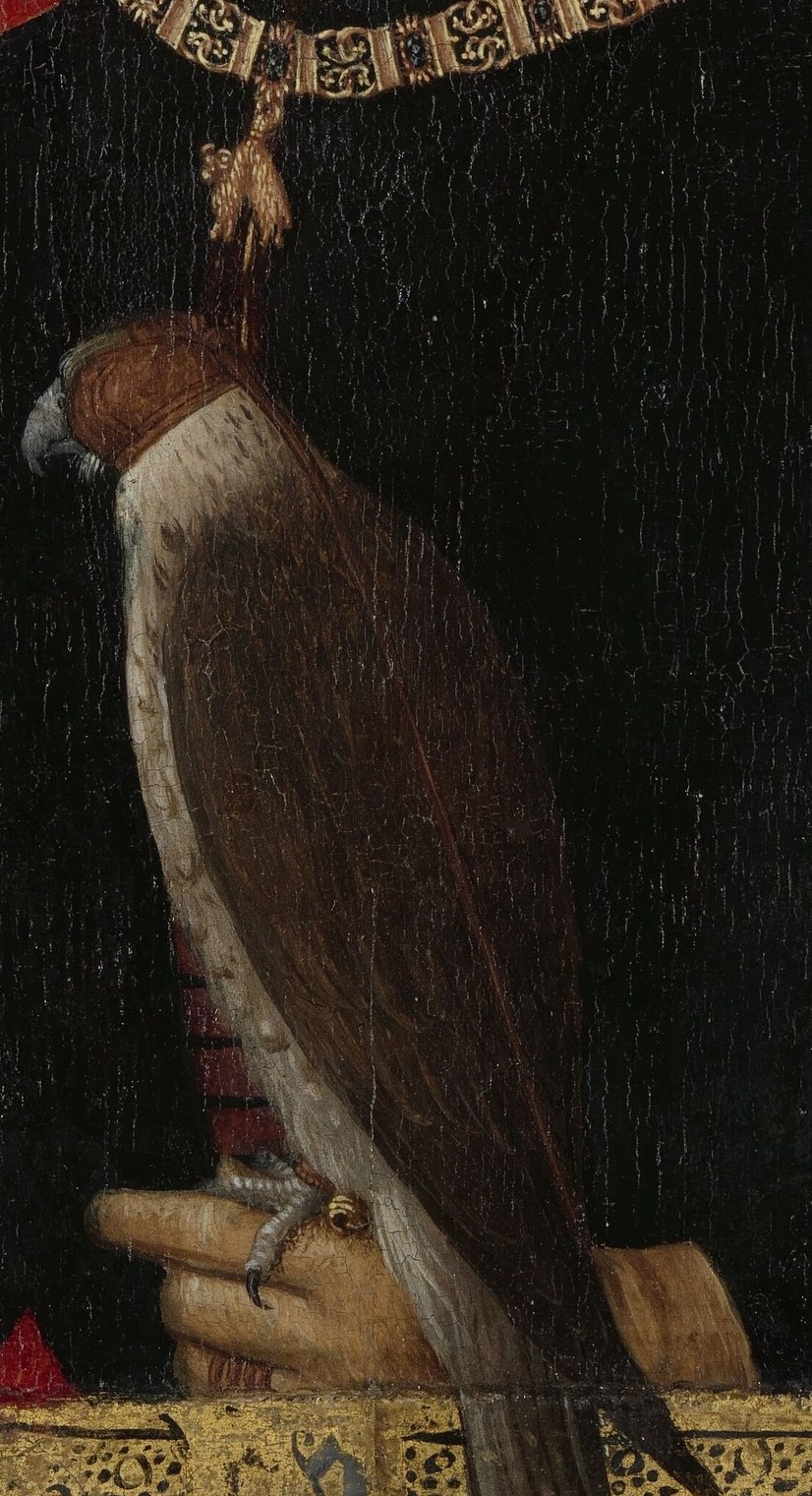
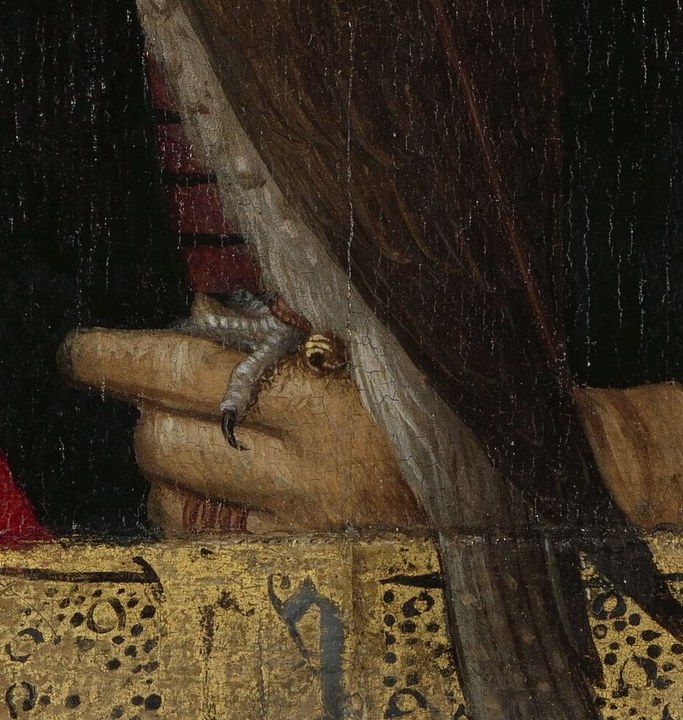
Observe his jeweled collar, a clear indicator of his substantial wealth and high social standing. The falcon resting on his gloved hand is not just an animal, but a potent symbol: falconry was an exclusive sport of the aristocracy, reinforcing his noble authority and martial virtues.
Such portraits served not only as personal commemorations but also as political propaganda, projecting an image of dignity, culture, and power aligned with the ideals of rulership during the Northern Renaissance. The painting employs oil on panel, with the artist using thick, textured brushstrokes to convey the richness of his black velvet attire.
What details in the portrait most clearly communicate his status to you?
Details

Transcript
This man was Engelbert II, Count of Nassau. He was a powerful noble in the late 15th century. His jeweled collar speaks to his immense wealth. The falcon on his hand shows his noble authority. Falconry was a sport for aristocrats, signifying status. His portrait was a form of political propaganda.