The Temptations of Saint Anthony the Abbot by David Teniers the Younger
David Teniers the Younger's 1601 oil painting, "The Temptations of Saint Anthony the Abbot," is a striking example of chiaroscuro, a technique that uses strong contrasts between light and dark.
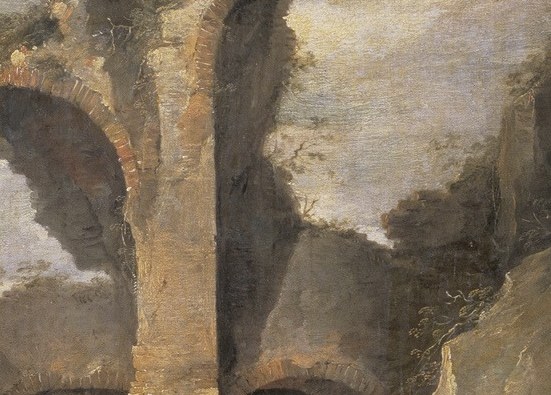
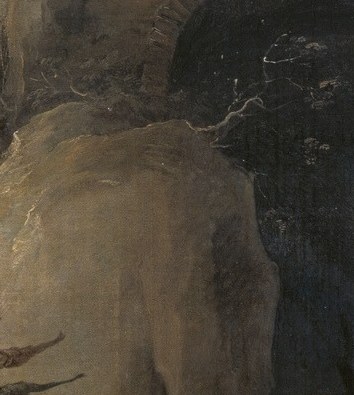
Look closely at how the light carves through the gloom, illuminating the saint's struggle against grotesque demons and the decay of the ruined archway. The artist masterfully uses this contrast to create a dramatic and intense atmosphere, drawing your eye to the emotional core of the scene.
Teniers, a prolific Flemish Baroque painter, was known for his versatility and skill in various genres, including religious and genre paintings. This work reflects the 17th-century interest in combining religious narratives with naturalistic detail, a hallmark of the period's artistic discourse.
The painting, held at the Museo del Prado, offers a glimpse into the spiritual and artistic concerns of its time. What do you notice first in this play of light and shadow?
Details
Transcript
This painter was a master of light and shadow. He captures the struggle of Saint Anthony. The ruined archway shows time's decay. See how the light shaft cuts through the dark. This dramatic effect is called chiaroscuro. It was a popular technique in the 1600s.