Head of Saint Matthew by Dutch 17th Century
Head of Saint Matthew by an unknown Dutch painter from around 1660 is a painting that hides in plain sight. It hangs in a museum as a religious work, but it does almost nothing a religious painting is supposed to do. No gold, no angel dictating the gospel, no divine light breaking through clouds. Just a tired man with a good beard, wearing a beret, looking back at you.
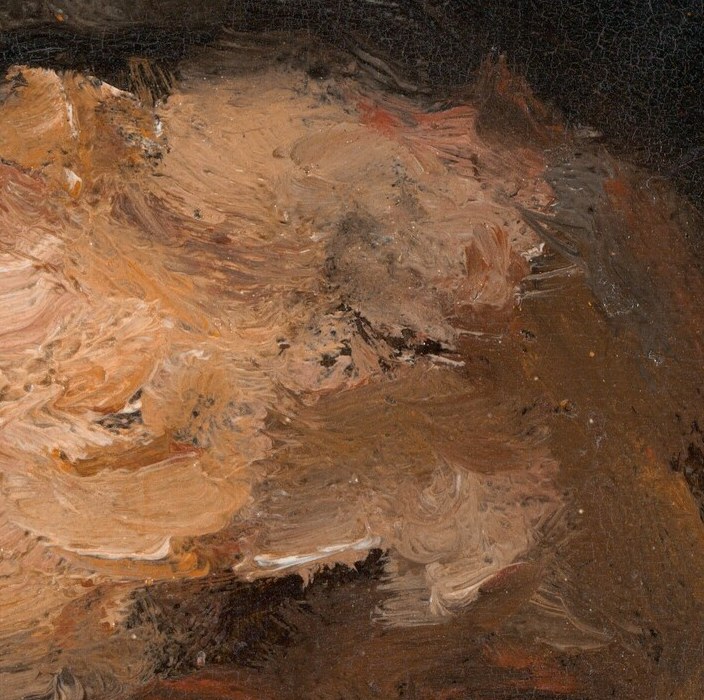
Everything the painting has to say lives in the face, and specifically in one square centimeter of the left eye. Find the white catchlight, a single dot of impasto paint sitting on the iris. The entire illusion of life is staked on that dot. The Dutch knew this trick cold: Rembrandt, Hals, and the painters around them understood that a face without a catchlight is a mask, no matter how perfectly you render every wrinkle. Put that one fleck of white in the right place, and the face breathes.
The painting belongs to a moment in the Dutch Golden Age when religious art had to reinvent itself. The Calvinist church didn't want altarpieces, so painters turned saints into portraits, Biblical figures into neighbors. Matthew becomes a bourgeois citizen, serious and contained, the kind of person you'd see at a Delft market. The artist is unknown, which is fitting, because the painting itself argues that anonymity and close attention can produce something as powerful as a signed masterpiece.
Next time you're in front of a painted face, find the catchlight. It's almost never bigger than a pinhead. And it's always doing the heaviest lifting in the room.
Details
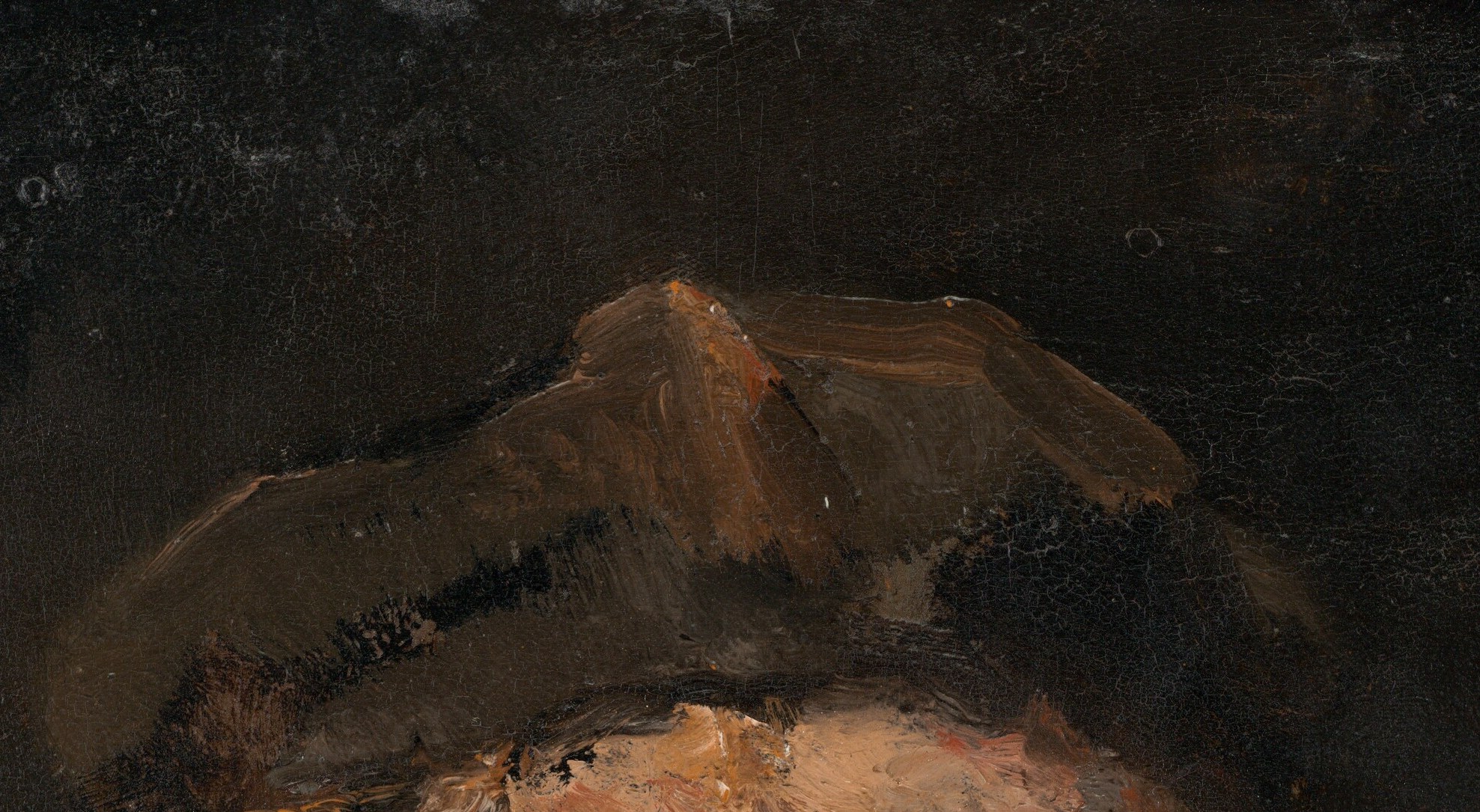
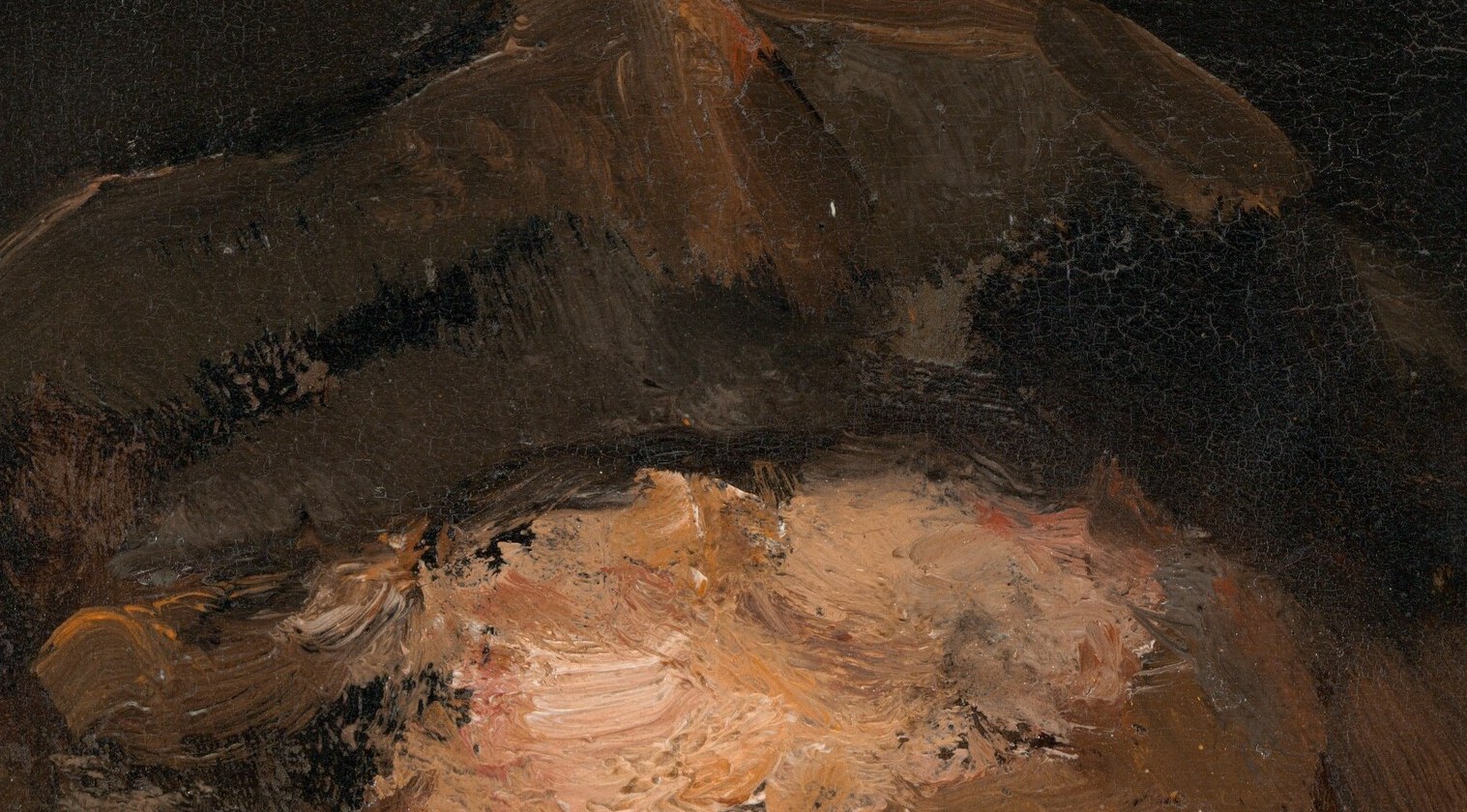
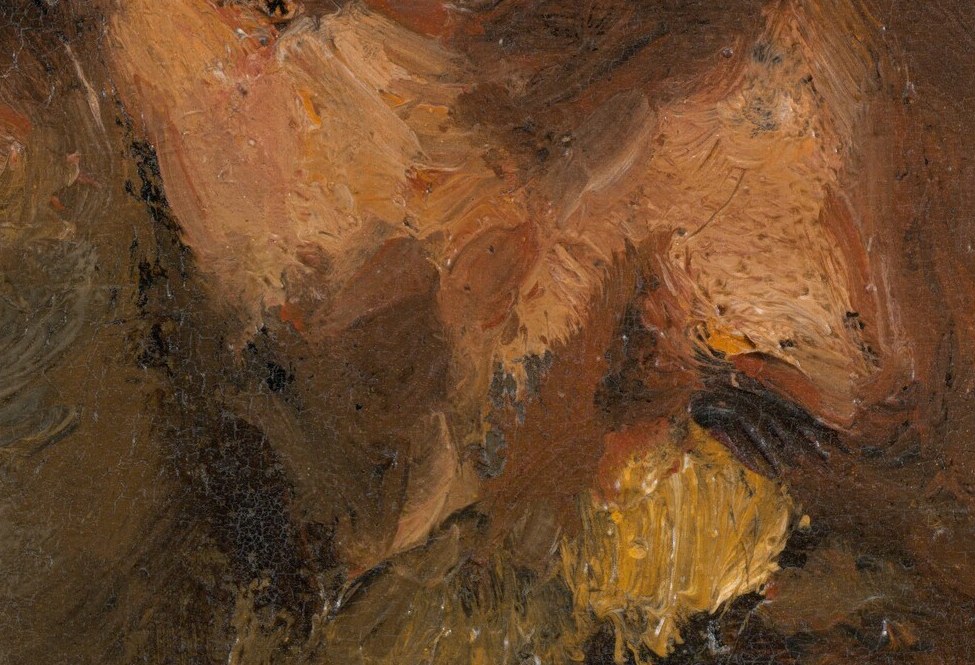
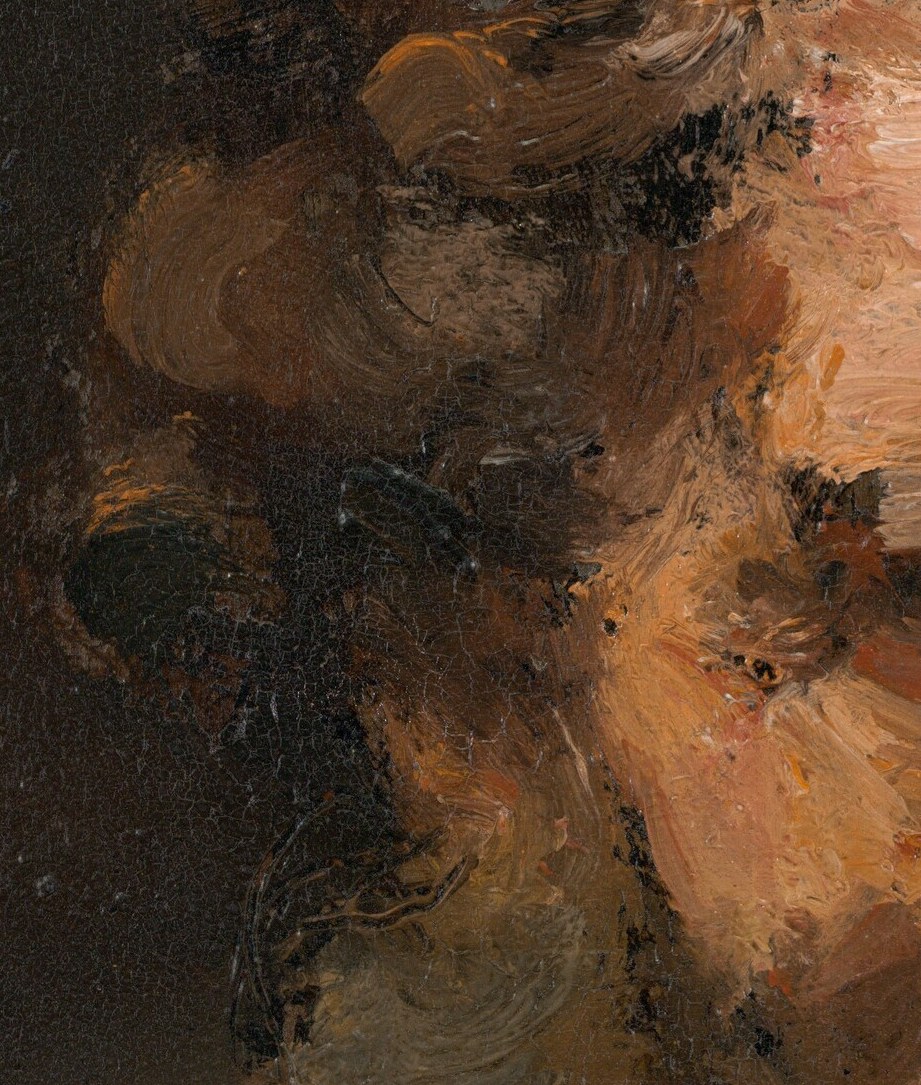
Transcript
A man emerges from absolute darkness. No halo, no angel, no gospel book. Just an aging merchant in a plain wool cap. The Dutch painters didn't want a saint you'd kneel before. They wanted a man you might sit across from. Now look at his left eye. One tiny white dot. A single impasto flick of the brush. That dot is the whole painting.