Self Portrait by Rembrandt
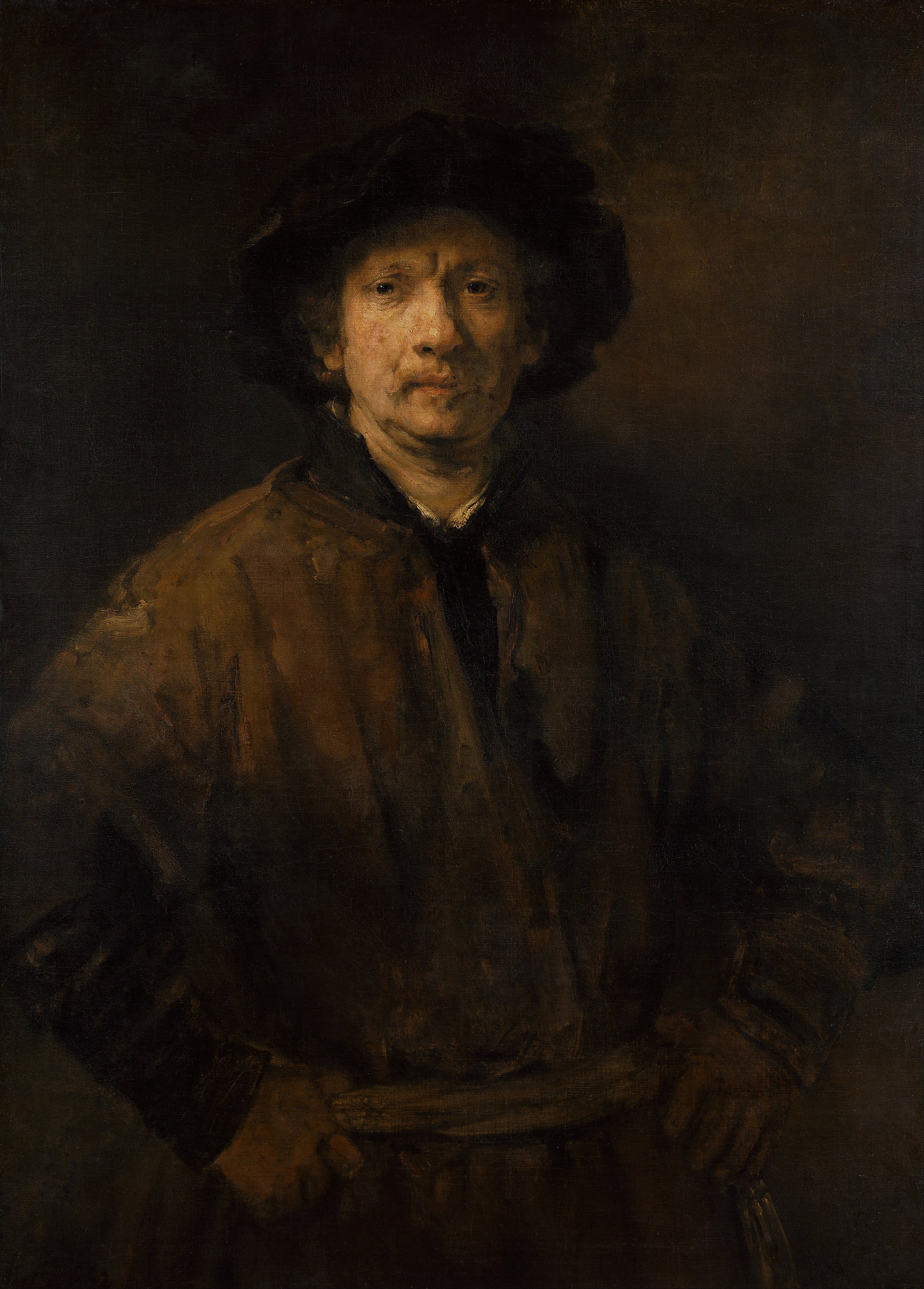
Rembrandt painted this 'Self Portrait' in 1652, marking his return to self-portraiture after a seven-year hiatus. It is one of over 40 such works by the Dutch master, and can be seen today at the Kunsthistorisches Museum in Vienna.
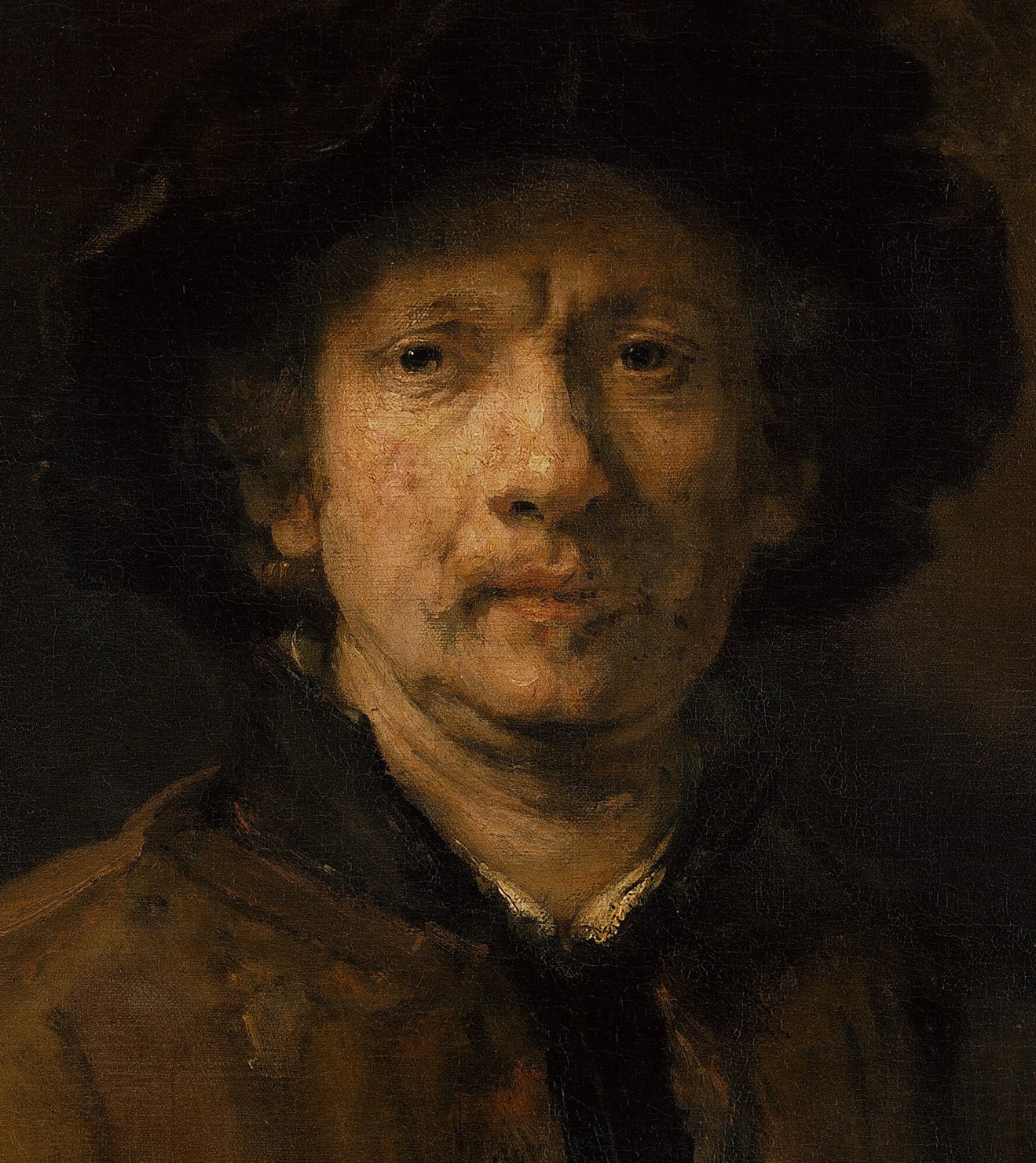
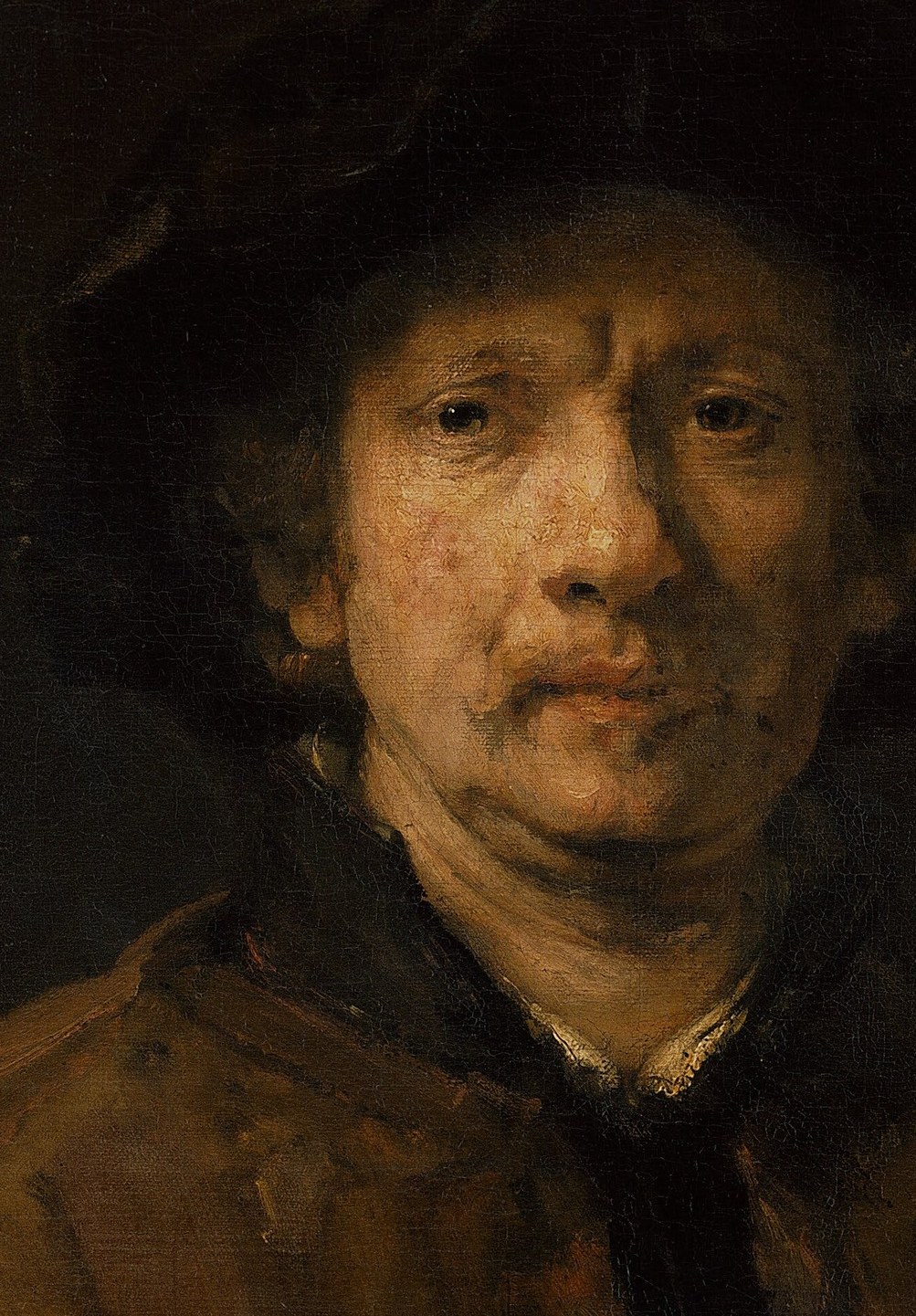
Observe his direct gaze and confident posture, with hands on hips, a departure from the elaborate costumes of his earlier self-portraits. Despite the modest attire and the sober tone, there's an undeniable gravitas in his expression, as if confronting life's challenges head-on.
This painting was created in the very year Rembrandt's financial difficulties began. Art historian Christopher White described it as “one of the most magisterial and sombre of these (late) pictures,” reflecting a period of introspection and hardship in the artist's life.
It’s a powerful testament to an artist’s resilience, capturing a moment of both vulnerability and unwavering self-possession.
Details

Transcript
This man painted himself over 40 times. But he hadn't painted his own face in seven years. His finances were starting to unravel in 1652. Yet he faces us with a direct, confident stare. His hands are on his hips, an assured pose. One art historian called it 'magisterial and sombre'.