Madonna and Child by Botticelli, Sandro
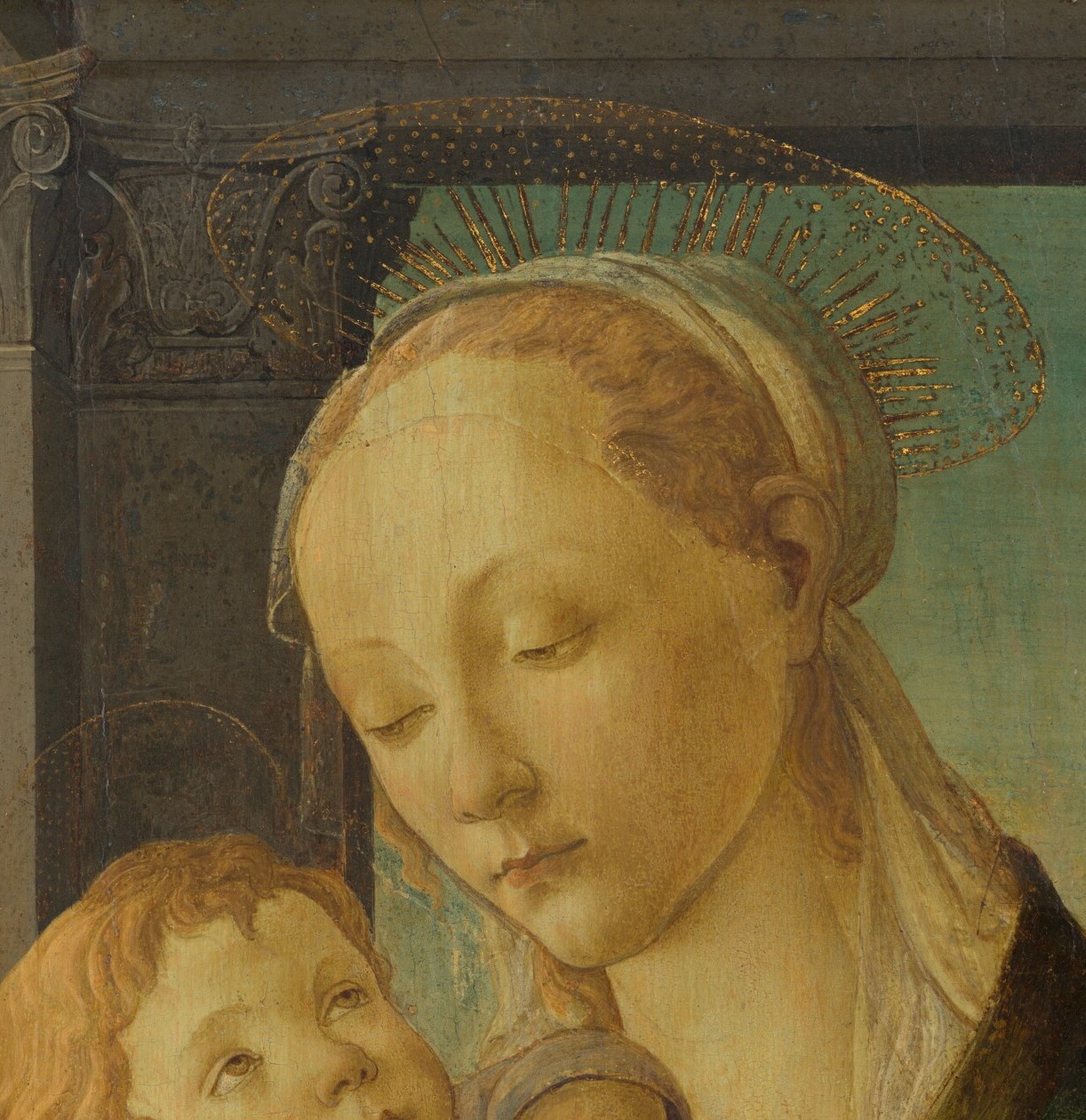
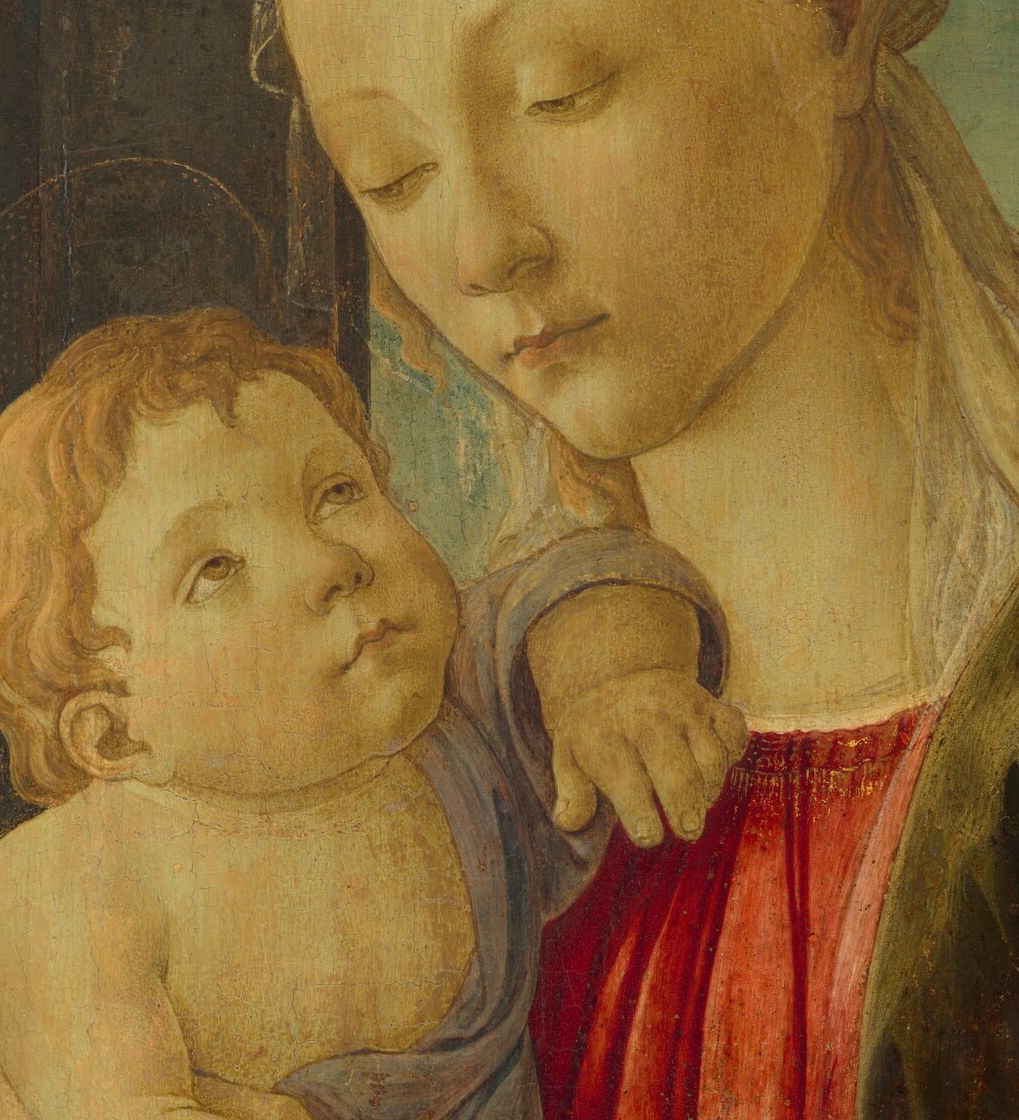
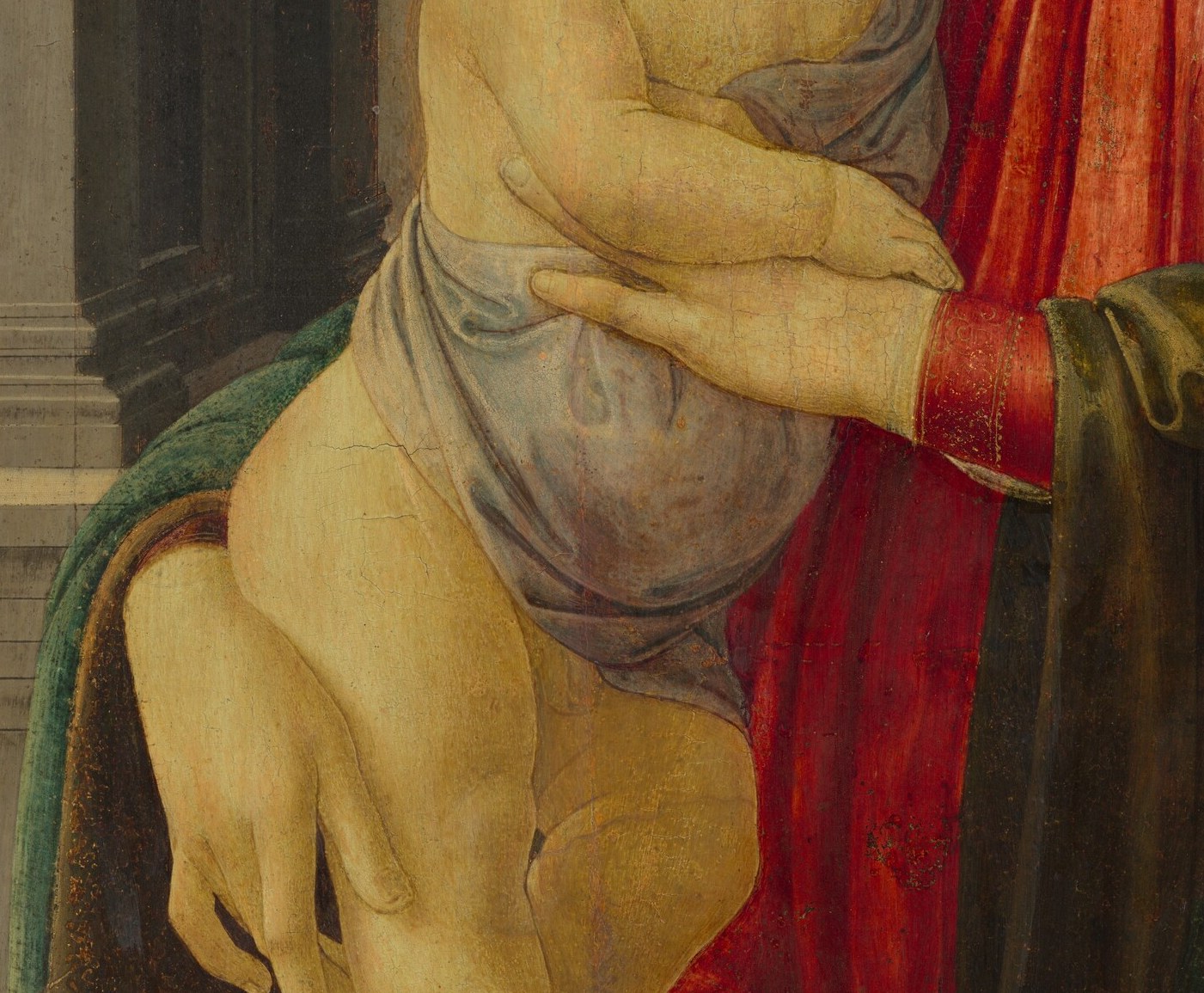
Sandro Botticelli's early 'Madonna and Child' (c. 1470) does something quietly radical with a format most of his contemporaries kept strictly otherworldly. Where earlier Madonnas float in gold, this one has actual geography.
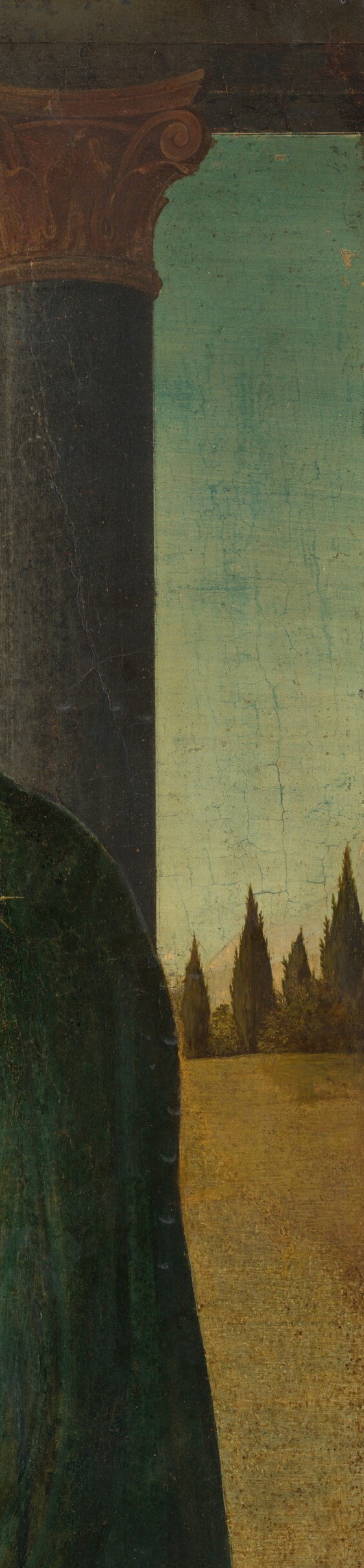
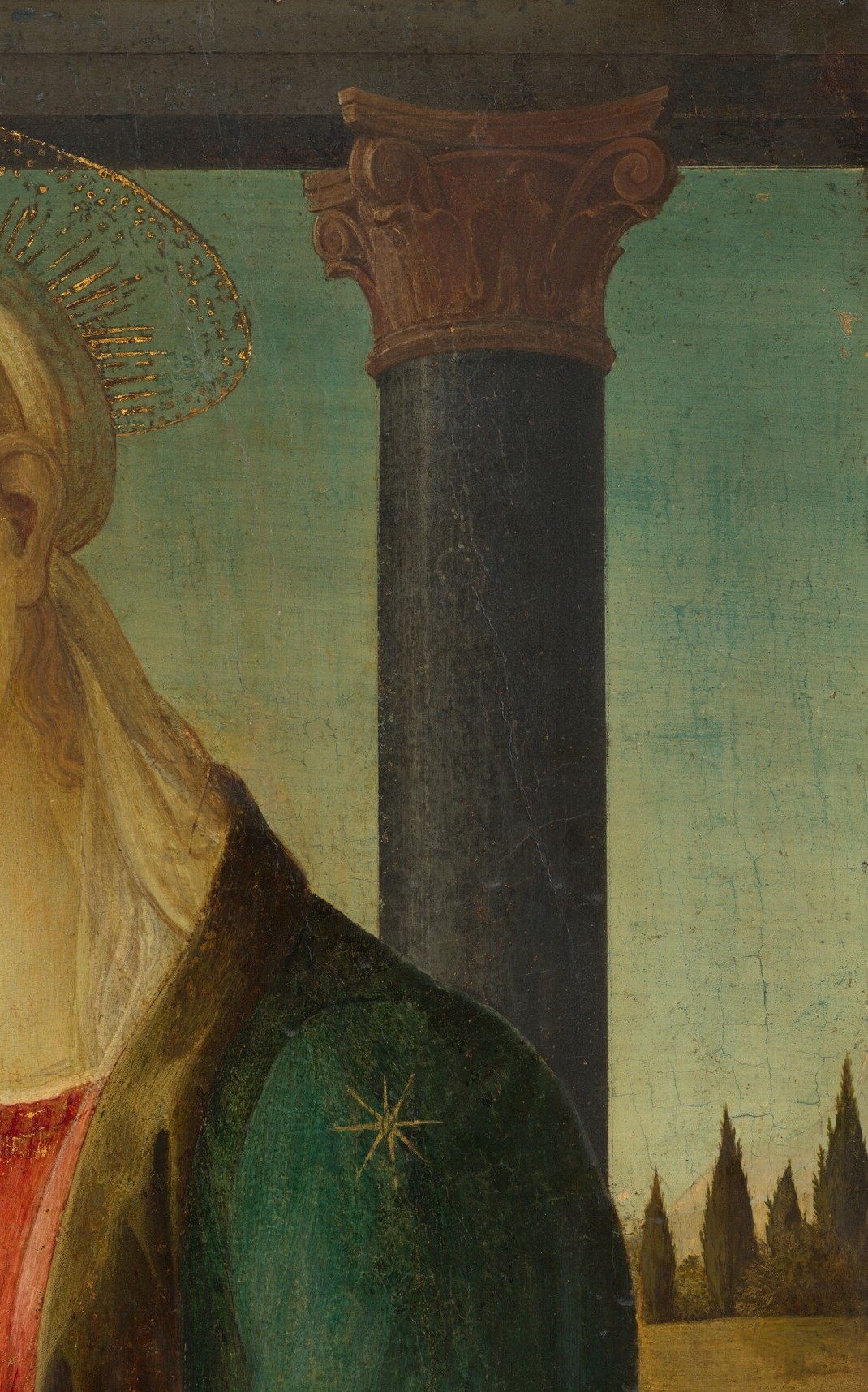
The painting looks conventional at first: Mary in her blue mantle, the Christ Child cradled securely, and a gilded background that signals eternity. But look through the opening on the right. A pale blue sky sits above dark cypresses and gentle hills. That is not a generic sacred space. That is Tuscany.
Botticelli was still a young artist in the 1470s, absorbing the lessons of Fra Filippo Lippi, whose workshop he likely trained in. This is years before 'The Birth of Venus' and 'Primavera' would make him famous for mythological spectacle. Here, in a small devotional panel, he experiments with a quieter tension: sacred figures rendered with earthly tenderness, and eternity given a local address.
The painting lives at the Isabella Stewart Gardner Museum in Boston, where the real light of the gallery windows can sometimes echo the painted light breaking through those columns. Next time you see a gold-ground Madonna, check the corners. Sometimes the real world sneaks in.
Details
Transcript
At first glance, this looks like a traditional icon. A young mother holds her child in a sacred space. The gold background denies any specific place or time. But look past the right column. A real Tuscan landscape opens up behind her. Botticelli gave an eternal icon a specific horizon.