Portrait of a man by Jan van Ravesteyn
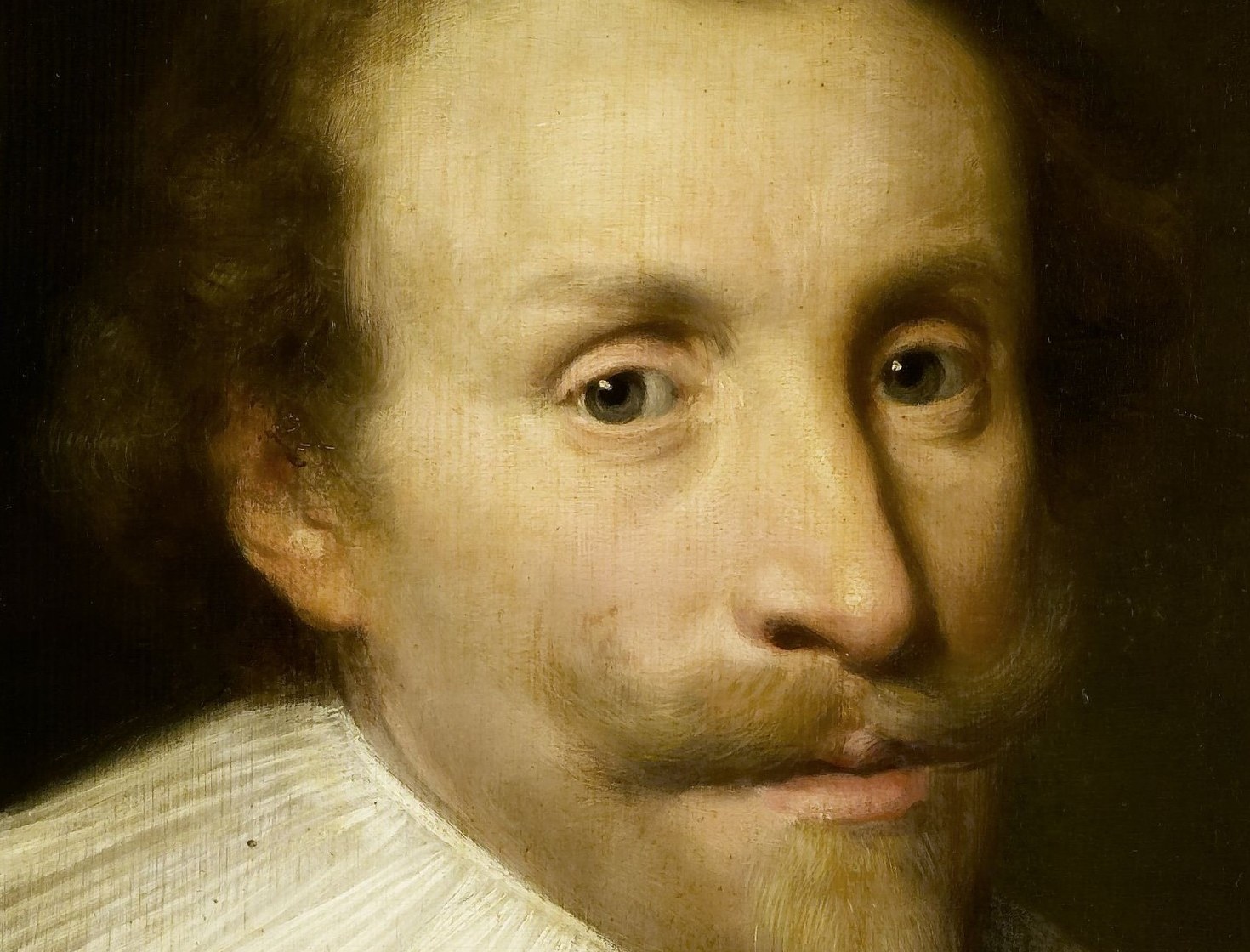
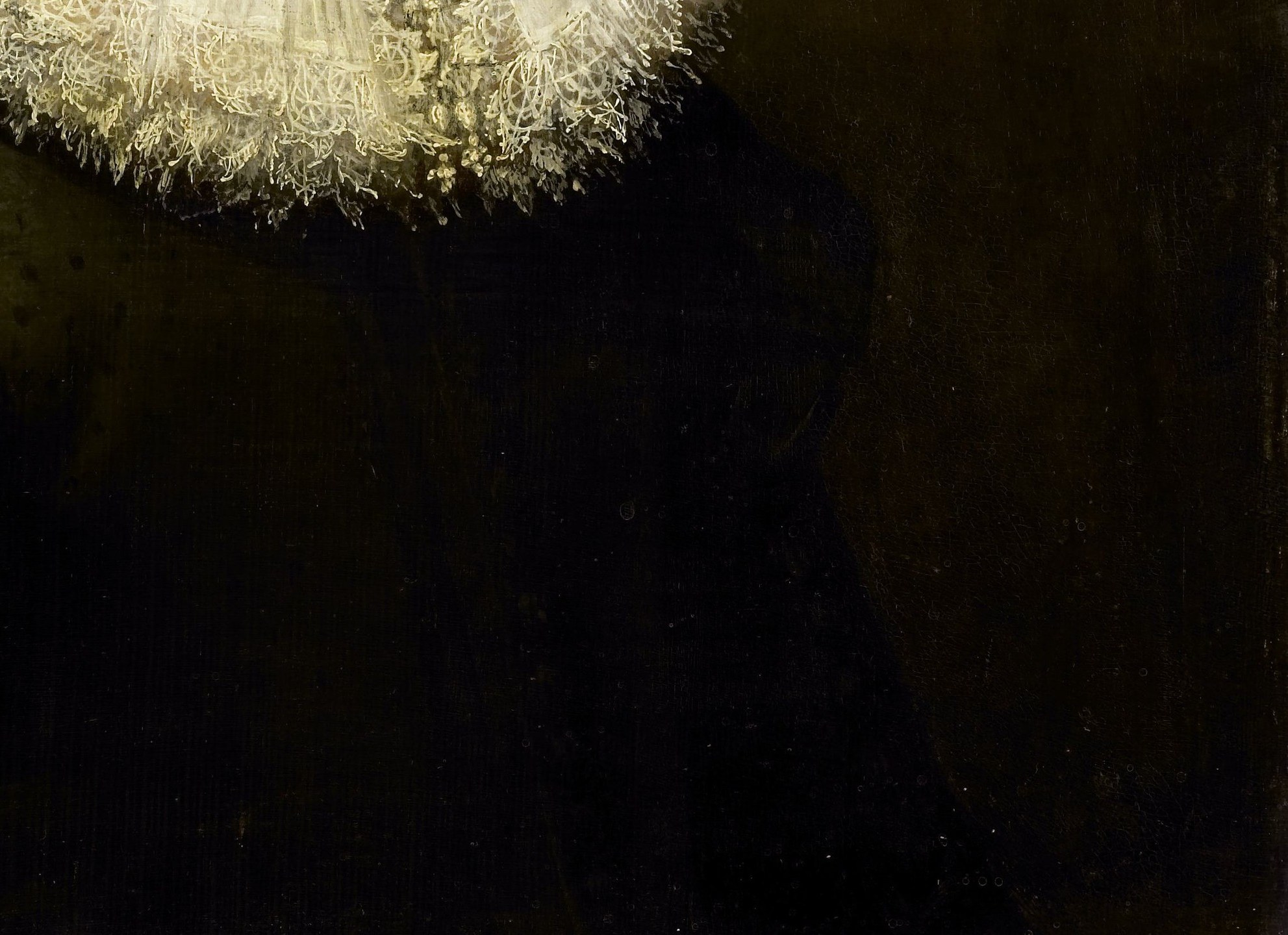
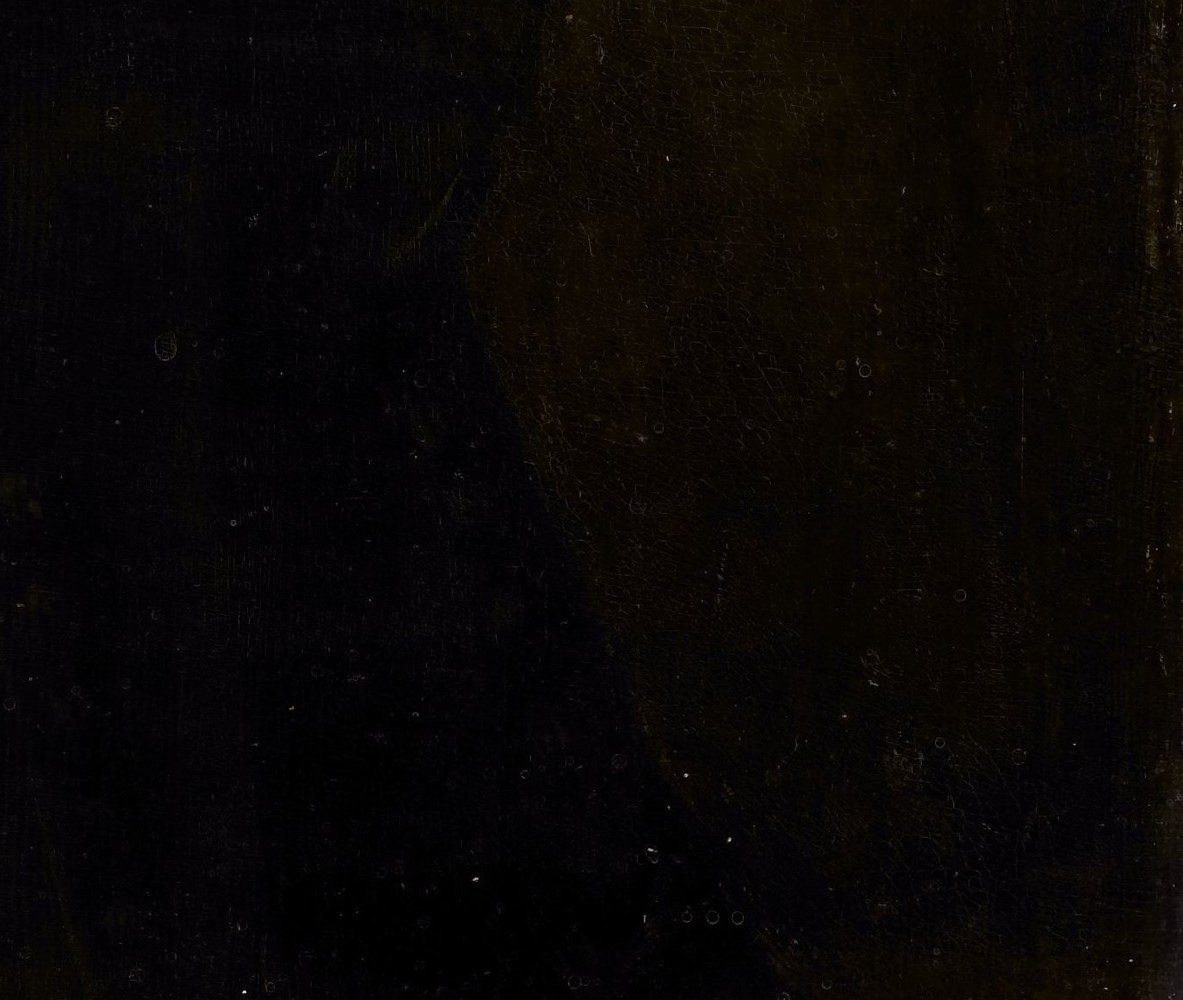
In Jan van Ravesteyn's "Portrait of a Man" from around 1630, a seemingly simple dark coat holds a hidden detail that speaks volumes about the sitter's status during the Dutch Golden Age.
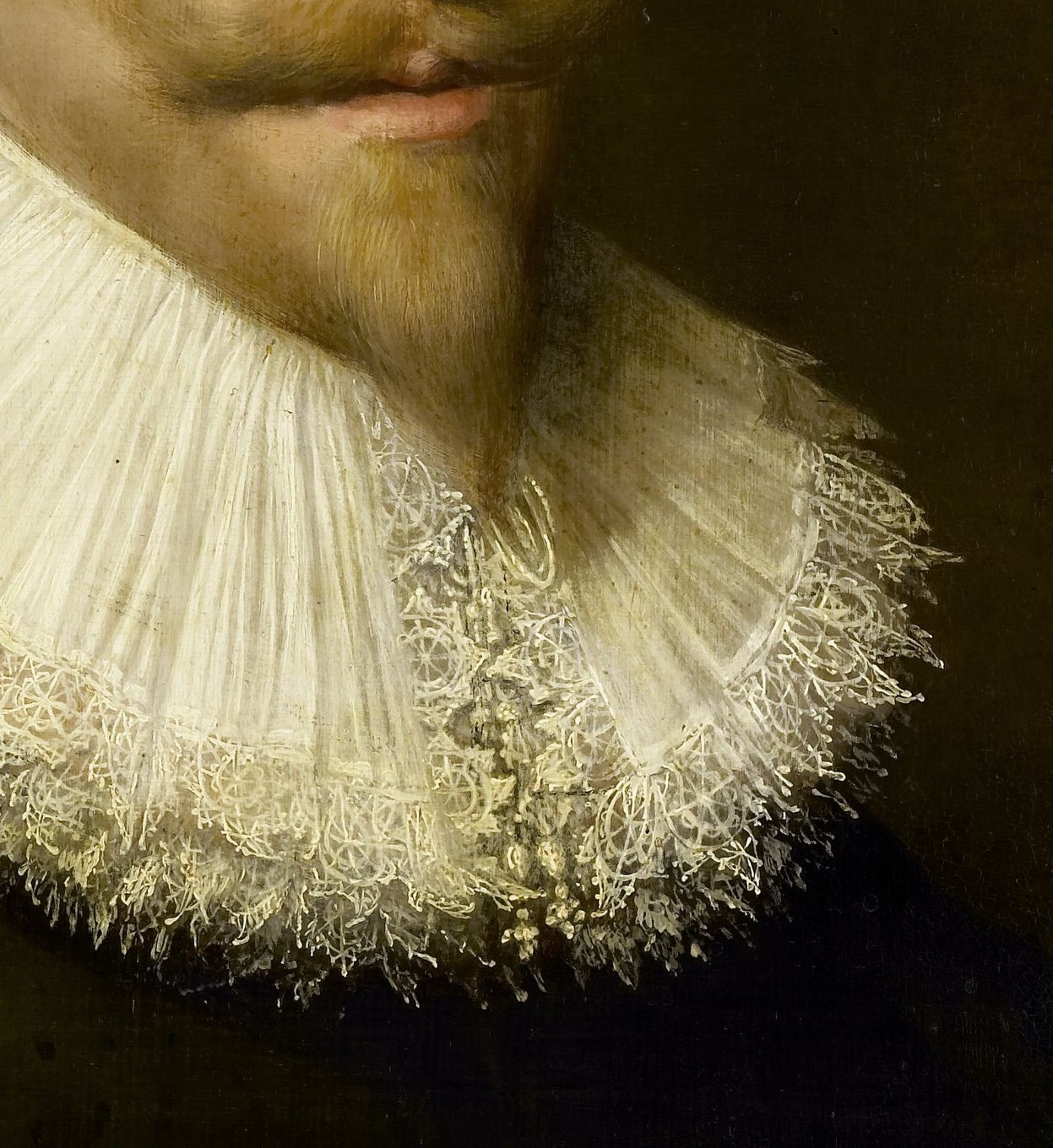
Most viewers notice the intricate white ruff, a clear indicator of wealth and fashion of the time. However, a closer look at his formal dark coat reveals a subtle, almost camouflaged pattern woven into the fabric. This understated opulence suggests a luxurious material, quietly asserting the sitter's importance without overt display.
Van Ravesteyn, a successful portrait painter for the Dutch court in The Hague, was known for his realistic and dignified portraits. This painting, now in the Rijksmuseum, perfectly exemplifies the period's emphasis on individual presence and refined detail. It’s a testament to the artist's skill in rendering texture and volume, even in the most discreet elements.
Next time you see a seemingly simple portrait, what hidden details might you discover?
Details
Transcript
This portrait from 1630 shows a Dutch Golden Age gentleman. The painter, Van Ravesteyn, worked for the Dutch court. Look closely at his white ruff, a symbol of status. The fine lace edge shows meticulous detail and wealth. Now, observe his dark coat. It seems plain. But look closer, there is a subtle, rich pattern woven in.